
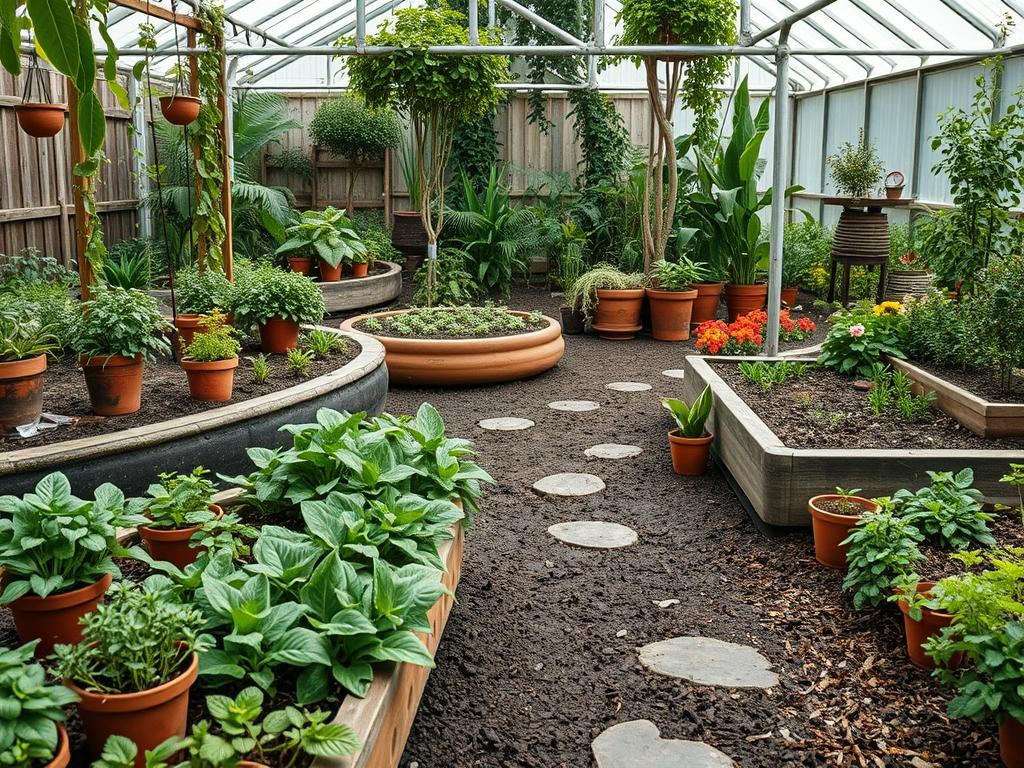
Designing a high end residential landscape requires a sophisticated balance between aesthetic elegance and uncompromising safety. When a client requests a designated play zone, the architect must look beyond the equipment itself to the foundation of the space. Selecting Kid-Safe Playground Surfaces is not merely a box to check for liability; it is an exercise in engineering the ground plane to manage impact attenuation, moisture runoff, and long term visual harmony. For most properties, the challenge lies in integrating these functional safety zones into a cohesive master plan that complements existing hardscaping and softscaping rather than appearing as a disconnected after-thought. Climate factors significantly influence these choices, as heat retention in the summer or freezing cycles in the winter can alter the performance and comfort of various materials. By approaching the playground as a specific microclimate within the larger site, a designer can ensure that the play area feels like a deliberate extension of the home architecture.
Landscape Design Principles
Successful playground integration relies on the same core principles used in formal garden design: symmetry, focal points, and sensible elevation layers. A well placed play area should serve as a secondary focal point, often framed by softscaping to soften the industrial lines of play equipment. We often utilize tiered elevation to separate the play zone from high traffic entertaining areas. This is frequently achieved through the installation of Low Retaining Walls or naturalized berms that provide a physical and visual boundary. By lowering the grade of the play area by 12 Inches or more, the bulk of the safety surfacing remains hidden from the main sightlines of the patio, maintaining the property curb appeal.
Symmetry plays a role in how paths lead to the playground. Curving Flagstone Walkways can create a journey through the garden, leading the eye toward the play area while keeping it slightly secluded. Visual balance is maintained by mirroring the textures found in the playground with those in the surrounding landscape. For instance, if using Engineered Wood Fiber, incorporating similar Bark Mulch in adjacent planting beds creates a seamless color palette. Irrigation planning is also vital here; one must ensure that Sprinkler Heads are positioned to avoid drenching the play surface, which can lead to premature degradation or mold growth in specific organic materials.
Plant and Material Selection
The following table summarizes the most effective materials and companion plants for creating a safe, durable, and attractive outdoor environment.
| Plant or Material Type | Sun Exposure | Soil Needs | Water Demand | Growth Speed | Maintenance Level |
| :— | :— | :— | :— | :— | :— |
| Engineered Wood Fiber | Full Sun/Shade | Well Drained | Low | N/A | Moderate |
| Rubber Mulch | Full Sun | N/A | None | N/A | Low |
| Artificial Turf | Full Sun | Compacted Base | None | N/A | Low |
| Boxwood Shrubs | Partial Sun | Loamy/Rich | Moderate | Slow | Medium |
| Lavender | Full Sun | Sandy/Dry | Low | Moderate | Low |
| Creeping Thyme | Full Sun | Well Drained | Low | Fast | Low |
| Dwarf Fountain Grass | Full Sun | Adaptable | Low | Fast | Low |
| Serviceberry Tree | Partial Sun | Moist/Acidic | Moderate | Medium | Medium |
Implementation Strategy
The process begins with precise site grading. To install Kid-Safe Playground Surfaces correctly, the area must be excavated to a depth of at least 12 Inches to account for both the drainage base and the impact material. We recommend a slight 2 Percent Slope on the subgrade to guide water toward a French Drain or a dedicated dry creek bed. Once the excavation is complete, a high quality Geotextile Fabric is laid down. This specialized fabric prevents the safety surfacing from mixing with the underlying soil while still allowing water to permeate through to the ground.
Edging is the next critical step. For a high end look, we avoid plastic landscape edging in favor of Pressure Treated Timber, Concrete Curbs, or Steel Edging. These materials provide a crisp line that contains the Mulch or Rubber Pellets and helps prevent migration into the lawn. After the border is set, the primary material is installed. For Engineered Wood Fiber, it is essential to install the material in layers, compacting each 4 Inch Lift with a Plate Compactor to ensure a stable surface that is accessible for strollers or wheelchairs. If using Pour-in-Place Rubber, a professional crew must ensure the atmospheric temperature is within the manufacturer’s threshold to prevent cracking during the curing process.
Common Landscaping Failures
The most frequent mistake in playground landscaping is inadequate drainage. When water sits beneath the surface, organic materials like Wood Fiber rot quickly, and synthetic materials like Rubber Tiles can become unglued or shifted by hydrostatic pressure. Soil compaction is another silent failure. Frequent foot traffic around the perimeter of the playground can compress the soil so tightly that it kills the root systems of nearby Specimen Trees. To avoid this, we design the “drop zone” to be wider than the equipment footprint, typically extending 6 Feet in all directions.
Improper spacing of plants is a common aesthetic and safety error. While it is tempting to plant dense Hedges for privacy around a playground, these can create blind spots where children cannot be easily supervised. Furthermore, using plants with thorns, such as certain Roses or Barberry, or those that drop slippery fruit, can introduce unnecessary hazards to the play environment. Overcrowding roots near the playground border also leads to heaving, where tree roots lift the edging and create a trip hazard. Always research the mature spread of a plant before placing it within 10 Feet of the play zone perimeter.
Seasonal Maintenance
Landscape management varies by the calendar. In the spring, the focus is on replenishment. Most loose-fill materials will settle over the winter, and a fresh 2 Inch Top-Off is usually required to maintain the certified fall height. This is also the time to inspect the Irrigation System for leaks that might be saturating the play area. In the summer month, heat is the primary concern. For synthetic surfaces like Rubber or Turf, a light misting with a Garden Hose can significantly lower surface temperatures during peak afternoon hours.
Autumn requires diligent debris removal. Fallen leaves and twigs must be cleared from the Kid-Safe Playground Surfaces to prevent them from breaking down and creating a slippery organic “sludge” on top of the safety material. Use a Leaf Blower on a low setting or a Stiff Bristle Broom to clear the area without displacing the mulch. During the winter, the priority shifts to drainage. Ensure that the Drainage Grates and exit points for the sub-surface pipes are clear of ice and snow. Avoiding the use of De-icing Salts near the playground is important, as these chemicals can degrade both the playground surfacing and the surrounding plant health.
Professional Landscaping FAQ
What is the best material for low maintenance safety?
Rubber Mulch is the leader for longevity. It does not decompose like organic options and requires infrequent top-offs. It provides excellent impact absorption and remains permeable, allowing water to pass through to the drainage system quickly without retaining excessive moisture.
How deep should the safety surfacing be?
For most residential equipment, a depth of 9 Inches to 12 Inches is the industry standard. This ensures adequate protection for fall heights up to 10 Feet. Always check local codes and manufacturer specifications for the specific equipment being installed.
Can I use regular wood chips from a local arborist?
No, standard wood chips contain varied sizes and sharp splinters. Engineered Wood Fiber is processed specifically to remove toxins and ensure the pieces knit together. This creates a springy, stable surface that meets ADA accessibility and safety standards.
How do I prevent weeds from growing in the playground?
The combination of a professional grade Geotextile Fabric and a thick layer of surfacing is the best defense. If weeds appear, they are usually growing in windblown sediment on top of the fabric. These can be easily pulled by hand.
Is artificial turf safe for playgrounds?
Yes, but it must be installed with a specialized Shock Pad underneath. Standard decorative turf does not provide enough impact attenuation. When paired with a 1 Inch or 2 Inch Foam Pad, it becomes a premium safety surface.