
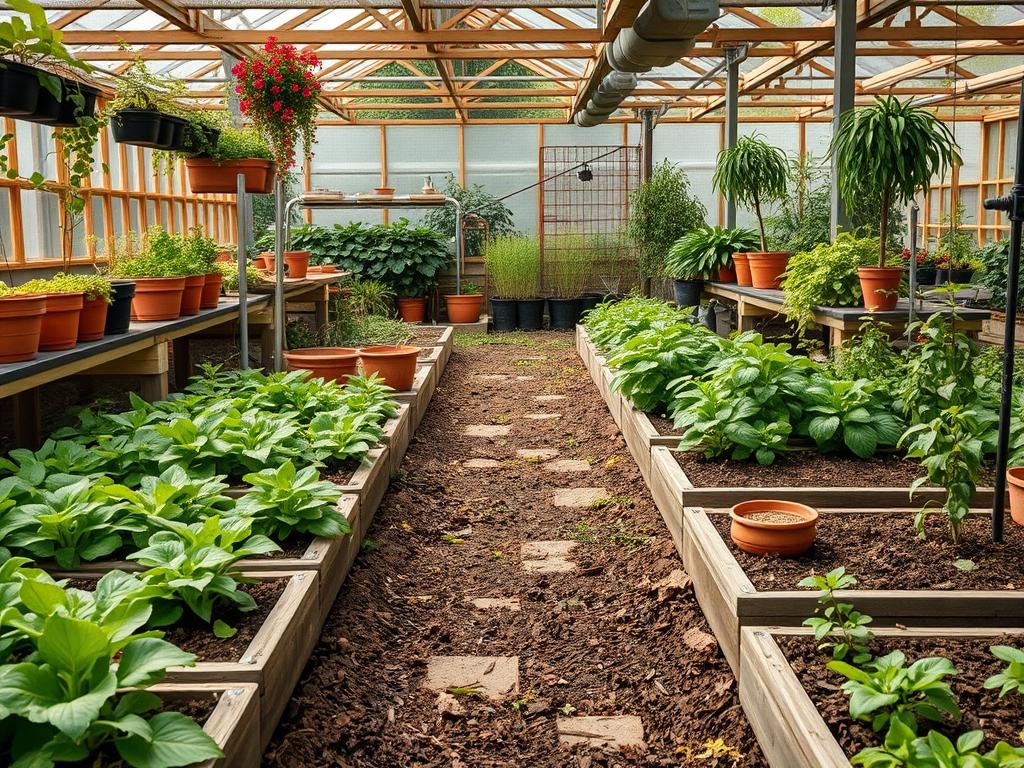
Creating a sense of seclusion within a confined urban or suburban lot requires more than just a perimeter fence. In professional landscape architecture, the challenge of small-yard privacy involves balancing density with airflow and light. A successful screen does not just block a neighbor’s window; it creates an immersive environment that enhances the property’s overall market value and usability. When selecting specific Backyard Visual Barrier Tips, a consultant must account for regional microclimates and the specific solar orientation of the site. A barrier that thrives in a humid coastal environment may fail in a high-altitude arid zone. Furthermore, the goal is to improve curb appeal while maintaining the site’s functionality. This involves careful consideration of how barriers affect long-term drainage patterns and the structural integrity of existing foundations.
Landscape Design Principles
Effective small-space design relies on the mastery of vertical layers. Because horizontal square footage is limited, the designer must use elevation to draw the eye upward. Creating tiered levels through retaining walls or raised planters allows for a varied planting palette that masks boundaries without making the space feel like a box. Symmetry can be used to create a formal, classic aesthetic, while asymmetrical arrangements often feel more organic and expansive in modern settings. A primary focal point, such as a high-quality water feature or a sculptural Japanese Maple (Acer palmatum), redirects the viewer’s attention away from the property edges and toward the center of the experience.
Visual balance is achieved when the weight of hardscaping and softscaping is distributed evenly across the sightlines. This includes the strategic placement of walkways using materials like flagstone or decomposed granite. These paths should lead the eye toward specific viewports while concealing others. For small yards, the use of trellises and arbors offers a structural framework for climbing plants, providing immediate height without the footprint of a large tree. Irrigation planning must be integrated at this stage to ensure that water delivery systems, such as drip emitters, are hidden but accessible.
Plant and Material Selection
The choice of biological materials determines the longevity and maintenance requirements of any visual barrier. Native plants are generally preferred for their resilience. The following table outlines high-performance selections for creating effective screens in various conditions.
| Plant Type | Sun Exposure | Soil Needs | Water Demand | Growth Speed | Maintenance Level |
| :— | :— | :— | :— | :— | :— |
| Sky Rocket Juniper | Full Sun | Well-drained | Low | Moderate | Low |
| Star Jasmine | Full Sun / Part Shade | Loamy | Moderate | Fast | Moderate |
| Clumping Bamboo | Full Sun / Part Shade | Rich, Organic | High | Very Fast | High |
| Boxwood (Tall) | Part Shade | Loamy / Balanced | Moderate | Slow | Moderate |
| English Ivy | Shade | Variable | Low | Fast | High |
| American Arborvitae | Full Sun | Moist / Well-drained | Moderate | Moderate | Low |
| Privet | Full Sun / Part Shade | Adaptable | Moderate | Fast | High |
Implementation Strategy
The successful execution of a backyard layout begins with professional grading. Ensuring that the site slopes at a minimum of two percent away from the residence prevents foundation damage and saturated root zones. If the yard is naturally flat or bowl-shaped, the installation of a French drain or a dry creek bed may be necessary. Once the grade is established, designers should mark the boundaries for steel edging or concrete curbing to create clean transitions between turf, mulch beds, and hardscaped zones.
For vertical barriers, start with the “anchor” plants. These are your largest specimens, such as coniferous evergreens or broadleaf shrubs. Dig holes at least twice the width of the root ball but no deeper than the container to prevent settling. Incorporate a layer of organic compost into the backfill to jumpstart establishing roots. After planting, apply a 3-inch layer of cedar mulch or pine bark nuggets. This depth is critical for moisture retention and weed suppression but must be kept clear of the plant stems to prevent rot. Hardscaping elements like horizontal slat fences or modular stone walls should be installed with frost-depth footings to ensure they remain level over time.
Common Landscaping Failures
The most frequent mistake in small-yard privacy design is overplanting for immediate gratification. Homeowners often place Leyland Cypress or similar large species too close together. Within five years, these plants compete for nutrients and light, leading to lower branch die-off and a loss of the very privacy they were intended to provide. Proper spacing, based on the mature width of the species, is a non-negotiable technical requirement.
Drainage inefficiencies also rank high among common failures. When new retaining walls or solid fences are built, they can act as unintended dams, trapping water and causing soil compaction. This lack of oxygen in the soil kills beneficial microbes and leads to root rot. Furthermore, ignoring the root spread of aggressive species can lead to the buckling of paver patios or the intrusion into subterranean utility lines. Always consult a local utility marking service before mechanical excavation. Finally, many installations fail because the irrigation system was not recalibrated for the new plant density, resulting in either parched plants or wasted water resources.
Seasonal Maintenance
Landscape management is a year-round commitment that changes with the cycles of the environment. In the Spring, the focus is on rejuvenation. This is the time to apply a balanced fertilizer and perform structural pruning on deciduous barriers before new growth hardens. Inspect all irrigation lines for leaks or clogged emitters that may have frozen over the winter. As the Summer heat intensifies, monitoring soil moisture becomes the priority. Use a soil moisture meter to ensure water is reaching the root zone of large barrier plants, especially during prolonged dry spells.
During Autumn, tasks shift toward protection and preparation. Clean up fallen leaves from the base of privacy hedges to prevent fungal infections. This is also the optimal time for planting new perennials or bulbs, as the cooler air and warm soil encourage root development without the stress of high heat. Finally, in the Winter, maintenance involves protecting sensitive species from frost and weight damage. Evergreens should be cleared of heavy snow loads to prevent branch breakage. For those using wooden structures like pergolas or lattices, winter is the ideal time to apply weather-seals or stains while the surrounding vegetation is dormant.
Professional Landscaping FAQ
How can I create privacy without a tall fence?
Utilize verticality through tiered planters and narrow, upright evergreens. Strategic placement of a pergola with climbing vines or a series of tall, decorative pots can create a staggered visual barrier that feels less restrictive than a traditional solid fence.
What is the best mulch for a small yard?
Fine-textured cedar or hemlock mulch is often preferred for smaller spaces. These materials decompose slowly, provide excellent weed suppression, and offer a professional, uniform aesthetic that does not overwhelm the delicate scale of a compact garden or backyard.
Are bamboo plants safe for small backyard barriers?
Only clumping varieties, such as Bambusa multiplex, are recommended for small yards. Running bamboo species are highly invasive and can damage hardscaping. Clumping types grow in manageable mounds and provide a fast, dense, and tropical-looking visual screen for homeowners.
How do I fix poor drainage in a screened area?
Install a French drain or create a dry creek bed using river rock to redirect surface runoff. For areas with heavy soil compaction, core aeration and the addition of organic matter can improve water infiltration and overall plant health.
When is the best time to prune privacy hedges?
Most evergreen hedges should be pruned in late winter or early spring before the new growth begins. Deciduous plants are generally pruned while dormant. Avoid heavy pruning in late summer, as this can stimulate new growth that may not survive winter.