
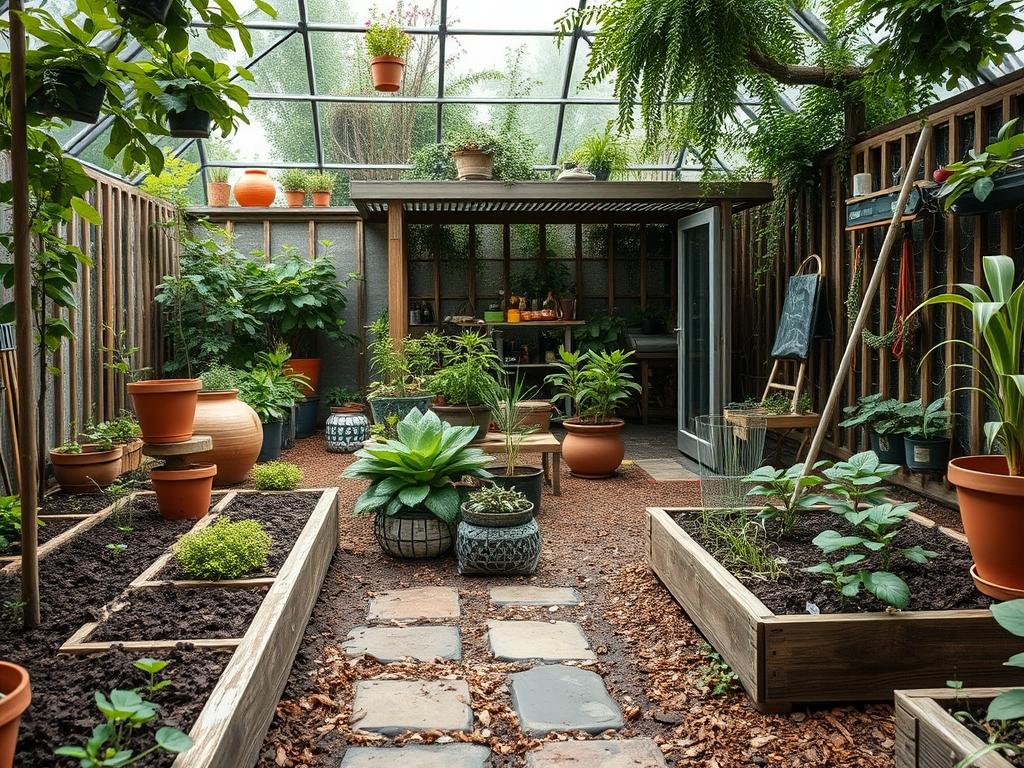
Creating a secluded sanctuary within a residential property requires more than just placing a bench under a tree. As a landscape architect, I view the development of backyard meditation nooks as a complex exercise in spatial psychology and environmental engineering. The primary challenge lies in the orchestration of sensory boundaries. You must effectively mask the auditory intrusion of traffic or neighbors while simultaneously establishing a visual threshold that signals a transition from the active, utilitarian parts of the yard to a zone of absolute stillness. This process must account for local climate variables, such as prevailing wind directions that could disrupt incense or cooling cross-breaths, and the natural movement of the sun which dictates where shadows fall during peak reflection hours. A well-executed nook does not merely sit on the land; it integrates into the existing topography to enhance the property’s overall curb appeal and resale value by providing a finished, purposeful destination.
Landscape Design Principles
The architectural foundation of any quiet retreat rests on the principle of spatial hierarchy. You must guide the visitor through a series of “gateways” that denote a departure from the mundane. This often starts with the use of elevation layers. By introducing a modest Retaining Wall or a slight 2 percent grade change, you physically lift or lower the meditation space, creating a psychological sense of “otherness.” Symmetry can be utilized to provide a sense of order and calm, perhaps through a central axis that leads the eye toward a specific focal point, such as a Basalt Column Fountain or a singular, specimen Japanese Maple. However, asymmetrical balance often feels more organic and less demanding, allowing the mind to wander.
Sightlines are equally critical. A professional design uses “borrowed scenery” where possible, framing a distant view of a hill or a specific tree canopy while using dense, mid-level plantings to obscure the immediate property fence. Irrigation planning is often overlooked in the early design phase, yet it is vital for acoustic control. The sound of a Drip Irrigation system is negligible, but a well-placed Bubbler or a small recirculating waterfall can provide the necessary white noise to drown out suburban sounds. Finally, the walkway serves as the physical transition. I recommend using materials like Flagstone or Stepping Stones spaced at a natural human gait, forcing the individual to slow down and mindfully navigate the path before reaching the destination.
Plant and Material Selection
The following selections focus on species that provide multi-sensory benefits including soft textures, rhythmic movement in the wind, and subtle fragrance.
| Plant Type | Sun Exposure | Soil Needs | Water Demand | Growth Speed | Maintenance Level |
| :— | :— | :— | :— | :— | :— |
| Japanese Maple | Partial Shade | Well-Drained Acidic | Moderate | Slow | Low to Moderate |
| English Lavender | Full Sun | Sandy/Gravelly | Low | Medium | Seasonal Pruning |
| Boxwood | Full Sun to Shade | Loamy/Well-Drained | Moderate | Slow | High (Shearing) |
| Sweet Woodruff | Full Shade | Moist/Rich | Moderate to High | Medium | Low |
| Creeping Thyme | Full Sun | Poor to Average | Low | Fast | Very Low |
| Maiden Hair Fern | Full Shade | Consistently Moist | High | Medium | Moderate |
For hardscaping materials, choose items that dissipate heat and offer underfoot stability. Decomposed Granite provides a firm yet permeable surface that makes a satisfying, soft crunching sound underfoot, while Pennsylvania Bluestone offers a cool, smooth surface for those who prefer to practice yoga or meditate barefoot. Cedar Wood is the preferred choice for decking or low platforms due to its natural resistance to rot and its pleasant, grounding aroma.
Implementation Strategy
The execution phase begins with a thorough site analysis to identify “dead zones” in the yard where activity is naturally low. Once the location is selected, the first physical step is grading. You must ensure that the site has a 1 to 2 percent slope away from any structures to prevent water pooling. If the nook is located at a low point, install a French Drain using Perforated Pipe and 1 inch washed gravel to redirect runoff.
Once the ground is level and drainage is secured, define the perimeter using Steel Edging or Cast Stone. This prevents the encroachment of turf grass and keeps your chosen ground cover, such as Pea Gravel, contained within the designated area. For the sub-base of any hardscaped section, use 4 inches of Crushed Stone compacted with a Power Tamper to prevent settling.
When it comes to planting, use a tiered approach. Place the tallest privacy screens, like Arborvitae or Clumping Bamboo, along the outer edge. Intermediate layers of Hydrangea or Fothergilla provide seasonal color and texture. The final layer consists of the innermost “sensory” plants located within arm’s reach of the seating area. After planting, apply a 3 inch layer of Organic Cedar Mulch. This serves three purposes: it suppresses weeds, retains necessary moisture for the young root systems, and provides a clean, professional aesthetic that ties the various elements together.
Common Landscaping Failures
The most frequent error in creating backyard meditation nooks is a lack of consideration for mature plant dimensions. A Leyland Cypress may look perfect in a 5 gallon pot, but its eventual 20 foot spread will quickly overwhelm a small nook and cause root overcrowding. Always design for the “ten-year canopy” rather than the initial installation size. Another significant failure is soil compaction. During the construction of a home or a major landscaping project, heavy machinery often packs the earth so tightly that roots cannot penetrate and water cannot infiltrate. It is essential to use a Broadfork or a Rototiller to aerate the site before any planting occurs.
Irrigation inefficiencies also plague many private retreats. Often, a nook is added to an existing “zone” on the sprinkler clock that was designed for a lawn. Lawns require frequent, shallow watering, whereas the shrubs and perennials in a meditation garden thrive on deep, infrequent soakings. This mismatch leads to either root rot or drought stress. Finally, beware of “drainage shadows” created by new Retaining Walls. Without proper weep holes and backfilling with Clean Stone, these walls can act as dams, turning your peaceful nook into a swamp after a heavy rain.
Seasonal Maintenance
To keep a meditation space pristine, maintenance must be proactive rather than reactive. In the Spring, perform a comprehensive soil test to check for pH imbalances. Apply a Slow-Release Fertilizer and refresh your Mulch to maintain that critical 3 inch depth. This is also the time to inspect your Irrigation Controller for any leaks or clogged emitters caused by winter debris.
During the Summer, focus on hydration and deadheading. High temperatures may require you to supplement the automated system with hand-watering for sensitive species like Maiden Hair Fern. Prune spent blooms from your Lavender to encourage a second flush of flowers and to keep the plants from becoming leggy.
Autumn is the season for structural maintenance and protection. Clear fallen leaves from Pea Gravel paths using a Leaf Blower on a low setting to prevent organic matter from decomposing into the stones and creating a breeding ground for weeds. This is also the ideal window to plant new spring-flowering bulbs like Tulips or Alliums along the entrance path.
In the Winter, the focus shifts to the “bones” of the garden. Inspect Wooden Benches or Stone Altars for cracks or weathering. If you have used an Oil-Based Stain on cedar elements, consider a light sanding and re-application during a dry spell. Ensure that any water features are properly winterized by draining the Submersible Pump to prevent ice damage.
Professional Landscaping FAQ
How can I create privacy without building a tall fence?
Utilize “living screens” by planting a staggered row of Evergreen Shrubs or Ornamental Grasses. A 6 foot tall hedge provides a softer, more organic boundary than a wooden fence and provides better sound absorption for a quiet atmosphere.
What is the best material for a low-impact meditation path?
Decomposed Granite or Fine Bark Mulch are excellent choices. They are permeable, which helps with drainage, and they offer a natural aesthetic. These materials are easier on the joints than concrete and integrate seamlessly into a wooded or garden setting.
Can I build a meditation nook in a very small yard?
Yes, use “vertical interest” to maximize space. Install a Cedar Trellis with climbing Jasmine to create a wall of fragrance and privacy. Focus on a single high-quality focal point and use Small-Scale Seating to keep the area from feeling cramped.
How do I manage mosquitoes in a damp, shaded nook?
Ensure there is no standing water by maintaining a 1 to 2 percent grade. Use Circulating Water Features rather than still ponds. Additionally, planting Lemon Balm or Catnip around the seating area can provide a natural, mild repellent effect.
What is the ideal orientation for a meditation space?
Ideally, face the seating toward the East to catch the morning sun, which is traditional for many practices. If you prefer evening use, orient the nook to the West but ensure you have “overhead canopy” filtering to block harsh glare.