
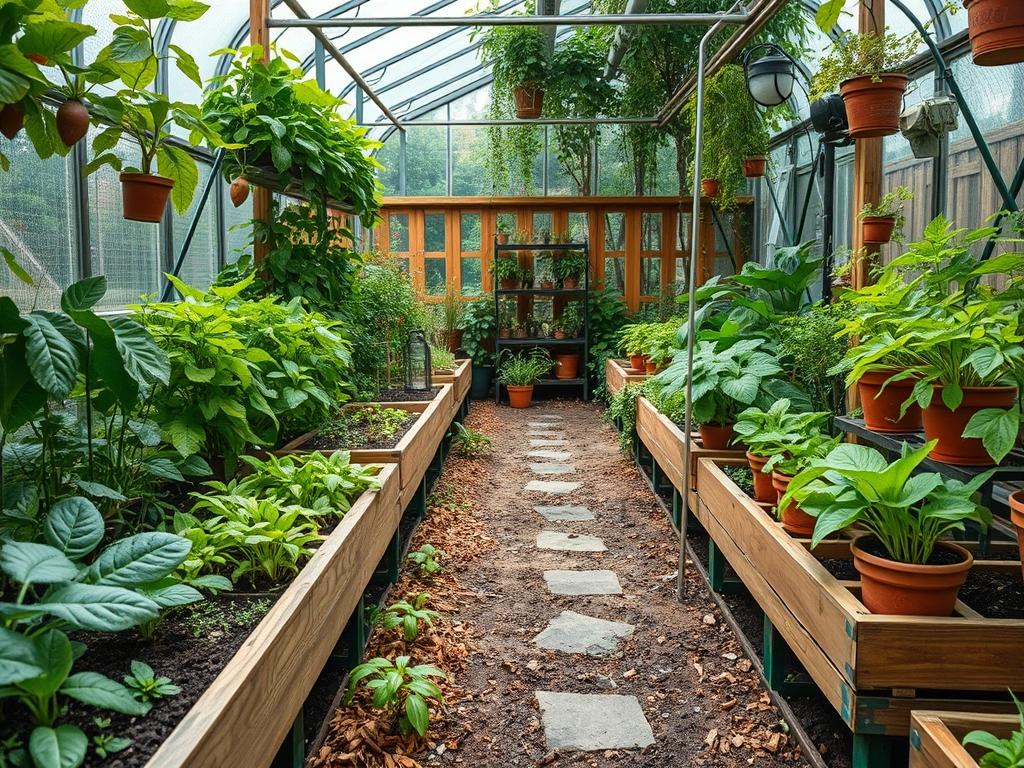
Urban density continues to redefine how we perceive private green space. The traditional horizontal sprawl of a suburban lawn is often an impossibility in modern metropolitan residential zones; therefore, professionals must look upward. Vertical Backyard Gardening represents a sophisticated intersection of architecture and horticulture. It is not merely about hanging pots on a fence. It is a calculated strategy to increase biomass, manage local microclimates, and enhance the psychological value of a property through vertical elevation. By utilizing structural boundaries as living canvases, homeowners can transform static brick or timber into dynamic ecosystems. This approach solves the persistent challenge of limited square footage while simultaneously mitigating the heat island effect common in concrete heavy environments. Effective vertical design requires an understanding of structural load, moisture management, and the specific light gradients that occur when gardening in three dimensions.
Landscape Design Principles
Successful vertical environments rely on the same fundamental principles as traditional estates, yet they require higher precision due to the proximity of the infrastructure. Symmetry and balance are achieved not through mirrors on the ground, but through the intentional layering of height. A professional plan begins with identifying a focal point, perhaps a lush living wall or a custom-built cedar trellis, which draws the eye upward and creates an illusion of depth in narrow corridors. This vertical focal point must be grounded by horizontal elements to prevent the space from feeling claustrophobic.
Elevation layers involve placing shorter, shade-tolerant species at the base while allowing sun-seeking vines to occupy the higher tiers. This mimics a natural forest edge. Furthermore, irrigation planning is the most critical technical component. Vertical systems dry out significantly faster than traditional garden beds because of increased airflow and gravity-driven drainage. A professional-grade drip irrigation system with a programmable timer is a non-negotiable requirement. Walkways and hardscaping should remain porous; using permeable pavers or decomposed granite ensures that any runoff from the vertical structures is absorbed into the local water table rather than pooling against the home foundation.
Plant and Material Selection
The following recommendations prioritize resilience and structural compatibility for urban environments.
| Plant Type | Sun Exposure | Soil Needs | Water Demand | Growth Speed | Maintenance Level |
| :— | :— | :— | :— | :— | :— |
| Climbing Jasmine | Full Sun | Well Draining | Moderate | Fast | Moderate |
| Boston Fern | Full Shade | Organic Rich | High | Medium | High |
| Creeping Fig | Part Shade | Loamy | Moderate | Very Fast | High |
| Hen and Chicks | Full Sun | Gritty / Sandy | Low | Slow | Low |
| English Ivy | Shade / Sun | Adaptable | Low | Fast | High |
| Pothos | Indirect Sun | Standard Mix | Moderate | Medium | Low |
| Espalier Fruit | Full Sun | Nutrient Dense | High | Slow | Very High |
Implementation Strategy
The transition from a design concept to a functioning vertical landscape begins with a rigorous site analysis. Before a single bracket is mounted, the structural integrity of the supporting wall must be verified. A saturated vertical garden can weigh over 30 pounds per square foot depending on the medium and plant density. If the wall is a shared property line, local codes and neighbor agreements must be reviewed.
First, address the grading at the base of the structure. The soil must slope away from the building at a minimum of 2 percent to prevent water intrusion. Install a French drain if the site has poor natural absorption. Next, define the perimeter using professional-grade metal edging or pressure-treated timber to separate the vertical assembly from the foot traffic zones.
When installing the vertical framework, use stainless steel fasteners to prevent rust streaks on the siding. For felt-pocket systems, a layer of polyethylene plastic or marine-grade plywood should be placed between the garden and the wall as a moisture barrier. Once the structure is secure, fill the planting cells with a lightweight soilless medium consisting of perlite, vermiculite, and sphagnum moss. This reduces weight and prevents the compaction issues found in heavy topsoils. Finally, apply a 2-inch layer of organic mulch at the base to retain moisture and provide a polished finish to the landscape.
Common Landscaping Failures
The most frequent error in Vertical Backyard Gardening is the neglect of hydrostatic pressure and drainage. When water is applied to the top of a vertical system, it naturally accumulates at the bottom. Without a dedicated channel for this water to escape, the lower plants suffer from root rot while the upper plants succumb to desiccation. Designers must ensure that each tier has its own drainage holes or that the entire system utilizes a recirculating reservoir.
Another common pitfall is improper spacing. Homeowners often plant for immediate “clutter-free” coverage, ignoring the mature size of the species. Overcrowding leads to poor air circulation, which invites powdery mildew and spider mites. This is particularly problematic in humid urban microclimates where wind is blocked by nearby buildings. Furthermore, soil compaction occurs rapidly in small vertical containers. Unlike a traditional backyard, where earthworms and natural processes aerate the ground, vertical media must be manually aerated or replaced every 24 to 36 months to maintain oxygen levels for the roots.
Seasonal Maintenance
Landscape management is a year-round commitment that changes with the solar cycle. In the Spring, the focus is on revitalizing the system. Inspect all solenoid valves and emitters in the irrigation line for clogs. This is also the time for aggressive pruning of woody vines and the application of a slow-release, water-soluble fertilizer to jumpstart the growing season.
During the Summer, evapotranspiration rates are at their peak. It may be necessary to adjust irrigation timers to run twice daily, once in the early morning and once at dusk. Monitor for heat stress, particularly on west-facing walls where reflected heat from windows can scorch delicate foliage. Autumn marks the period for cleanup and protection. Clear dead leaves from the base of the structures to prevent pest nesting. For deciduous climbers, this is the window to train new growth along the trellis using soft garden ties.
In Winter, vertical gardens are highly susceptible to “freeze-thaw” cycles because the roots are not insulated by the deep earth. In colder climates, drip lines must be drained and blown out with compressed air to prevent bursting. Sensitive perennials should be wrapped in burlap or moved to a sheltered area if the system is modular.
Professional Landscaping FAQ
How do I prevent my vertical garden from damaging my house walls?
Always install a physical vapor barrier, such as 6-mil polyethylene sheeting, between the garden structure and the wall siding. Ensure a 1-inch air gap exists behind the frame to allow for moisture evaporation and to prevent mold growth.
What is the best irrigation method for high-density vertical walls?
A pressure-compensated drip irrigation system is superior. It delivers precise amounts of water to each level of the garden regardless of height. Using a smart controller with a soil moisture sensor prevents overwatering during rainy periods or high humidity.
Can I grow vegetables in a vertical backyard setup?
Yes, leafy greens and herbs thrive in vertical pockets. However, heavy fruiting plants like tomatoes require significant root volume and structural support. Use reinforced steel grids and deep planter boxes at the base for larger vegetable varieties.
How do I handle wind issues on balconies or high-rise yards?
Wind increases the rate of transpiration, drying plants out quickly. Use wind-tolerant species like ornamental grasses or sedums. Additionally, ensure all vertical frames are bolted directly into the building studs using lag bolts to withstand high-velocity gusts.
Is specialized soil required for vertical planting?
Yes, standard garden soil is too heavy and compacts easily. Use a professional soilless mix containing coconut coir and expanded clay pebbles. These materials provide the necessary aeration and water retention while keeping the total weight manageable for the structure.