
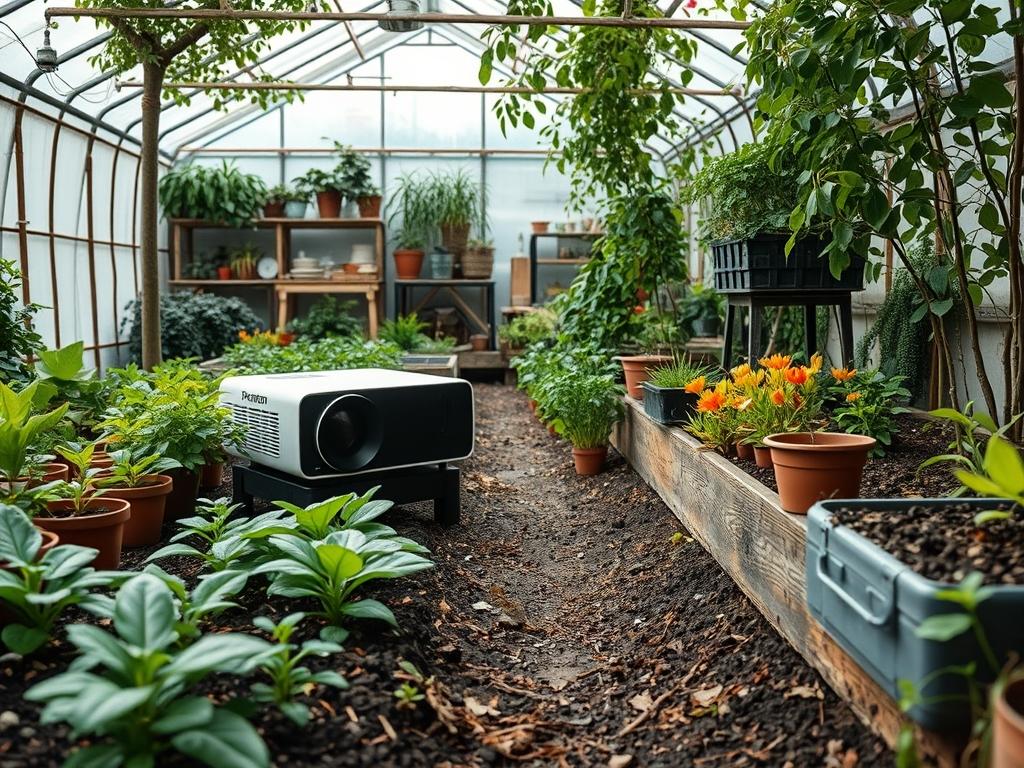
Integrating high-end technology into a living, breathing landscape requires a sophisticated understanding of spatial dynamics and environmental variables. When clients request a sanctuary for evening entertainment, the primary challenge lies in balancing aesthetic curb appeal with the technical requirements of modern audiovisual equipment. Designing a space for Backyard Movie Projectors is not merely about finding a flat wall; it involves a comprehensive site analysis that accounts for sunset trajectories, prevailing wind patterns, and the acoustic properties of local topography. A successful outdoor theater must serve as a functional garden during the daylight hours while transforming into a seamless cinematic experience at night. This transition relies heavily on site orientation to minimize ambient light pollution and the strategic use of softscape elements to dampen sound reflections.
Climate considerations play a pivotal role in the longevity of the installation. For regions prone to high humidity or sudden precipitation, the choice of materials for screen mounts and projector housing must prioritize moisture resistance and thermal stability. From a landscape architect’s perspective, the goal is to create an environment where the hardware feels organic rather than intrusive. This is achieved by utilizing Natural Stone for tiering, Native Plants for screening, and advanced Irrigation Systems that protect sensitive electronics from overspray. Ultimately, the functional goal is to enhance the property’s utility without compromising the ecological health or the visual harmony of the outdoor environment.
Landscape Design Principles
A professional landscape layout for outdoor cinema follows the same core principles as a traditional amphitheater, focusing on symmetry and clear sightlines. Symmetry provides a sense of order and directs the viewer’s eye toward the focal point, which in this case is the screen area. To achieve this, architects often use mirrored plantings or twin Stone Pillars to frame the viewing zone. The screen itself should be positioned against a backdrop that offers high contrast, such as a dark-stained Cedar Fence or a dense wall of tall evergreens. This prevents visual noise from distracting the audience and helps the projector’s lamp maintain its perceived brightness.
Elevation layers are perhaps the most critical component of a theater grade backyard. By implementing low-profile Retaining Walls or gentle berms, you can create stadium-style seating that ensures every guest has an unobstructed view. These levels should be calculated using a Clinometer to ensure precise grading. Furthermore, the integration of walkways is essential for nighttime safety. Using recessed LED Path Lights or low-voltage Step Lights provides enough illumination for movement without washing out the screen. Irrigation planning must be meticulously mapped to ensure that Pop-up Sprinklers are positioned away from the electronics and seated areas, utilizing Drip Irrigation for the surrounding plant beds to minimize surface moisture.
Visual balance is maintained by mixing hardscaping with softscaping. While the projector might sit on a stable Paver Pedestal, the surrounding area should feature diverse textures to avoid a sterile, overly industrial feel. The use of large-scale Boulders can serve as both decorative elements and acoustic buffers, breaking up sound waves that might otherwise bounce off the flat surfaces of the home’s exterior.
Plant and Material Selection
The following selection prioritizes plants that provide structural screening, ground cover for foot traffic, and low-maintenance aesthetics suitable for an outdoor viewing area.
| Plant Type | Sun Exposure | Soil Needs | Water Demand | Growth Speed | Maintenance Level |
| :— | :— | :— | :— | :— | :— |
| Emerald Green Arborvitae | Full Sun / Partial Shade | Well-drained, fertile | Moderate | Medium | Low |
| Creeping Thyme | Full Sun | Sandy, rocky | Low | Medium | Very Low |
| Boxwood | Partial Sun | Loamy, organic | Moderate | Slow | Medium |
| Switchgrass | Full Sun | Any, prefers moist | Low | Fast | Low |
| Japanese Maple | Partial Shade | Well-drained, acidic | Moderate | Slow | Medium |
| Kentucky Bluegrass | Full Sun | Rich, loamy | High | Fast | High |
| River Birch | Full Sun / Partial Shade | Moist, acidic | High | Fast | Medium |
Implementation Strategy
Planning a backyard cinema layout begins with a detailed survey of the site’s topography. The first step involves grading the land to ensure a level base for both the screen and the seating area. Using a Transit Level, confirm that the slope carries water away from the projection equipment and seating pads. If the ground is naturally uneven, consider constructing a tiered wooden deck or using Crushed Stone to create a stable, permeable surface for chairs and blankets.
Once the grade is established, hardscaping elements like Flagstone or Concrete Pavers should be installed to create a permanent home for the projector. This ensures the device does not vibrate or shift during use. Edging is then applied to the borders of the viewing area using Steel Edging or Polymer Strips to keep the turf or Mulch from migrating into the seating paths. A Mulch depth of at least 3 inches is recommended for surrounding garden beds to suppress weeds and retain moisture for the screening plants.
Drainage is a high priority during implementation. Install French Drains or Channel Drains around the perimeter if the site is at the bottom of a slope. This prevents the area from becoming a mud pit during the rainy season. Finally, the installation of a dedicated Outdoor Power Outlet should be performed by a licensed professional, ensuring the circuit is rated for the power draw of high-lumen Backyard Movie Projectors and any accompanying sound systems.
Common Landscaping Failures
One of the most frequent mistakes in outdoor cinema design is failing to account for proper drainage. When a flat viewing area is excavated, it can easily become a collection point for runoff. Without a slight 1 percent to 2 percent grade or a functional drainage system, water will pool under seating and near electrical components, leading to mold, soil compaction, and equipment failure. Additionally, many homeowners ignore the potential for root overcrowding. Planting large trees like Oaks or Maples too close to hardscaped paths or projector pedestals will eventually lead to the upheaval of stones and the cracking of concrete as the root systems expand.
Improper spacing of screening plants is another common issue. While it is tempting to plant Privet Hedges or Arborvitae tightly for immediate privacy, they require air circulation to prevent fungal diseases. Following the recommended on-center spacing measurements is vital for long-term health. Irrigation inefficiencies often arise when owners use standard spray heads in a theater zone. The resulting mist can settle on projector lenses, causing permanent damage. Finally, a lack of consideration for light hygiene can ruin the experience. Planting bright, light-colored foliage near the screen can reflect ambient moonlight and reduce the projector’s contrast ratio.
Seasonal Maintenance
Maintaining a landscape designed for entertainment requires a year-round commitment to preserve both the plants and the functionality of the space. In the spring, the focus should be on soil health and structural pruning. Apply a slow-release Fertilizer to screening plants and inspect Retaining Walls for signs of frost heave. Clear any debris from French Drains and test the Irrigation Controller to ensure no leaks developed over the winter.
During the summer, the primary task is moisture management. The increased usage of the movie area means turfgrass like Kentucky Bluegrass will face higher foot traffic. Aerate the soil if it becomes compacted and adjust irrigation timers to account for higher evaporation rates. In the autumn, leaf removal is critical. Dead leaves provide a nesting ground for pests and can clog drainage grates. This is also the best time to plant new Spring-Flowering Bulbs around the theater borders. In the winter, protect sensitive plants with Burlap Wraps and ensure that any permanent outdoor hardware is covered or moved to a Weatherproof Storage Box to prevent damage from ice and snow.
Professional Landscaping FAQ
How can I reduce screen glare using landscaping?
Position the screen facing north and use tall, dense evergreens like Emerald Green Arborvitae to block western light. Dark-colored Mulch and matte-finished Hardscaping Materials also help absorb stray light, significantly improving the contrast of Backyard Movie Projectors.
What is the best ground cover for high-traffic theater areas?
For a soft, natural feel, Kentucky Bluegrass is durable but requires water. For a low-maintenance alternative, Creeping Thyme or Pea Gravel provides a stable surface that handles foot traffic well without the need for constant mowing or irrigation.
How do I protect my projector from irrigation overspray?
Convert the theater-adjacent zones to Drip Irrigation. This delivery system applies water directly to the soil, eliminating airborne mist. Additionally, ensure all Pop-up Sprinkler heads are adjusted to a 180-degree pattern facing away from the equipment and seating areas.
What are the best materials for a projector base?
Utilize stable, non-vibratory materials such as Level Concrete Pavers, Flagstone, or a dedicated Pressure-Treated Timber pedestal. The base should be set on a 4-inch layer of compacted Gravel or Sand to prevent shifting over time due to soil expansion.
Can I use plants to improve the outdoor acoustics?
Yes, dense foliage and varied plant heights act as natural sound diffusers. Species with thick leaves, like Boxwood or Leatherleaf Viburnum, help break up echoes. Using Wood Fencing combined with softscape layers creates a much better acoustic environment than bare brick.