
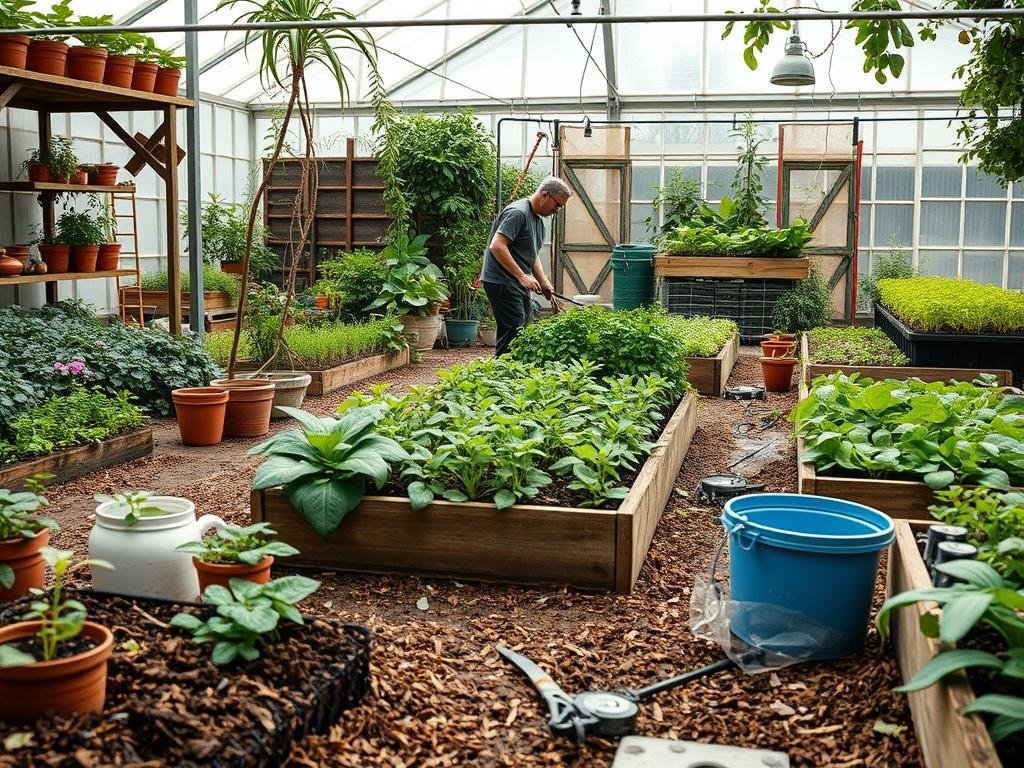
Midsummer arrival brings a specific set of challenges for the residential environment; the high heat levels and frequent humidity often lead to rapid plant growth while simultaneously placing stress on the root systems of more delicate species. Maintaining curb appeal is not merely a matter of aesthetics. It is a critical component of property value and outdoor functionality. A neglected backyard often suffers from poor air circulation and increased pest activity, which can eventually encroach upon the home itself. Efficient Backyard Summer Cleanups require a systematic approach that balances immediate aesthetic improvements with long term ecological health. We must consider the site topography, the specific microclimates created by existing structures, and the current state of the site hydrology to ensure the landscape remains resilient during the harshest months of the year.
Landscape Design Principles
Successful landscape architecture relies on the foundational “bones” of the property. When planning a cleanup or a redesign, symmetry and visual balance act as the primary anchors for the eye. Symmetry does not always mean a mirror image; rather, it refers to the distribution of visual weight. For instance, a heavy multi-stemmed birch on the left side of a patio can be balanced by a dense cluster of boxwood shrubs and a large stone planter on the right. This prevents the space from feeling lopsided or chaotic.
Focal points are equally essential. Every backyard should have a destination or a visual pull, such as a fire pit, a sculptural fountain, or a high-quality specimen tree. These elements draw the observer through the space, making a small yard feel larger and a large yard feel more intimate. To enhance this effect, we utilize elevation layers. By using retaining walls or raised planters, you create vertical interest that breaks up a flat, monotonous lawn. These layers also provide an opportunity to organize plants by their water and light requirements, placing drought-tolerant species on higher, sunnier tiers and moisture-loving plants in lower, shaded basins.
Furthermore, functionality must dictate form. Walkways should be at least 36 inches wide to allow for comfortable movement, and they should be constructed from durable materials like flagstone or pavers set on a stable crushed stone base. Proper irrigation planning is the final pillar of professional design. Zoned systems, particularly those utilizing drip irrigation, ensure that water reaches the root zones directly, minimizing evaporation and preventing the fungal issues often caused by overhead spraying.
Plant and Material Selection
| Plant Type | Sun Exposure | Soil Needs | Water Demand | Growth Speed | Maintenance Level |
| :— | :— | :— | :— | :— | :— |
| Lavender | Full Sun | Well-drained/Sandy | Low | Moderate | Low |
| Oakleaf Hydrangea | Partial Shade | Loamy/Rich | Moderate | Moderate | Moderate |
| Blue Fescue | Full Sun | Well-drained | Low | Fast | Low |
| Japanese Maple | Filtered Sun | Acidic/Moist | Moderate | Slow | Moderate |
| Creeping Thyme | Full Sun | Poor to Average | Low | Moderate | Low |
| Switchgrass | Full Sun | Adaptable | Low | Fast | Low |
| Coneflower | Full Sun | Average/Neutral | Low | Moderate | Low |
Implementation Strategy
The execution of a cleanup should follow a logical sequence to minimize labor and maximize impact. Start with property-wide debris removal. Use a heavy-duty leaf rake or a backpack blower to clear dead leaves, fallen branches, and organic litter that has accumulated in corners or under decks. This debris often harbors Carpenter ants or termites, so removing it is a functional necessity for home maintenance.
Once the area is clear, focus on edge definition. A crisp line between the lawn and the planting beds is the hallmark of a professional landscape. Use a manual half-moon edger or a gas-powered stick edger to cut a clean, vertical boundary. This not only looks sharp but also prevents turfgrass from encroaching into your mulch beds. Following the edging, evaluate the grading of the soil. Ensure that the ground slopes away from the foundation of the house at a minimum of two percent to prevent basement flooding or crawlspace moisture.
The next step involves soil health and moisture retention. Apply a layer of hardwood mulch or pine bark to all garden beds. A depth of 2 to 3 inches is ideal; anything deeper can suffocate plant roots or prevent water from reaching the soil, while anything shallower will fail to suppress weeds. Before mulching, ensure any landscape fabric is properly pinned and that weaker weeds have been hand-pulled. Finally, perform targeted pruning. Use bypass pruners to remove deadhead spent blooms on perennials and to clear out any water sprouts or suckers from the base of trees. This redirects the plant’s energy toward root development and healthy foliage rather than seed production.
Common Landscaping Failures
One of the most frequent errors in residential landscaping is the installation of improper drainage solutions. Homeowners often rely on surface grading alone, which can fail during heavy summer thunderstorms. Without a French drain or a dedicated dry creek bed, water can pool in low-lying areas, causing soil compaction and root rot. Compaction is a silent killer of landscapes; it squeezes the air pockets out of the soil, making it nearly impossible for roots to breathe or for water to penetrate the surface. A soil probe can be used to check for this condition.
Root overcrowding is another prevalent issue. When planting, it is tempting to buy smaller specimens and place them close together for an immediate full look. However, failing to account for the mature spread of a shrub or tree leads to competition for nutrients and poor airflow. This lack of circulation creates a breeding ground for powdery mildew and spider mites. This mistake is often compounded by irrigation inefficiencies. Over-watering is just as damaging as under-watering. If an irrigation system is not calibrated to the specific needs of the plant species, the resulting “wet feet” can kill even the hardiest evergreens.
Seasonal Maintenance
Landscape management is a year-round commitment that changes with the solar cycle. In the Spring, the focus is on preparation and awakening. This is the time for core aeration of the lawn, applying a slow-release fertilizer, and inspecting the structural integrity of wooden fences or stone walls. It is also the best window for planting new deciduous trees before the summer heat arrives.
During the Summer, the priority shifts to preservation. Backyard Summer Cleanups involve consistent weeding, monitoring for pests, and ensuring the mulch layer remains intact. This is also the time to adjust irrigation timers to account for higher evapotranspiration rates. In the Autumn, the landscape transition begins. This is the period for leaf management, planting spring-flowering bulbs, and performing a final “clean cut” of the lawn at a lower mower setting. It is also an excellent time to apply compost to beds to replenish nutrients lost during the growing season.
Winter is the season for structural work and dormant pruning. Without foliage blocking the view, you can easily see the “architecture” of your trees and shrubs. Use this time to remove crossing branches or hazardous limbs using a pruning saw. It is also the safest time to repair hardscaping elements like patios or retaining walls without the risk of damaging active plant growth.
Professional Landscaping FAQ
How often should I refresh the mulch in my garden beds?
You should inspect your mulch levels annually. Generally, adding a 1 inch top-off layer every spring or early summer maintains the necessary 3 inch depth required for moisture retention, weed suppression, and soil temperature regulation throughout the hottest months.
What is the best way to handle poor drainage in a flat backyard?
The most effective solution involves installing a French drain or a catch basin system. By directing subsurface water toward a lower exit point or a rain garden, you prevent soil saturation and protect your home’s foundation from hydrostatic pressure.
Should I prune my flowering shrubs during a summer cleanup?
Only perform light maintenance in summer. Remove dead, damaged, or diseased wood and spent flowers. Heavy structural pruning should be reserved for the dormant winter season or immediately after spring flowering to avoid cutting off next year’s potential flower buds.
How can I reduce the water consumption of my landscape?
Incorporate native plants and drought-tolerant species that are adapted to your local climate. Replacing overhead sprinklers with drip irrigation and utilizing organic mulch will significantly decrease water waste while ensuring your plants receive consistent, targeted hydration.
Is it necessary to edge my lawn every time I mow?
While not required every time, mechanical edging should be done once a month during the growing season. This maintains a clear physical barrier between the turf and garden beds, preventing invasive root spread and significantly elevating the property overall aesthetic.