
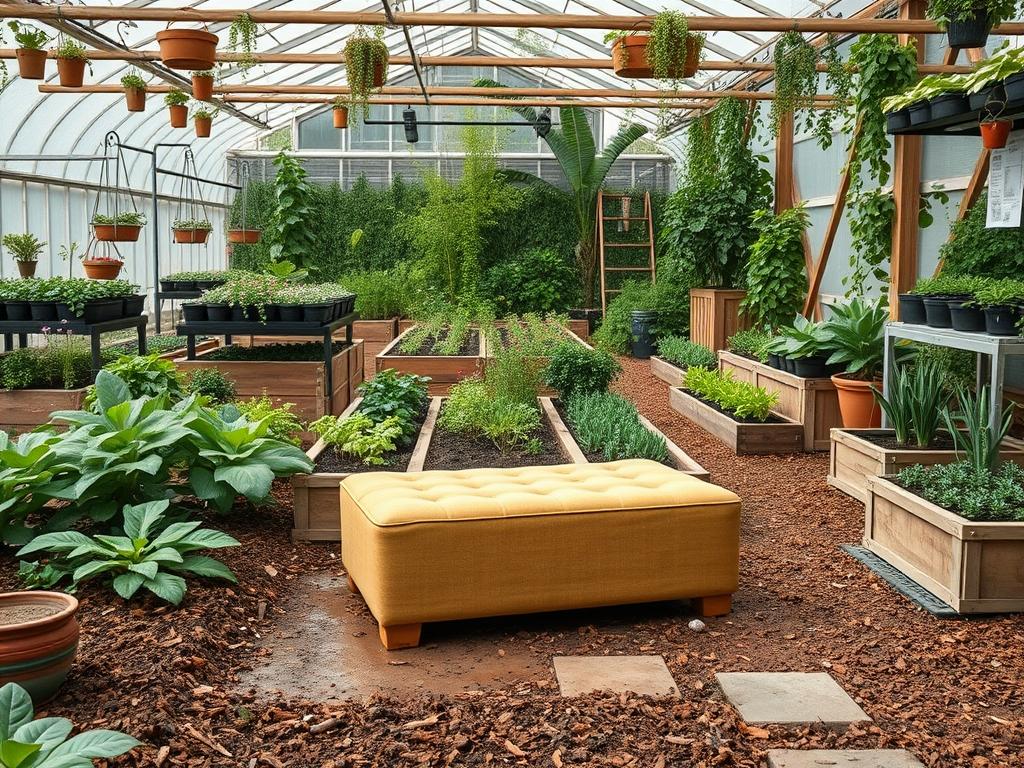
Modern residential design often struggles with the friction between aesthetic minimalism and the practical needs of active outdoor living. Homeowners want the pristine look of a high-end botanical garden, yet they require accessible storage for cushions, pool accessories, and maintenance tools. This is where the integration of Outdoor Storage Ottomans becomes a strategic asset rather than a mere furniture choice. By treating these functional pieces as part of the permanent landscape architecture, we can preserve curb appeal while enhancing the site functionality across various climate zones. A well-placed ottoman serves as more than a footrest; it acts as a transition point between the rigid lines of hardscaping and the fluid textures of a softscape.
The challenge in any luxury landscape is managing the clutter that naturally accumulates in a living space. Traditional sheds are often too bulky for smaller urban lots or sophisticated patio designs, frequently disrupting the visual flow of a garden. Integrating Outdoor Storage Ottomans allows for the concealment of necessary items like garden hoses, trowels, and outdoor pillows within the primary seating area. This proximity ensures that the garden remains a usable extension of the home without appearing neglected. When choosing these pieces, a consultant must consider material durability against UV radiation and moisture, ensuring the storage solution does not become a maintenance burden itself.
Landscape Design Principles
Successful garden planning relies on the fundamental principle of balance. When incorporating Outdoor Storage Ottomans, we use them to create symmetry within a seating arrangement. For instance, placing two identical ottomans on either side of a fire pit provides visual weight that grounds the space. These pieces should follow the 60-30-10 rule of design, where 60 percent of the space is the dominant landscape, 30 percent is the secondary hardscape, and 10 percent is the functional accents. By selecting an ottoman in a neutral tone like slate or teak, the piece remains unobtrusive while performing its dual role as a table and a bin.
Elevation layers also play a critical role in professional landscaping. A garden should never be flat; it requires variations in height to guide the eye. An ottoman adds a low-profile layer that bridges the gap between the ground cover and the mid-height of chairs or sculptural shrubs. Furthermore, irrigation planning must account for these structures. While most storage ottomans are weather-resistant, they should never be placed directly over sprinkler heads or in low-lying areas where water pools. Strategic placement near walkways ensures that the storage is accessible without forcing guests to step onto delicate turfgrass or flower beds.
Visual balance is achieved when the ottoman complements the existing textures. If your patio features rugged natural stone, a smooth powder-coated aluminum ottoman provides a modern contrast. Conversely, in a garden filled with soft ornamental grasses, a woven resin ottoman introduces a complementary organic texture. The goal is to make the storage feel like an intentional part of the site’s geometry, rather than an afterthought.
Plant and Material Selection
The transition between furniture and foliage requires careful selection of plant species and construction materials. The following table outlines the best options for bordering your outdoor storage areas to ensure a seamless blend.
| Plant Type | Sun Exposure | Soil Needs | Water Demand | Growth Speed | Maintenance |
| :— | :— | :— | :— | :— | :— |
| Boxwood | Full to Partial | Well-drained | Moderate | Slow | Low |
| Lavender | Full Sun | Sandy/Lean | Low | Moderate | Low |
| Blue Fescue | Full Sun | Well-drained | Low | Moderate | Very Low |
| Hostas | Full Shade | Organic-rich | High | Fast | Moderate |
| Creeping Thyme | Full Sun | Adaptable | Low | Fast | Low |
| Dwarf Fountain Grass | Full Sun | All types | Moderate | Fast | Low |
For the hardware itself, material selection is paramount. Teak is the gold standard for high-end wood finishes due to its natural oils that resist rot. High-Density Polyethylene (HDPE) resin offers the best longevity in coastal environments where salt air can corrode metal. If selecting metal, ensure it is anodized or powder-coated to prevent oxidation.
Implementation Strategy
Implementing a functional storage plan begins with proper site grading. Before placing your Outdoor Storage Ottomans, you must ensure the underlying surface is perfectly level. If placing the ottoman on a lawn, excavate a 4-inch deep area and fill it with compacted gravel or crushed stone. This prevents the unit from sinking into the soil and allows for proper drainage around the base, which is vital for the longevity of the material.
Once the foundation is set, focus on edging. Use heavy-duty steel edging or poured concrete borders to define the transition between the furniture’s footprint and the surrounding mulch. Apply a 3-inch layer of hardwood mulch or river rock around the perimeter to suppress weeds and maintain a clean appearance. If the ottoman is part of a larger deck or patio, ensure it is integrated into the hardscape layout during the initial CAD modeling or sketching phase. This prevents the “floating furniture” look and makes the storage feel built-in.
For drainage, consider the slope of the patio. The surface should pitch away from the home and the ottoman at a rate of 1/4-inch per foot. If the ottoman has a solid base, drill small drainage holes in the bottom (if not already present) to prevent moisture from being trapped inside, which can lead to mold on stored fabrics. Finally, anchor the piece if you live in a high-wind corridor. Some designers hide sandbags or heavy pavers inside the bottom of the ottoman to provide stability without affecting its outward appearance.
Common Landscaping Failures
One of the most frequent mistakes in outdoor storage placement is ignoring the “moisture trap” effect. Placing an ottoman directly on top of organic mulch or raw soil invites wood-destroying organisms and rust. Without a proper vapor barrier or a raised foundation of paver stones, the base of the furniture will inevitably fail. Furthermore, blocking irrigation zones can lead to dry patches in the lawn or over-saturation of the furniture itself, leading to localized rot.
Another common failure is root overcrowding. When homeowners place heavy furniture near the base of young ornamental trees, they risk soil compaction. This compaction prevents oxygen and water from reaching the root zone, potentially killing the tree over several seasons. Always maintain a minimum 3-foot buffer between large storage units and the drip line of developing trees. Additionally, improper spacing frequently disrupts traffic flow. Designers must ensure a minimum 18-inch clearance between the ottoman and other seating to allow for comfortable movement, preventing the space from feeling cramped or unusable.
Seasonal Maintenance
Seasonal care is what separates a professional landscape from a DIY project. In the spring, inspect the seals of your Outdoor Storage Ottomans for any cracks caused by winter expansion and contraction. Clean the exterior using a biodegradable soap and a soft-bristle brush to remove pollen and debris. This is also the time to refresh the mulch around the base and check that the automated irrigation isn’t spraying directly onto the unit.
During the summer, UV protection is the priority. Apply a UV-protectant spray to resin or fabric components to prevent fading. As autumn arrives, clear fallen leaves from around the base to prevent moisture retention and pest nesting. If the ottoman is not rated for heavy snow loads, it should be moved to a protected area or covered with a weatherproof furniture shroud. During the winter, empty the ottoman of any items that could be damaged by extreme cold, such as liquid fertilizers or delicate ceramic ornaments.
Professional Landscaping FAQ
What is the best material for a low-maintenance ottoman?
High-Density Polyethylene (HDPE) resin is the superior choice. It resists UV rays, moisture, and insects without requiring staining or painting. Simply wash it with a garden hose periodically to maintain its appearance throughout the year.
How do I prevent mold from growing inside the storage?
Ensure the ottoman has proper ventilation. Use mesh liners or silica gel packets to absorb excess moisture. Avoid storing damp Sunbrella cushions inside; always allow fabrics to air dry completely before placing them in a sealed container.
Can I use an ottoman as a planter?
Only if it is specifically designed for dual-use. Most storage ottomans lack the filter fabric and drainage systems required for soil. Forcing a conversion can lead to structural failure and permanent staining of the interior components.
How do I integrate an ottoman into a small garden?
Use it as a focal point. Choose a model that doubles as a coffee table. Surround it with creeping thyme to create a soft, aromatic ground cover that minimizes the need for hard borders or heavy maintenance.
Does price correlate with durability in outdoor storage?
Generally, yes. Higher-priced models feature marine-grade hardware and solution-dyed acrylics. Investing in quality materials like grade-A teak ensures the piece survives five to ten years longer than budget-grade plastic alternatives found in big-box stores.