
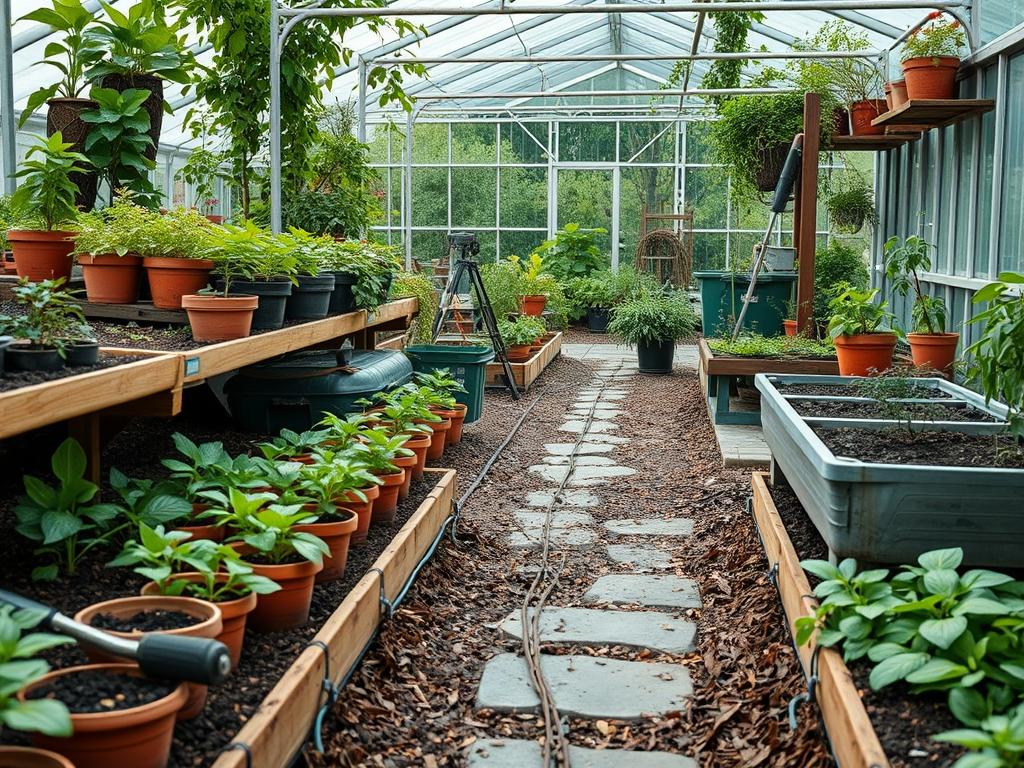
Successful landscaping transcends mere aesthetics by creating a resilient, self regulating ecosystem. When we discuss backyard pest management from a professional architectural standpoint, we treat the site as a complex living filter. Improperly managed landscapes often invite infestation through standing water, poor airflow, or monoculture plantings that lack natural predators. A well planned backyard balances curb appeal with localized biodiversity, ensuring that maintenance remains manageable without the need for synthetic interventions. By prioritizing site preparation and structural integrity, a landscape architect can design out the primary causes of pest outbreaks before the first plant even enters the soil. This holistic approach focuses on long term functionality and environmental health, turning a standard backyard into a balanced habitat where nature does the heavy lifting.
The fundamental challenge of chemical free management lies in the transition from reactive to proactive maintenance. Instead of reaching for a spray when aphids appear, a consultant looks at the irrigation schedule, the soil pH, and the proximity of the plants to one another. High quality outdoor environments rely on the principle of right plant, right place. When a species is stressed because it is planted in an unsuitable microclimate, it releases chemical signals that attract predators. Strengthening the plant through proper grading, nutritional support, and strategic placement is the most effective form of backyard pest management available to the modern homeowner.
Landscape Design Principles
Effective backyard pest management begins on the drafting board. Symmetry and focal points are not just about visual delight; they allow for clear sightlines that make monitoring plant health easier. A symmetrical garden layout often utilizes hedges or pathways that provide access for routine inspections, ensuring that no corner of the property becomes an overgrown breeding ground for unwanted insects. By establishing clear focal points, the designer directs the eye and the footsteps toward areas that require the most attention, such as vegetable patches or delicate ornamental beds.
Elevation layers play a critical role in managing the moisture levels that attract pests. By using retaining walls and terracing, a landscape architect can control the flow of water across the property. This prevents the stagnant, boggy conditions where mosquitoes and fungal pathogens thrive. High elevation layers should be reserved for plants that require excellent drainage, while lower areas can incorporate rain gardens populated with native plants that thrive in wet conditions. This structural diversity also creates various niches for beneficial insects, such as lacewings and spiders, which act as natural security guards for your garden.
Irrigation planning is perhaps the most vital component of a resilient design. Overhead watering is a frequent mistake that leads to powdery mildew and attracts slugs. A professional design utilizes drip irrigation systems or soaker hoses buried beneath 3 inches of organic mulch. This delivers water directly to the root zone, keeping the foliage dry and reducing the humidity levels that pests love. Furthermore, the inclusion of wide walkways made of crushed stone or pavers ensures that humans can move through the space without compacting the soil, which helps maintain the aerobic conditions necessary for healthy root systems.
Plant and Material Selection
Selecting the right materials is the cornerstone of sustainable backyard pest management. We focus on species that are naturally resistant to local pests and materials that discourage nesting.
| Plant Type | Sun Exposure | Soil Needs | Water Demand | Growth Speed | Maintenance Level |
| :— | :— | :— | :— | :— | :— |
| Lavandula angustifolia | Full Sun | Well-Drained | Low | Moderate | Low |
| Rosmarinus officinalis | Full Sun | Sandy/Loamy | Low | Fast | Moderate |
| Tagetes patula | Full Sun | Fertile/Loamy | Moderate | Fast | Low |
| Echinacea purpurea | Full Sun/Part Shade | Versatile | Moderate | Moderate | Low |
| Achillea millefolium | Full Sun | Poor to Average | Low | Fast | Low |
| Nepeta cataria | Full Sun/Part Shade | Well-Drained | Moderate | Fast | Moderate |
Implementation Strategy
The implementation phase is where the structural integrity of the backyard pest management plan is solidified. It begins with grading. To ensure proper drainage, the land must slope away from the home and any permanent structures at a rate of at least 2 percent. This prevents moisture from pooling near the foundation, which is a primary invitation for termites and carpenter ants. Once the grade is established, edging should be installed to create a physical barrier between turf grass and garden beds. Using heavy duty steel edging or stone borders prevents creeping grasses and weeds from infiltrating the beds, reducing the need for hand weeding or chemical herbicides.
After the hardscape and borders are set, soil preparation becomes the priority. Incorporating organic compost and leaf mold into the top 6 to 12 inches of soil improves the cation exchange capacity and promotes a healthy microbiome. Healthy soil creates healthy plants, and healthy plants are less susceptible to infestation. When planting, pay close attention to the mature spread of each species. Using a measuring tape to ensure correct spacing is non negotiable. Overcrowded plants create pockets of stagnant air, which are magnets for spider mites and whiteflies.
Finally, a layer of hardwood mulch or pine bark should be applied. A depth of 2 to 3 inches is ideal. Mulch regulates soil temperature and suppresses weed seeds, but it must be kept several inches away from the trunks of trees and the crowns of perennials. Creating a mulch volcano around a tree trunk traps moisture against the bark, leading to rot and providing a highway for wood boring insects. Properly applied mulch, however, provides a habitat for ground beetles, which are voracious predators of garden pests.
Common Landscaping Failures
The most common failure in backyard pest management is the neglect of drainage. Even a beautiful garden will fail if the soil remains waterlogged. Compaction from heavy machinery during construction often leaves a “hardpan” layer that prevents water from infiltrating. If this is not addressed with core aeration or the installation of a French drain, the resulting anaerobic conditions will kill root systems and attract fungus gnats and root rot.
Another frequent error is the use of invasive or non-native species that have no natural predators or competitors. These plants can quickly overwhelm a landscape, creating a monoculture that is highly vulnerable to specific pest outbreaks. Improper pruning also creates issues. When homeowners use hedge shears to round off every shrub, they create a dense outer shell of foliage with a dead, hollow interior. This interior becomes a perfect sheltered nesting site for pests. Using bypass pruners to make selective thinning cuts allows light and air to reach the center of the plant, discouraging infestation.
Lastly, irrigation inefficiencies often undermine management efforts. Timers that are set to run every day for short periods encourage shallow root growth. This leaves plants vulnerable during heatwaves. Deep, infrequent watering is the professional standard. It encourages roots to dive deep into the soil, making the plant more resilient and less attractive to opportunistic pests that target weak, thirsty specimens.
Seasonal Maintenance
Seasonal care ensures the backyard pest management strategy remains effective year round. In the spring, the focus is on cleanup and prevention. Remove dead stalks from perennials, as these can harbor overwintering pests. Inspect the irrigation system for leaks and ensure that emitters are not clogged. This is also the time to apply a fresh layer of compost to boost plant immunity.
During the summer, monitoring is the primary task. Use yellow sticky traps to gauge pest populations, but rely on manual removal or blasts of water from a garden hose to dislodge aphids and mites. Maintain a consistent watering schedule, especially during drought, to prevent plant stress. Deadheading spent blooms on plants like Marigolds and Yarrow encourages secondary flowering, providing a continuous food source for beneficial pollinators.
Autumn brings a shift toward sanitation. Rake up and compost fallen leaves, especially those from fruit trees or roses that may be carrying fungal spores. However, consider leaving a small, designated area of leaf litter in a remote corner of the yard to provide winter cover for beneficial insects. Ensure that all gutters and downspouts are clear to prevent localized flooding during winter rains.
In the winter, focus on structural maintenance. Perform dormant pruning on deciduous trees using loppers and pruning saws to remove crossing branches. This improves the overall canopy structure and air circulation for the coming year. Sharpen all gardening tools with a whetstone to ensure clean cuts, which heal faster and are less likely to become entry points for disease.
Professional Landscaping FAQ
How does mulch help with backyard pest management?
Properly applied mulch suppresses weeds that compete for nutrients and provides a habitat for predatory beetles. It also regulates soil temperature, reducing plant stress which prevents the release of chemicals that attract pests to the garden area.
Can drainage issues increase my backyard pest population?
Yes. Poor drainage causes standing water and soil saturation. This environment is the primary breeding ground for mosquitoes and various fungal pathogens. Correcting the grade or installing French drains is essential for long term, chemical free management and plant health.
Why is plant spacing important for avoiding pests?
Adequate spacing ensures optimal air circulation and light penetration throughout the foliage. This prevents the humid, stagnant microclimates where mildew and soft-bodied insects thrive. It also allows you to easily inspect plants for early signs of trouble.
What is the role of native plants in pest control?
Native plants have evolved alongside local beneficial insects. By including them, you attract natural predators like ladybugs and predatory wasps. These insects provide a permanent, biological defense system that keeps pest populations below the threshold of visible damage.
Is irrigation timing relevant to pest management?
Watering in the early morning allows foliage to dry quickly in the sun. Night watering keeps leaves damp for many hours, which significantly increases the risk of fungal infections and attracts nocturnal pests like slugs and snails to your plants.