
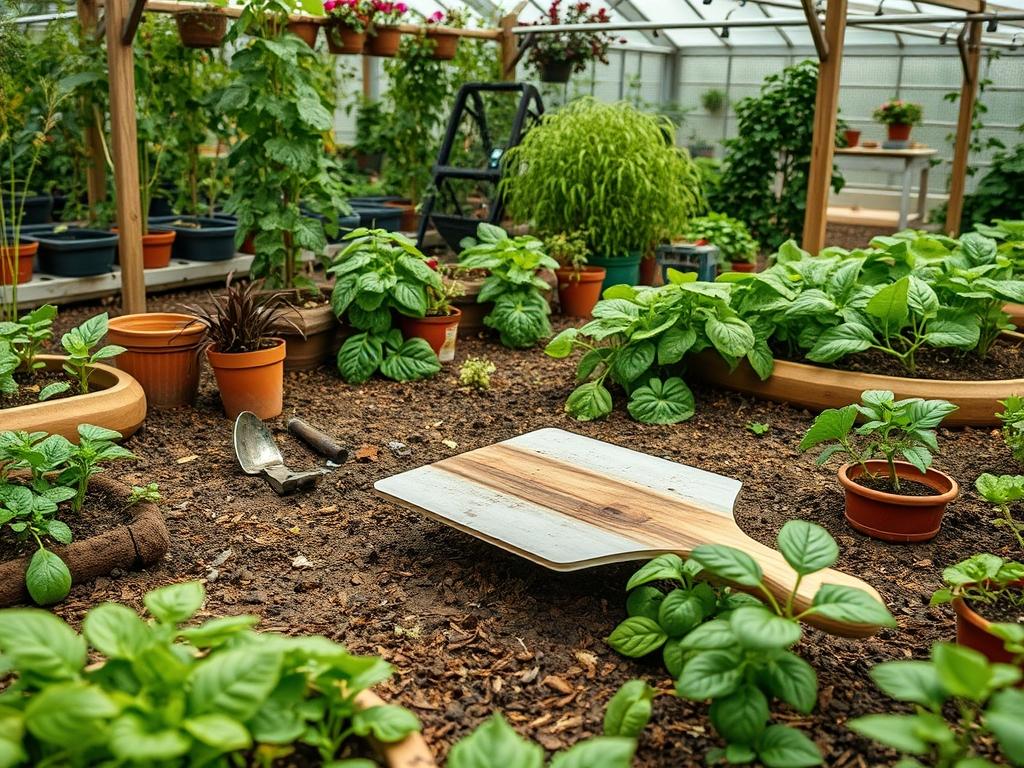
Professional landscaping requires a synthesis of aesthetic ambition and environmental pragmatism. When a homeowner transitions from indoor cooking to an outdoor culinary lifestyle, the surrounding environment must evolve to accommodate new traffic patterns, heat sources, and social dynamics. A comprehensive Backyard Pizza Peel Guide might teach you how to manage a wood-fired oven, but a master landscape plan ensures that the oven stands on a stable, well drained, and visually cohesive foundation. The primary challenge involves balancing the structural requirements of heavy hardscaping with the biological needs of a thriving garden. Climate considerations play a decisive role; for instance, an outdoor kitchen in a humid coastal region needs salt-tolerant species and high-quality Stainless Steel fixtures, while an arid climate requires xeriscaping and efficient Drip Irrigation systems. Achieving high curb appeal while maintaining outdoor functionality requires a deep understanding of site grading and spatial psychology. Every element, from the placement of Flagstone paths to the selection of Native Ornamental Grasses, contributes to a garden that feels intentional rather than accidental.
Landscape Design Principles
Effective landscape design relies on the core concepts of symmetry and visual balance to guide the eye across the property. When planning a space centered around an outdoor oven, the oven itself often serves as the primary focal point. To prevent the space from feeling lopsided, designers use elevation layers to create depth. This involves placing taller Evergreen Trees or Privacy Hedges in the background, mid-sized Flowering Shrubs in the center, and low-growing Groundcovers near the edges of walkways. Irrigation planning must be integrated into the initial blueprint rather than added as an afterthought. Subsurface lines should be mapped to avoid interference with Hardscape Foundations or subterranean utility lines.
Walkways are the circulatory system of the backyard. They should be at least 36 inches wide to allow for comfortable movement, especially when carrying heavy trays or navigating a Backyard Pizza Peel Guide and its associated tools. Using materials like Decomposed Granite or Permeable Pavers ensures that water infiltrates the soil rather than pooling on the surface. Visual balance is further achieved through the repetition of textures. If you use Rough-Hewn Stone for a retaining wall, incorporating similar materials into a fireplace or seating area creates a sense of continuity that grounds the entire design.
Plant and Material Selection
Selecting the right biological and structural components is the difference between a garden that flourishes and one that requires constant intervention. Below is a selection of plants suited for modern, functional landscapes.
| Plant Type | Sun Exposure | Soil Needs | Water Demand | Growth Speed | Maintenance Level |
| :— | :— | :— | :— | :— | :— |
| Lavandula angustifolia | Full Sun | Well-Drained | Low | Moderate | Low |
| Buxus sempervirens | Partial to Full | Loamy | Moderate | Slow | Medium |
| Echinacea purpurea | Full Sun | Diverse | Low | Fast | Low |
| Miscanthus sinensis | Full Sun | Moist/Well-Drained | Moderate | Fast | Low |
| Acer palmatum | Dappled Shade | Acidic/Rich | Moderate | Slow | Medium |
| Rosmarinus officinalis | Full Sun | Sandy/Gritty | Low | Moderate | Low |
For hardscaping, the choice of materials should reflect the durability required for high-heat environments. Fire Bricks are essential for the oven interior, while Natural Slate or Poured Concrete provides a heat-resistant surface for prep areas. When selecting mulch, Cedar Bark is often preferred for its insect-repellent properties and slow decomposition rate, though Inorganic Gravel Mulch is safer in high-fire-risk zones.
Implementation Strategy
The transition from a two-dimensional plan to a three-dimensional landscape begins with accurate grading. A slope of at least 2 percent away from the home and outdoor kitchen structure is necessary to prevent foundation damage. Once the site is leveled, installers should mark the boundaries for Steel Edging, which provides a crisp line between turf and planting beds. For the hardscape zones, a base of 4 inches of Compacted Gravel followed by 2 inches of Leveling Sand provides the stability needed to prevent pavers from shifting over time.
Drainage is the most critical technical component of the implementation phase. French Drains or Catch Basins should be installed in low-lying areas where water naturally collects. When it comes to the planting beds, a minimum of 3 inches of organic mulch should be applied to retain moisture and suppress weeds, though it must be kept a few inches away from the trunks of Woody Perennials to prevent rot. Finally, the installation of Low-Voltage LED Lighting along paths and near the pizza oven ensures safety during evening use, highlighting the architectural features of the garden after sunset.
Common Landscaping Failures
The most frequent error in residential landscaping is improper drainage management. When water is allowed to stagnate, it leads to soil compaction and root asphyxiation, eventually killing even the hardiest Ilex crenata hedges. Another common pitfall is root overcrowding. Homeowners often buy plants based on their size at the nursery without considering their mature spread. A Leyland Cypress planted two feet from a fence will eventually buckle the structure and require expensive removal.
Improper spacing also affects air circulation, which is a primary contributor to fungal diseases like powdery mildew. Furthermore, many novice planners fail to account for the weight of outdoor ovens and heavy stone tables. Without a reinforced Concrete Pad of at least 6 inches in thickness, these structures will sink, causing cracks in the surrounding masonry. Lastly, irrigation inefficiencies, such as spray heads that hit the siding of the house instead of the root zones, lead to both water waste and structural rot over time.
Seasonal Maintenance
A landscape is a living entity that requires specific care as the seasons shift. In the spring, the focus should be on Soil Aeration and the application of a Slow-Release Fertilizer. This is also the time to prune any winter damage from Deciduous Trees. As summer arrives, the priority shifts to water management. Deep watering during the early morning hours reduces evaporation and ensures that Fescue Turf survives periods of intense heat.
Autumn is the ideal window for planting new Perennials and bulb species, as the cooler air and warm soil encourage rapid root development. Leaf litter should be cleared regularly from Drainage Grates to prevent autumn storms from causing localized flooding. During the winter, maintenance involves protecting sensitive plants from frost using Burlap Wraps. It is also the perfect time to clean and oil landscaping tools, including Hand Pruners and Loppers, and to review your Backyard Pizza Peel Guide so you are ready to resume outdoor cooking as soon as the ground thaws.
Professional Landscaping FAQ
How do I choose between natural stone and concrete pavers?
Natural stone offers unique aesthetics and longevity, while concrete pavers provide uniformity and easier installation. Consider your budget and the architectural style of your home. Stone typically requires a higher initial investment but gains character as it ages.
What is the best way to prevent weeds in gravel paths?
Install a heavy-duty Landscape Fabric beneath the gravel layer. Ensure the edges are tucked tightly against your Aluminum Edging. Regular applications of white vinegar or manual weeding will keep the few wind-borne seeds from establishing deep roots.
How often should I mulch my garden beds?
Apply a fresh layer of Organic Mulch every spring to maintain a consistent 3-inch depth. This regulates soil temperature and adds nutrients as it breaks down. Avoid “mulch volcanoes” by keeping the material away from tree trunks.
Can I install a pizza oven on an existing wooden deck?
Most wooden decks are not rated for the extreme weight of a masonry oven. You must consult a structural engineer to add Support Posts and possibly a non-combustible Hearth Pad to meet safety codes.
Why are my newly planted shrubs turning yellow?
Yellowing, or chlorosis, usually indicates overwatering or poor drainage. Check the soil moisture at a 4-inch depth. If the soil is saturated, you may need to adjust your Irrigation Controller or improve the local soil porosity.