
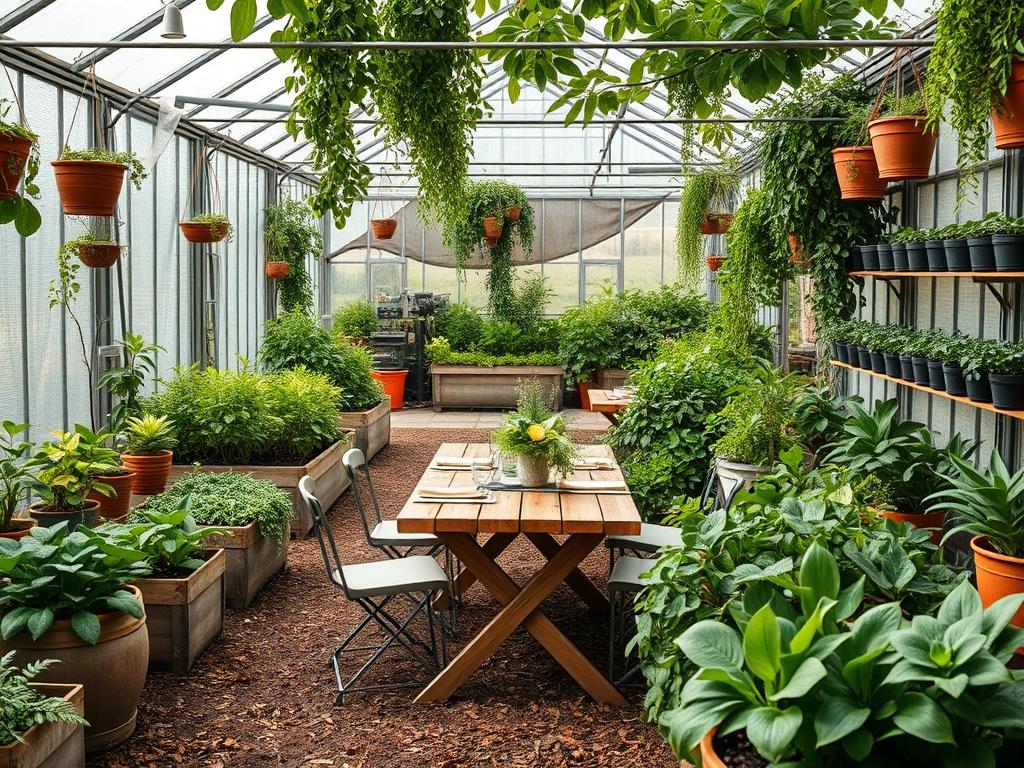
Designing a refined environment for outdoor dining setups requires a sophisticated understanding of spatial ergonomics, horticulture, and site engineering. The primary challenge in modern landscape architecture lies in the seamless integration of rigid architectural lines with the fluid, organic forms of the natural world. A well executed backyard layout does more than just provide a place to sit; it serves as a functional extension of the home that increases property value and enhances curb appeal. When planning these spaces, one must account for fluctuating climate conditions, wind patterns, and the trajectory of the sun to ensure that the dining area remains comfortable during peak hours. A successful layout balances privacy with openness, using vertical elements to screen neighbors while maintaining views of the broader garden. Functional goals should prioritize accessibility and flow, ensuring that the transition from the kitchen to the outdoor table is intuitive and unobstructed.
Landscape Design Principles
The foundation of a high end outdoor dining area rests on the principle of visual balance and symmetry. Designers often use a central focal point, such as a custom Teak Dining Table or a sculptural water feature, to anchor the space. These elements draw the eye and provide a sense of purpose to the layout. Elevation layers play a critical role in defining the dining zone; a slightly raised stone terrace or a recessed patio can create a distinct “room” without the need for walls. By manipulating the ground plane, you differentiate the active dining area from the passive garden beds.
Walkways should be designed with a minimum width of 36 inches to allow for comfortable passage. Using materials like Blue Stone Pavers or Decomposed Granite provides a stable surface that complements modern aesthetics. Irrigation planning must be integrated into the early design phase to avoid water runoff interfering with the dining furniture. Subsurface drip systems are preferred over traditional spray heads near seating areas to prevent over-spray and mineral staining on hardscaping. Furthermore, lighting should be layered, combining task lighting over the table with soft ambient lighting in the surrounding foliage to create depth after sunset.
Plant and Material Selection
Choosing the right vegetation involves more than just aesthetics; it requires a deep understanding of the local microclimate and soil composition. For dining areas, it is essential to select plants that do not drop excessive debris, such as sap or heavy fruit, which could ruin outdoor upholstery.
| Plant Type | Sun Exposure | Soil Needs | Water Demand | Growth Speed | Maintenance Level |
| :— | :— | :— | :— | :— | :— |
| English Lavender | Full Sun | Well-Drained | Low | Moderate | Low |
| Japanese Boxwood | Full or Part | Loamy | Moderate | Slow | Medium |
| Fountain Grass | Full Sun | Adaptable | Low | Fast | Low |
| Emerald Green Arborvitae | Full or Part | Moist/Rich | Moderate | Moderate | Low |
| Star Jasmine | Full or Part | Fertile | Moderate | Fast | Medium |
| Japanese Maple | Partial Shade | Slightly Acidic | High | Slow | Medium |
Beyond plants, the selection of hardscape materials dictates the longevity of the setup. Porcelain Pavers are increasingly popular for modern layouts because they are non-porous and resistant to spills. For a more organic feel, Thermally Modified Ash decking provides the warmth of wood with enhanced durability against rot and insect damage.
Implementation Strategy
The successful execution of outdoor dining setups begins with thorough site preparation. Grading is the most critical step; the ground must be sloped at a 2 percent grade away from the home and any structural foundations to ensure proper drainage. Once the area is leveled, technicians should install a high quality Geotextile Fabric over the subgrade. This prevents the mixing of soil with the base material, ensuring the long term stability of the patio.
For the base, a 4 inch layer of compacted Crushed Limestone provides a rigid foundation. Edging is then installed using Steel Edging or Heavy-Duty Plastic Benders to keep the pavers or gravel in place. When planting the perimeter, ensure that Hardwood Mulch is applied at a depth of 3 inches but kept away from the direct base of plant stems to avoid rot. If a retaining wall is necessary for elevation changes, it should include Perforated Drain Pipe behind the wall to alleviate hydrostatic pressure. Finally, the furniture should be placed with at least 48 inches of clearance from the table edge to the nearest planter or wall, allowing guests to move chairs freely without feeling cramped.
Common Landscaping Failures
Many homeowners encounter significant issues when they ignore the physics of the site. One of the most frequent mistakes is improper drainage planning, which leads to the “bathtub effect” where water pools underneath pavers or within planting pockets. This can cause the ground to heave during freeze-thaw cycles, displacing expensive stonework. Another common failure is root overcrowding. Planting large species like Silver Maples too close to dining foundations can lead to root systems lifting heavy stone slabs or cracking concrete within a few years.
Improper spacing of plants often results from a desire for “instant” privacy. When plants are installed too close together, they compete for nutrients and airflow, leading to fungal diseases and stunted growth. Soil compaction is another hidden enemy; during construction, heavy machinery can crush the soil structure, making it nearly impossible for roots to penetrate or for water to drain. Finally, failing to adjust irrigation for the specific needs of the plants can lead to both over-watering and underwatering, compromising the lush backdrop required for a premium dining experience.
Seasonal Maintenance
A pristine landscape requires a structured maintenance schedule tailored to the changing seasons. In the spring, the focus should be on soil health. Test the pH levels and apply a slow release fertilizer to promote vigorous growth. This is also the time to prune any winter damage from Boxwood hedges and to refresh the Mulch layers to suppress weed growth before the summer heat arrives.
Summer maintenance centers on water management. During high temperatures, check the irrigation timers to ensure deep watering occurs in the early morning hours, which reduces evaporation loss. As autumn approaches, the task shifts to cleanup and preparation for dormancy. Clear fallen leaves quickly from the Outdoor Dining Setups to prevent staining on the stone or wood surfaces. Perennials should be cut back, and any delicate potted plants should be moved to sheltered locations. Throughout winter, the primary goal is protection. Avoid using harsh de-icing salts near garden beds, as the sodium can be toxic to most plant species. Instead, use sand or organic grit for traction on walkways.
Professional Landscaping FAQ
How do I choose the best location for a dining set?
Select a flat area with easy access to the kitchen. Consider natural shade from trees or the house, and ensure the spot is protected from prevailing winds. Maintain a minimum 5 foot buffer from high traffic lawn areas.
What is the best material for a low maintenance patio?
Porcelain Pavers are the gold standard for low maintenance. They resist fading, scratching, and staining. Unlike natural stone, they do not require regular sealing and can be easily cleaned with a simple Power Washer or mild detergent.
How can I create privacy without building high walls?
Utilize “living walls” made of Emerald Green Arborvitae or climbing Star Jasmine on a trellis. These provide a lush, green screen that absorbs sound and creates a sense of seclusion while still allowing for natural airflow and light.
Do I need a professional drainage system for my patio?
Almost always. Without a dedicated drainage plan involving a French Drain or specialized grading, water will collect against the foundation or under the furniture. Proper drainage protects your investment from erosion and prevents structural damage over time.
How much space is needed for an 8 person dining set?
An 8 person table requires a footprint of at least 12 feet by 16 feet. This allows for the table, chairs, and a 36 inch perimeter for movement. Always measure the furniture before finalizing the patio dimensions.