
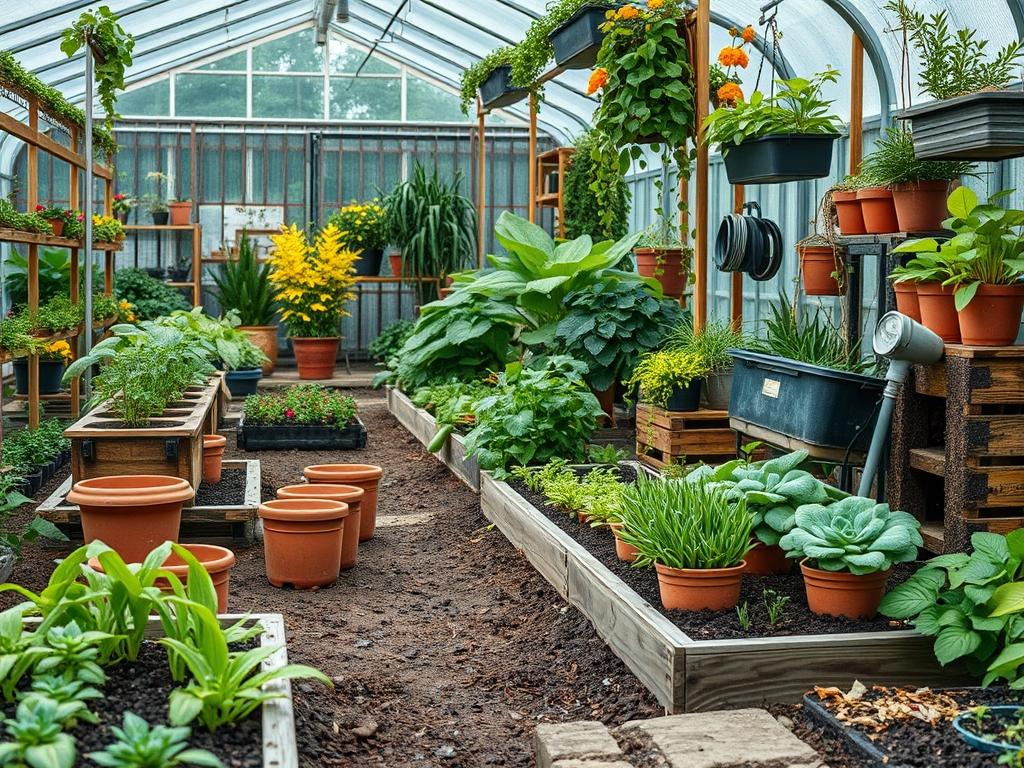
Achieving a pristine outdoor environment requires more than a simple weekend cleanup; it demands a fundamental shift in how we perceive spatial organization and site architecture. As landscape architects, we view backyard clutter not merely as misplaced items, but as a disruption of the visual and functional flow of the land. A disorganized yard often suffers from poor drainage, increased pest activity, and a significant reduction in property value. The challenge lies in balancing the utilitarian needs of a household with the aesthetic requirements of a high-end landscape. By integrating strategic backyard clutter solutions into the initial design phase, we can create a cohesive environment that remains orderly throughout the changing seasons. The climate of a region dictates the materials used for these solutions, as humidity can rot wooden structures while intense UV exposure can degrade plastics. Ultimately, our goal is to enhance curb appeal and outdoor functionality by ensuring every square foot of the property serves a deliberate purpose.
Landscape Design Principles
The foundation of a clutters-free yard is rooted in the core principles of landscape architecture: symmetry, focal points, and elevation layers. Symmetry provides a sense of order that naturally hides minor discrepancies in tidiness. By using mirrored plantings or matching retaining walls, we draw the eye toward intended features and away from utility areas. Focal points, such as a high-quality sculpture or a well-placed Japanese Maple, act as visual anchors. When the eye has a clear place to rest, the peripheral areas where tools or toys might reside become less noticeable.
Elevation layers allow for the physical separation of functions. Implementing a raised wooden deck or a sunken stone patio creates distinct “rooms” within the yard. This zoning is one of the most effective backyard clutter solutions because it designates specific areas for relaxation, dining, and storage. Furthermore, walkways constructed from flagstone or permeable pavers delineate traffic patterns, preventing the chaotic “trail-blazing” that leads to trampled grass and scattered debris. Irrigation planning must also be integrated into these structures to ensure that water lines are buried at least 12 inches deep, preventing surface hoses from becoming a tripping hazard and a primary source of visual noise.
Plant and Material Selection
Choosing the right biological and structural components is vital for maintaining a clean aesthetic. Low-maintenance plants reduce the amount of green waste, such as fallen leaves and spent blooms, that contributes to a cluttered appearance.
| Plant Type | Sun Exposure | Soil Needs | Water Demand | Growth Speed | Maintenance Level |
| :— | :— | :— | :— | :— | :— |
| Boxwood (Buxus) | Full Sun to Part Shade | Well-drained, Loamy | Moderate | Slow | Low |
| Blue Star Creeper | Full Sun to Part Shade | Moist, Fertile | Moderate | Medium | Low |
| Dwarf Fountain Grass | Full Sun | Adaptable | Low | Fast | Medium |
| Japanese Yew | Shade to Part Sun | Well-drained | Moderate | Slow | Very Low |
| Lavender | Full Sun | Gritty, Alkaline | Low | Medium | Medium |
| Pachysandra | Full Shade | Acidic, Moist | Moderate | Medium | Low |
Implementation Strategy
The transition from a cluttered lot to a structured landscape begins with site preparation and grading. Proper grading ensures that water flows away from the home and storage structures, preventing the pooling that ruins gear and attracts insects. Once the site is leveled, we recommend installing steel edging or heavy-duty plastic benders to create crisp lines between lawn and garden beds. This prevents grass from encroaching on gravel paths and clearly defines where “items” should not be placed.
Next, implement the layer of wood chip mulch or crushed slate at a depth of at least 3 inches to suppress weeds and provide a uniform background color. For storage, consider building custom privacy screens using cedar slats to hide HVAC units, trash bins, and pool pumps. These screens should be set on concrete footings to ensure longevity. Another critical solution involves the use of multi-functional furniture, such as stone benches with hollow interiors or decks with integrated trap-door storage for pool covers and seasonal cushions. Finally, install vertical tool racks inside a small, aesthetically matching shed to keep long-handled tools like a leaf rake or shoveling spade off the ground.
Common Landscaping Failures
Many homeowners face recurring clutter problems due to fundamental technical errors. Drainage mistakes are the most common; when a yard does not drain properly, homeowners often leave planks of wood or temporary bridges scattered about to navigate the mud. Root overcrowding is another failure. Planting a tree too close to a walkway will eventually lift the pavers, creating an uneven, messy surface that collects dirt and leaves.
Improper spacing of shrubs often leads to a “wall of overgrown green” that feels heavy and disorganized. To avoid this, research the mature width of each species and plant them accordingly. Soil compaction is another hidden issue; when soil is packed too tightly by heavy foot traffic or stored equipment, it prevents water absorption, leading to surface runoff that washes mulch onto clean patios. Lastly, irrigation inefficiencies, such as leaky sprinkler heads or hoses left on the lawn, create damp spots that rot wooden fencing and garden furniture, contributing to a dilapidated look over time.
Seasonal Maintenance
A clean yard is a year-round commitment. In the spring, the focus should be on “the big clear out.” This involves using a power blower to remove debris from corners where it accumulated during the winter and replenishing mulch levels. Prune any deadwood from trees and shrubs using a bypass lopper to keep the silhouettes sharp. Summer maintenance revolves around containment; as plants grow rapidly, they must be edged and trimmed bi-weekly to prevent them from spilling over into walkways.
Autumn requires a systematic approach to leaf management. Instead of letting leaves sit and suffocate the turf, use a mulching mower to return nutrients to the soil or collect them in a designated composting bin hidden in the “utility zone.” Winter is the time for structural audits. Check that your storage boxes are watertight and that heavy snow loads aren’t bowing your privacy screens. Applying a coat of sealant to wooden storage units during the dry winter months will prolong their life and maintain their professional finish.
Professional Landscaping FAQ
How can I hide my trash cans without building an expensive shed?
Install a three-sided modular fence panel system using pressure-treated lumber or composite materials. This creates a visual barrier while allowing easy access for pickup days. Setting the bins on a gravel pad prevents mud buildup around the containers.
What is the best way to store garden hoses permanently?
Utilize wall-mounted, retractable hose reels or decorative stone pots specifically designed for hose storage. This keeps the rubber hose out of the sun, which prevents cracking, and removes a major tripping hazard from the lawn and patio surface.
Can I use plants to manage backyard clutter?
Yes, dense evergreens like Boxwood or Privet can be grown into living walls. These hedges act as natural partitions that hide play equipment or compost piles, providing a soft, green aesthetic that effectively masks functional but unsightly areas of the yard.
How do I prevent my gravel paths from looking messy over time?
Install a high-quality geotextile fabric beneath the gravel to prevent weed growth and use a mechanical tamper to compact the sub-base. Deep metal edging will specifically prevent the stones from migrating into your lawn or garden beds.
Is vertical storage effective for small backyards?
Absolutely. Utilizing vertical space via wall-mounted racks for shovels, rakes, and ladders frees up valuable square footage. In small environments, every inch of horizontal space is premium; floating shelves and vertical planters keep the ground clear and the site organized.