
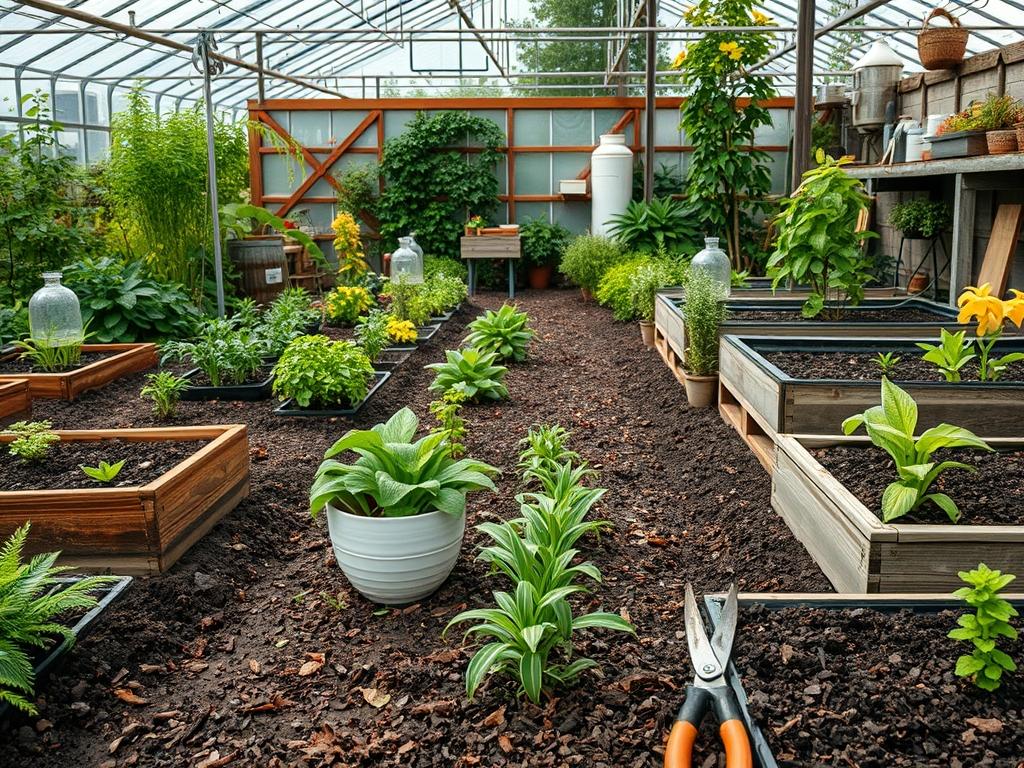
Pet owners often face a complex dilemma when balancing aesthetic curb appeal with the safety of their companions. Traditional landscaping often relies on materials that, while visually striking, harbor hidden dangers for dogs and cats. Selecting non-toxic backyard mulches is more than a horticultural choice; it is a fundamental safety protocol for the modern outdoor environment. A well-designed landscape must achieve harmony between human functionality and animal welfare. This requires a deep understanding of material composition, chemical treatment, and the biological risks associated with common garden additives. When we design for a pet-friendly household, we prioritize high-contrast textures and defined boundaries that guide movement without introducing toxic hazards. The environment must withstand the heavy traffic of paws while maintaining the structural integrity of the soil and plant beds. Through the careful selection of undyed wood chips, pine bark nuggets, and river rock, a homeowner can create a sophisticated outdoor room that serves as a sanctuary for every member of the family.
Climate considerations play a pivotal role in this selection process. In humid regions, certain organic mulches can become breeding grounds for mold or fungi, some of which are harmful if ingested. Conversely, in arid climates, the choice of mulch impacts the moisture retention of the root zone and the ambient temperature of the ground surface. A dense, dark mulch may absorb excessive heat, potentially burning sensitive paw pads during the peak of summer. Therefore, the implementation of a professional-grade landscape requires an evaluation of thermal conductivity and microbial stability. By integrating professional design principles with a safety-first mindset, we ensure that the garden remains a vibrant, healthy extension of the home.
Landscape Design Principles
Professional landscape architecture relies on six core pillars to create a cohesive environment. Symmetry and visual balance provide the framework for a professional look. While perfect mirror-symmetry is rarely necessary, maintaining a balanced distribution of mass and color prevents the yard from feeling lopsided. For pet owners, this can be achieved by using non-toxic backyard mulches to create crisp, defined lines between turf areas and planting beds. These visual boundaries help train animals to stay on designated paths, protecting delicate flora from trampling.
Focal points and elevation layers add depth and sophistication. A strategically placed stone monolith or a specimen tree like a Crepe Myrtle draws the eye upward, distracts from ground-level wear, and provides a sense of vertical scale. Incorporating varying levels of elevation through the use of retaining walls or raised planters can also serve a functional purpose. By elevating planting beds to twenty-four inches, you naturally discourage dogs from digging into the root systems. Irrigation planning must also be integrated into the initial design. Sub-surface drip irrigation is particularly effective in pet-friendly gardens because it delivers water directly to the soil, keeping the surface mulch dry and less attractive for digging or rolling. Walkway design should utilize materials that are soft on the feet but durable enough for high-speed activity; fine-screened gravel or smooth river stones are excellent choices for these transition zones.
Plant and Material Selection
Choosing the right flora is just as critical as selecting the mulch itself. The following table provides a guide for selecting pet-safe greenery that thrives in various conditions while complementing the use of organic cedar mulch or pine bark.
| Plant Type | Sun Exposure | Soil Needs | Water Demand | Growth Speed | Maintenance Level |
| :— | :— | :— | :— | :— | :— |
| Blue Fescue | Full Sun | Well-drained | Low | Moderate | Low |
| Snapdragons | Full Sun | Rich / Loamy | Medium | Fast | Moderate |
| Camellia | Partial Shade | Acidic | Medium | Slow | Moderate |
| Zinnia | Full Sun | Fertile | Medium | Fast | Low |
| Boston Fern | Shade | Moist / Peaty | High | Fast | Medium |
| Spider Plant | Partial Shade | General Purpose | Medium | Fast | Low |
| Marigolds | Full Sun | Well-drained | Medium | Fast | Low |
When selecting mulching materials, several factors must be considered beyond toxicity. Cedar mulch is highly prized for its natural insect-repellent properties; however, it should be used in its natural form without chemical dyes. Pine bark nuggets provide excellent drainage and are generally too large for most pets to consider eating. For those seeking a permanent solution, pea gravel or river rock offers a non-organic alternative that eliminates the risk of fungal growth and ingestion entirely. Avoid cocoa bean shells at all costs, as they contain theobromine, the same compound in chocolate that is lethally toxic to dogs.
Implementation Strategy
The process of installing a pet-friendly landscape begins with rigorous site preparation. First, the area must be cleared of all existing weeds and debris using a garden rake and a flat-head shovel. Grading is the most critical step; ensure the land slopes away from the home at a rate of at least two percent to prevent water pooling. If the soil is heavy clay, integrate expanded shale or organic compost to improve soil percolation before laying down any mulch.
Once the surface is graded, install a high-quality geotextile fabric as an underlayment. This prevents the mulch from mixing with the raw soil and acts as a barrier against persistent weeds. Secure the fabric with six-inch landscape staples. For the edging, select a sturdy material such as steel edging, brick pavers, or natural stone to create a physical lip that keeps the mulch contained. When applying the non-toxic backyard mulches, aim for a consistent depth of three inches. This thickness is sufficient to suppress weed growth and retain moisture while remaining shallow enough to allow the soil to breathe. In high-traffic canine areas, consider an even deeper layer of wood chips to cushion the impact on the ground and prevent soil compaction. Finally, wrap up the installation by watering the area thoroughly. This settles the material and reduces dust, which can be irritating to an animal’s respiratory system.
Common Landscaping Failures
One of the most frequent errors in garden planning is the failure to address drainage properly. When water stagnates beneath the mulch, it creates a foul-smelling environment that attracts insects and promotes the growth of toxic slime molds. This is often caused by improper grading or the use of plastic sheeting instead of breathable landscape fabric. Another common mistake is the “mulch volcano,” where material is piled high against the trunks of trees. This practice traps moisture against the bark, leading to rot and providing a highway for wood-boring pests. Mulch should always be kept several inches away from the base of any woody plant.
Root overcrowding and improper spacing also lead to long-term failure. Homeowners often plant for immediate visual impact, forgetting the mature width of the species. Overcrowded plants compete for nutrients and water, leading to a stressed landscape that is more susceptible to disease. Furthermore, the use of dyed mulches should be avoided. The chemicals used to produce vibrant reds and blacks can leach into the soil and may be harmful if a pet licks their paws after walking on the wet material. Lastly, soil compaction is a major issue in yards with large dogs. Without a thick layer of protective mulch or a designated “run” area, the soil can become as hard as concrete, preventing oxygen from reaching the roots of nearby plants and causing them to slowly decline.
Seasonal Maintenance
Landscape management is a year-round responsibility that changes with the cycles of the sun and rain. In the spring, the primary focus is on replenishment and rejuvenation. Inspect the depth of the mulch and add a fresh one-inch layer of natural wood chips to bring it back to the required three-inch standard. This is also the time to apply a pet-safe, slow-release fertilizer to the planting beds. During the summer, the priority shifts to irrigation management. Check for “hot spots” where the mulch may be drying out too quickly and causing plant stress. Use a soil moisture meter to ensure the hydration levels are consistent.
Autumn is the season for clean-up. Fallen leaves should be removed or shredded; leaving thick mats of leaves on top of your mulch can create a barrier that prevents water from reaching the soil and provides a nesting site for rodents. Use a leaf blower on a low setting or a flexible rake to clear the surface. Winter maintenance involves protecting the soil from the freeze-thaw cycle. In colder climates, an extra layer of pine needles or straw can provide additional insulation for the root zones of sensitive perennials. If you use de-icing salts on walkways, ensure they are pet-safe and try to prevent the runoff from entering your mulched beds, as salt accumulation can be toxic to both the soil biome and your pets.
Professional Landscaping FAQ
Is cedar mulch safe for all dogs?
Generally, yes. Natural cedar mulch is safe and resists pests. However, some dogs may have skin sensitivities to the natural oils. Always monitor your pet when introducing a new material to their environment to ensure no allergic reactions occur.
How deep should I spread pet-friendly mulch?
A depth of three inches is the industry standard for optimal performance. This provides sufficient weed suppression and moisture retention without suffocating the soil or attracting nesting pests that might provoke your pet into digging.
Can I use gravel instead of organic mulch?
Pea gravel and river rock are excellent non-toxic alternatives. They do not decompose, meaning they do not support fungal growth. However, they can retain significant heat in direct sun, so use them in shaded areas or for walkways.
What is the danger of cocoa mulch?
Cocoa mulch contains residual levels of theobromine and caffeine. Both are highly toxic to dogs and cats if ingested. Additionally, its chocolate-like scent is very attractive to animals, making it a high-risk material for any pet-inhabited yard.
How often should I replace non-toxic wood mulch?
Organic mulches like pine bark or cedar should be topped off annually and fully replaced every three years. This ensures the material continues to provide aesthetic value and effective soil protection as it naturally breaks down over time.