
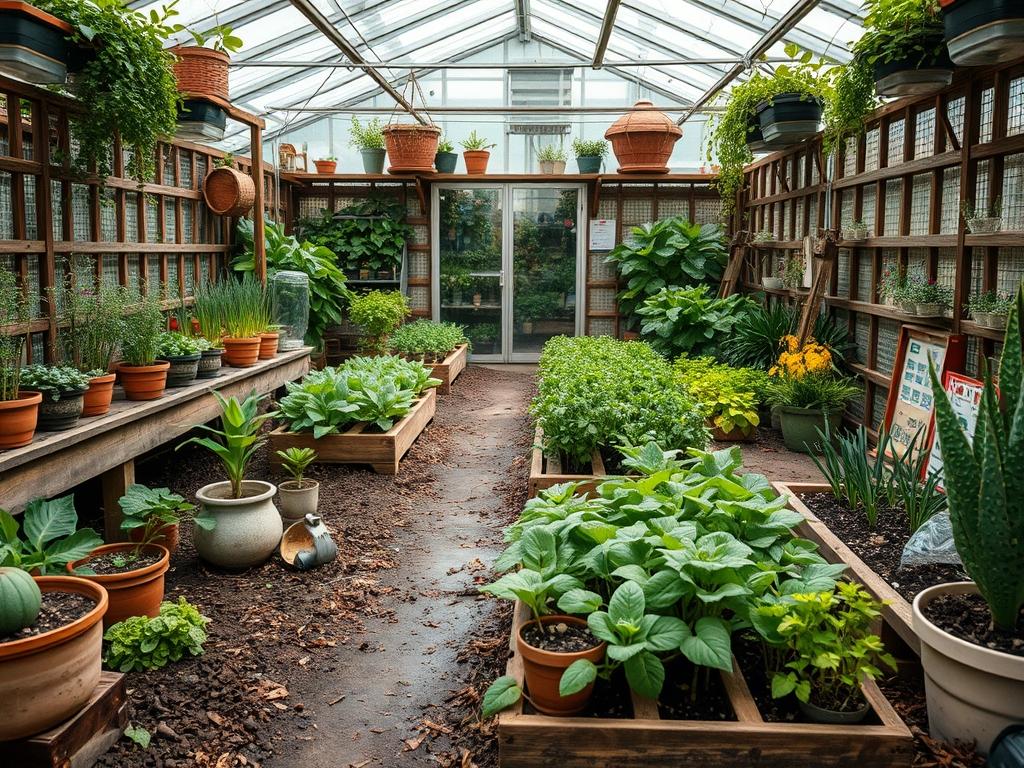
Designing a restricted outdoor space requires a shift in perspective from traditional suburban sprawl to high-density efficiency. The modern homeowner often faces the challenge of a compact lot where every square inch must justify its existence through both form and function. When executing Tiny Backyard Layout Ideas, the primary objective is to dissolve the perceived physical boundaries of the property while maintaining distinct zones for relaxation, dining, and circulation. Climate considerations play a pivotal role here; a design that thrives in the humid Southeast may feel claustrophobic or impractical in the arid Southwest. Beyond aesthetics, the curb appeal of a well-planned backyard significantly impacts property valuation, turning a neglected patch of dirt into a premium outdoor living room. The integration of drainage systems and structural integrity ensures that these environments remain sustainable and safe for year-to-year use.
Landscape Design Principles
Successful small-scale landscaping hinges on the concept of visual expansion. Symmetry creates a sense of order that can make a frantic space feel tranquil, while focal points draw the eye to specific coordinates, preventing the viewer from scanning the entire perimeter and noting its limitations. One of the most effective Tiny Backyard Layout Ideas involves the use of diagonal lines. By laying pavers or decking boards at a 45-degree angle to the house, the longest lines of the yard are emphasized, creating an optical illusion of greater width.
Elevation layers are equally critical. A flat yard feels static, but introducing a sunken patio or a raised retaining wall built from Cinder blocks and stone veneer adds a three-dimensional quality that suggests more space than actually exists. Irrigation planning must be discretized at the design phase. For small yards, a drip irrigation system is superior to traditional spray heads because it delivers moisture directly to the root ball without wasting water on hardscaping or creating high-humidity zones that encourage fungal growth.
Consider the placement of walkways. Instead of a wide, straight path that bisects the yard, a winding path made of flagstone and decomposed granite can create “discovery moments.” This forces a slower pace of movement, making the journey through the yard feel longer and more substantial. Finally, visual balance is achieved by pairing heavy elements, like a wrought iron dining set, with lighter materials like transparent acrylic chairs or wire-frame planters that do not block the line of sight across the ground plane.
Plant and Material Selection
| Plant Type | Sun Exposure | Soil Needs | Water Demand | Growth Speed | Maintenance Level |
| :— | :— | :— | :— | :— | :— |
| Boxwood (Buxus) | Full Sun to Shade | Well-Drained | Moderate | Slow | High (Trimming) |
| Star Jasmine | Full Sun to Part Shade | Loamy/Rich | Moderate | Fast | Moderate (Training) |
| Creeping Thyme | Full Sun | Sandy/Poor | Low | Medium | Low |
| Japanese Maple | Filtered Sun | Acidic/Moist | Moderate | Slow | Low |
| Lavender | Full Sun | Gritty/Alkaline | Low | Medium | Moderate (Deadheading) |
| Blue Star Creeper | Full Sun to Part Shade | Moist | High | Fast | Moderate |
| Dwarf Fountain Grass | Full Sun | Variable | Low | Fast | Low (Cut back yearly) |
Implementation Strategy
The transition from a conceptual sketch to a physical reality begins with professional grading. In a tiny backyard, even a 2-percent grade is vital for directing runoff away from the home foundation and toward a French drain or a designated rain garden. Once the site is leveled, use marking paint to trace the layout of your zones.
1. Hardscaping First: Excavate the area for your patio or walkway to a depth of 6 inches. Lay a 4-inch base of compacted gravel followed by 1 inch of leveling sand. Install your concrete pavers or natural stone, ensuring a tight fit to minimize weed growth.
2. Structural Edging: Use steel edging or heavy-duty plastic borders to separate planting beds from walking surfaces. This prevents mulch migration and creates the crisp lines necessary for a professional look.
3. Vertical Infrastructure: Install trellises or cedar privacy screens. These act as “living walls” when paired with climbing plants, providing privacy without the bulk of a 6-foot masonry wall.
4. Soil Prep and Planting: Amend existing soil with organic compost. When planting, ensure the top of the root ball is level with the soil surface. Space plants according to their mature width, not their size at the nursery.
5. Mulching: Apply a 3-inch layer of shredded hardwood mulch or pine bark nuggets. This regulates soil temperature and retains moisture, which is critical in small, high-exposure urban environments.
Common Landscaping Failures
The most frequent error in small-scale design is improper drainage. Without a clear exit strategy for water, a tiny yard can quickly become a marsh, leading to soil compaction and root rot. Many DIY installers overlook the importance of catch basins in low-lying areas, resulting in standing water that attracts pests.
Another pitfall is root overcrowding. Planting a tree that matures to a 30-foot canopy in a small courtyard will eventually lead to cracked hardscaping and damaged underground utilities. Always choose “dwarf” or “columnar” cultivars specifically bred for tight spaces. Furthermore, improper spacing often leads to a “wall of green” that suffocates smaller perennials. Irrigation inefficiencies also contribute to failure; using high-pressure sprinklers in a small area often results in over-saturation of the fence or house siding, leading to wood rot and staining.
Seasonal Maintenance
Seasonal care ensures the longevity of your investment and keeps the layout looking intentional. During the spring, focus on soil testing and neutralizing pH levels. Apply a slow-release fertilizer and prune any winter-damaged wood from your Boxwoods or Japanese Maples using bypass pruners.
In the summer, irrigation management is paramount. Monitor the soil moisture levels using a moisture meter to ensure your drip lines are functioning correctly. This is the peak time for weeding; consistent removal prevents invasive species from out-competing your ornamental selections.
Autumn is the season for “garden hygiene.” Clear fallen leaves using a leaf blower or rake to prevent them from matting down and killing your groundcover. This is also the ideal time for planting new perennials, as the cooler air and warm soil encourage rapid root establishment.
Winter involves protection and preparation. In colder climates, wrap sensitive plant species in burlap and shut down your irrigation system, blowing out the lines to prevent freeze damage. Use this dormant period to sharpen your loppers and plan any structural adjustments for the following year.
Professional Landscaping FAQ
What are the best materials for a small patio?
Concrete pavers, natural flagstone, and porcelain tiles are ideal. They offer durability and come in various sizes. Smaller units like brick or mosaic stone can help the area feel larger by increasing the number of individual elements in the field of vision.
How do I prevent my small yard from looking cluttered?
Stick to a limited color palette and use built-in furniture. A built-in cedar bench along a retaining wall saves floor space compared to a bulky dining set. Use verticality to keep the ground plane clear and emphasize open transit paths.
Can I have a water feature in a tiny backyard?
Yes, use a disappearing fountain or a small basalt bubbler. These features provide the soothing sound of moving water without the footprint of a traditional pond. They are also lower maintenance and safer for households with small children or pets.
How deep should my planting beds be?
Aim for at least 18 to 24 inches of depth for most perennials and shrubs. This allows enough room for a healthy root system and prevents the plants from feeling crowded against fences or walls. Proper depth also helps with moisture retention.
What is the fastest way to add privacy?
Install a vertical garden or a series of tall planter boxes with bamboo or Arborvitae. These provide immediate height. Alternatively, a lattice fence with fast-growing vines like Clematis can create a green screen within a single growing season.