
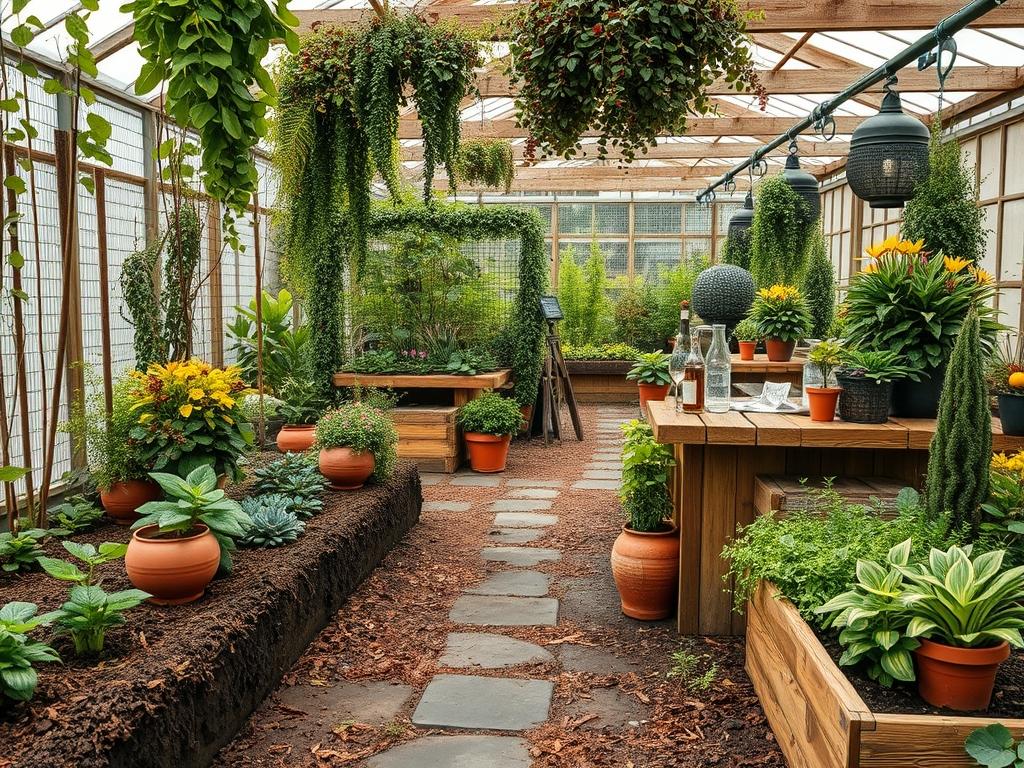
Creating a sophisticated outdoor wine bar requires a delicate balance between structural engineering and botanical artistry. The primary challenge in these projects lies in the integration of a fixed architectural feature into a living, breathing landscape that changes with the seasons. High-end clients often demand a space that feels both intimate for private tastings and expansive for hosting larger gatherings. Climate considerations play a pivotal role here; the design must account for temperature fluctuations that affect both the wine storage and the comfort of the guests. A well-executed plan enhances the curb appeal and value of the property while ensuring the functionality of a professional-grade hospitality space. This involves more than just placing a counter in a garden. It requires a deep understanding of site orientation, prevailing wind patterns, and the way light interacts with various surfaces throughout the day. By treating the outdoor wine bar as the anchor of the environment, designers can build a cohesive narrative that guides guests from the interior of the home out into a curated sanctuary.
Landscape Design Principles
The architecture of a luxury outdoor wine bar must rely on foundational principles such as symmetry and focal points to establish a sense of order. When conceptualizing the layout, the bar itself serves as the primary focal point, but it should be supported by secondary elements like a retaining wall or a structural hedgerow. Symmetrical planting of Italian Cypress can frame the bar area, creating a formal entryway that signals a transition in the space. Elevation layers are equally important. By elevating the bar on a natural stone plinth or a raised deck, you create a psychological distinction between the lounge area and the service hub. This elevation also assists with the installation of necessary utilities, allowing for easier routing of plumbing and electrical lines beneath the surface.
Visual balance is achieved by contrasting heavy hardscaping with soft, textured plantings. If the bar is constructed from dark granite or weathered steel, it should be surrounded by lighter foliage to prevent the space from feeling subterranean. Walkways are the arteries of the design. They should be wide enough for two people to pass comfortably, typically requiring a width of at least 48 inches. Using decomposed granite or large-format pavers for these paths ensures a stable surface for guests in formal footwear or servers carrying heavy trays. Furthermore, irrigation planning must be invisible. Drip irrigation systems should be buried beneath 3 inches of hardwood mulch to provide consistent moisture to the root zones without interrupting the aesthetic of the stone surfaces.
Plant and Material Selection
The following table outlines the botanical palette recommended for high-end outdoor wine environments. These selections focus on low-litter species to keep the bar area clean and fragrant varieties to enhance the sensory experience.
| Plant Type | Sun Exposure | Soil Needs | Water Demand | Growth Speed | Maintenance Level |
| :— | :— | :— | :— | :— | :— |
| Lavender (Lavandula) | Full Sun | Well-drained, Sandy | Low | Moderate | Low |
| Boxwood (Buxus) | Full to Part Sun | Loamy, Neutral pH | Moderate | Slow | Moderate |
| Star Jasmine (Trachelospermum) | Full to Part Sun | Rich, Well-drained | Moderate | Fast | Moderate |
| Blue Oat Grass (Helictotrichon) | Full Sun | Dry, Lean | Low | Moderate | Very Low |
| Olive Tree (Olea europaea) | Full Sun | Rocky, Well-drained | Very Low | Slow | Low |
| Creeping Thyme (Thymus) | Full Sun | Sandy, Gritty | Low | Moderate | Low |
For hardscaping, the materials must be non-porous and heat-resistant. Travertine is an excellent choice for flooring as it remains cool underfoot even in direct sunlight. For the bar counter, honed quartzite provides the elegance of marble with significantly higher durability against acidic wine spills.
Implementation Strategy
The construction phase begins with rigorous grading. The site should be sloped at a 2 percent grade away from the home and the bar structure to prevent water pooling. Once the level is established, the excavation for the foundation of the bar should reach the local frost line to prevent shifting. Use a plate compactor to stabilize the subgrade before laying down a 4-inch layer of crushed stone and a 2-inch layer of bedding sand.
Next, focus on the edging. Permanent edging made of heavy-gauge steel or poured concrete prevents the migration of gravel into the planting beds. When installing the hardscape, ensure the gaps between pavers are filled with polymeric sand to discourage weed growth and insect nesting. For the planting phase, dig holes that are twice the width of the root ball but no deeper than the container. This encourages lateral root growth, which is essential for stabilization in high-traffic zones. Finally, apply a 3-inch layer of organic mulch around the base of all plants, keeping the material at least 2 inches away from the trunk or stem to prevent rot. This mulch helps regulate soil temperature and retains the moisture provided by the automated irrigation timer.
Common Landscaping Failures
One of the most frequent mistakes in outdoor wine bar design is poor drainage management. Without integrated drains or a proper slope, water can collect at the base of the bar, leading to the degradation of cabinetry and the death of nearby plant life due to root rot. Another common issue is root overcrowding. Designers often plant too densely to achieve an immediate full look, but within three years, the plants begin to compete for nutrients, leading to a patchy and stressed appearance. Proper spacing, based on the mature width of the species, is vital for long-term health.
Soil compaction is another silent killer in high-end designs. The heavy equipment used to install stone counters or fire pits can crush the soil structure, leaving it anaerobic. Contractors must use plywood sheets or ground protection mats to distribute the weight of machinery during construction. Additionally, improper irrigation zoning often leads to failure. Mixing high-water plants like hydrangeas with drought-tolerant succulents on the same valve will result in one species being drowned while the other thrives. Each hydrozone must be mapped according to the specific needs of the plant material.
Seasonal Maintenance
A luxury landscape requires a proactive management schedule to maintain its pristine appearance. In the Spring, the focus is on rejuvenation. This is the time to prune boxwoods into their desired shapes using bypass pruners and to apply a balanced slow-release fertilizer to all ornamental beds. Test the irrigation system for leaks or clogged emitters before the summer heat arrives.
During the Summer, maintenance shifts to hydration and pest management. Check the moisture levels at a depth of 4 inches to ensure the soil is not drying out. If the wine bar area uses outdoor rugs, they should be cleaned weekly to prevent mold growth underneath. In Autumn, the goal is cleanup and preparation. Rake fallen leaves promptly to prevent staining on natural stone pavers. Cut back any perennials that have finished blooming and apply a fresh layer of mulch to insulate the roots for the coming cold. In Winter, focus on protection. If your bar features a sink or ice maker, the water lines must be blown out with compressed air to prevent bursting. Cover delicate furniture and ensure that any containers or pots are raised off the ground to prevent them from freezing to the surface.
Professional Landscaping FAQ
How do I prevent wine stains on natural stone walkways?
Use a high-penetration silane-based sealer on all stone surfaces. This creates a hydrophobic barrier that prevents liquids from soaking into the pores. Spills should still be blotted immediately with a damp cloth to maintain the stone’s integrity.
Which plants provide the best privacy for a wine bar?
Vertical yews or clumping bamboo offer dense, year-round foliage. These species grow tall and narrow, making them perfect for creating green walls in tight spaces without encroaching on the seating areas or the bar’s functionality.
Is lighting or irrigation more important for the initial budget?
Irrigation is the priority because it is structural. Fixing a failed plant or dry soil after the hardscaping is finished is costly. Low-voltage LED lighting can be easily added later using existing conduits if the initial budget is tight.
How deep should the base be for a heavy stone bar?
A heavy bar requires a 6-inch to 8-inch reinforced concrete pad over a compacted gravel base. This prevents the structure from settling unevenly, which could cause the stone countertop to crack or the cabinetry to become misaligned over time.
What is the best mulch for a formal garden bar?
Triple-shredded hardwood mulch in a dark brown or black finish provides a clean, professional look. It stays in place better than wood chips and decomposes slowly, adding beneficial organic matter to the soil without distracting from the plants.