
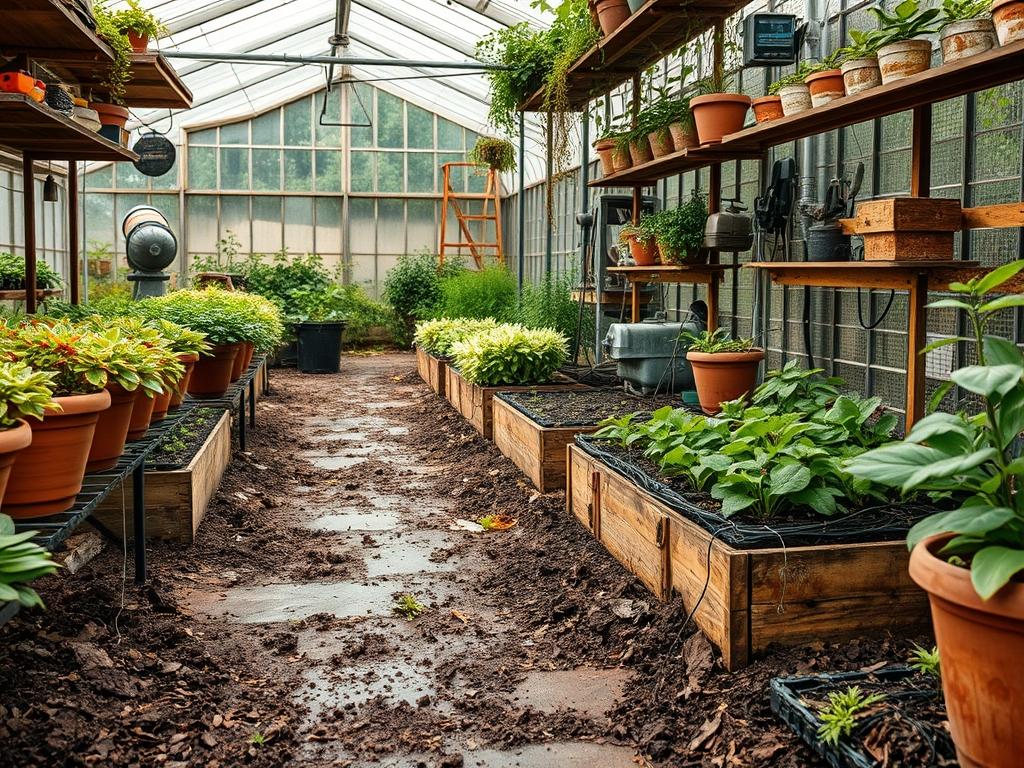
Transforming a neglected outdoor space into a functional sanctuary requires a shift in perspective, moving from reactionary maintenance to systematic restoration. Many homeowners find themselves overwhelmed by the accumulation of weathered surfaces, overgrown foliage, and failing infrastructure. This process, which we define as Backyard Rust Removal Basics, is not merely about scrubbing metal; it is the comprehensive act of stripping away years of environmental decay to reveal the structural potential of the land. A successful landscape is a blend of civil engineering and botanical artistry. When the foundational elements of a property start to degrade, the curb appeal evaporates and the outdoor living functionality diminishes. Addressing these issues requires a disciplined approach to site analysis and a keen understanding of how climate affects longevity.
The first step in any professional restoration is assessing the environmental stressors that have impacted the site. High humidity, erratic rainfall, and soil acidity can all contribute to the rapid decline of both hardscaping and softscaping elements. By focusing on the fundamentals of Backyard Rust Removal Basics, we look at the yard as a cohesive machine. If the drainage is clogged, the “engine” of the garden fails. If the soil is compacted, the “fuel” cannot reach the plants. This guide serves to navigate the complexities of site preparation, material selection, and long term management to ensure that your backyard remains a vibrant, high performing asset rather than a liability of iron oxide and weeds.
Landscape Design Principles
Effective landscape design relies on a framework of spatial organization that guides the eye and the body through the environment. Symmetry often serves as the anchor for formal gardens, creating a sense of order and tranquility. However, asymmetrical balance is frequently more effective in modern residential settings, where naturalistic groupings of native plants can soften the rigid lines of the home. To achieve this balance, one must identify a primary focal point. This could be a structural element like a retaining wall built from natural stone, or a botanical specimen such as a mature weeping willow.
Elevation layers are critical for adding depth to a flat lot. By utilizing terracing or raised planters, you create a three dimensional experience that makes a small yard feel significantly larger. These layers should be planned in conjunction with your irrigation needs. A well designed landscape incorporates drip irrigation lines hidden beneath the surface, ensuring that water is delivered directly to the root zones without wasting resources through evaporation or runoff.
Walkways should act as the circulatory system of the backyard. They govern the flow of movement and should be constructed using durable materials like decomposed granite, pavers, or flagstone. When planning these paths, consider the “desire lines” where people naturally walk. Forcing a ninety degree turn in a high traffic area often leads to grass compaction and “rusting” of the design intent. Proper walkway planning ensures that your focal points are viewed from the best possible angles while maintaining the practical utility of the space.
Plant and Material Selection
Selecting the right biological components is the most variable part of the landscaping process. The following table outlines hardy options that offer high visual impact with manageable maintenance profiles.
| Plant Type | Sun Exposure | Soil Needs | Water Demand | Growth Speed | Maintenance Level |
| :— | :— | :— | :— | :— | :— |
| Lavender | Full Sun | Sandy, Well-drained | Low | Moderate | Low |
| Boxwood | Full Sun to Part Shade | Loamy, Neutral pH | Medium | Slow | Moderate |
| Switchgrass | Full Sun | Diverse/Poor Soil | Low | Fast | Low |
| Hostas | Full Shade | Rich, Organic | High | Moderate | Low |
| Japanese Maple | Part Shade | Acidic, Well-drained | Medium | Slow | High |
| Coneflower | Full Sun | Well-drained | Low | Fast | Low |
Implementation Strategy
The transition from a blueprint to a physical garden requires a strict sequence of operations. The first phase is always site grading. You must ensure the land slopes away from the home at a minimum of a two percent grade to prevent foundation damage and water pooling. This is the bedrock of Backyard Rust Removal Basics, as poor drainage is the primary cause of rust on metal fixtures and rot in wooden structures. Once the grade is established, install any subsurface drainage systems such as French drains or catch basins in low lying areas.
Next, focus on edging and hardscaping. Define the borders of your flower beds using steel edging or poured concrete curbs. These barriers prevent the migration of turf grass into your ornamental areas. After the hardscape is set, prepare the soil by tilling in organic compost or leaf mold to a depth of at least 8 inches. This breaks up soil compaction and provides a nutrient rich environment for new root systems.
When it comes time to plant, follow the “thriller, filler, spiller” methodology for container gardens, or the “canopy, understory, groundcover” approach for larger beds. Once the plants are in the ground, apply a layer of shredded hardwood mulch at a depth of 3 inches. This mulch acts as a protective blanket, suppressing weeds, regulating soil temperature, and retaining moisture. Avoid mounding mulch against the trunks of trees, often called “mulch volcanoes,” as this traps moisture against the bark and invites fungal infections.
Common Landscaping Failures
The most frequent mistake in backyard restoration is ignoring the long term growth habits of plants. A Leyland Cypress might look perfect in a 3 gallon pot at the nursery, but within a decade, it can reach heights and widths that overwhelm a residential lot. Improper spacing leads to poor airflow, which creates a breeding ground for powdery mildew and spider mites. Always research the mature spread of a species before digging the hole.
Another critical failure is the neglect of soil health. Many homeowners assume that adding fertilizer is a cure-all, but if the soil is compacted to the point of being anaerobic, the roots cannot absorb the nutrients. Using heavy machinery during a renovation can squeeze the pore space out of the soil, effectively turning it into concrete. In these cases, core aeration is necessary to reintroduce oxygen to the underground ecosystem. Furthermore, inefficient irrigation often causes more harm than good. Overwatering leads to root rot, while shallow, frequent watering prevents roots from diving deep into the subsoil, making the plants less drought tolerant.
Seasonal Maintenance
A landscape is a living entity that requires different interventions throughout the calendar year. In the spring, the focus should be on “the great awakening.” This involves clearing away dead perennial stalks, refreshing the mulch layers, and applying a pre-emergent herbicide to catch weeds before they germinate. It is also the best time to calibrate your irrigation controller for the upcoming heat.
Summer maintenance is primarily about water management and pest control. During periods of extreme heat, deep watering should be performed in the early morning hours to minimize fungal growth. Monitor your ornamental grasses and shrubs for signs of desiccation or heat stress.
Autumn is the season for “planting and pruning.” The cooling soil temperatures and increased rainfall provide the ideal conditions for establishing new trees and shrubs. It is also the time to divide overcrowded perennials like daylilies or hostas. Removing fallen leaves is essential; if left on the turf, they can create a matted layer that suffocates the grass over the winter months.
Winter is the time for structural maintenance. While the plants are dormant, you can perform “renewal pruning” on deciduous trees to remove crossing or damaged branches. This is also the perfect window for Backyard Rust Removal Basics on your tools and furniture. Clean your shears, shovels, and metal benches, applying a protective coating of oil or paint to prevent the cycle of oxidation from starting again in the spring.
Professional Landscaping FAQ
How do I stop my metal garden furniture from rusting?
Clean the surface with a wire brush to remove existing flakes. Apply a high quality primer followed by an enamel based spray paint. Regular applications of automotive wax can provide an additional moisture barrier during the humid summer months.
What is the best way to improve yard drainage?
Install a French drain consisting of a perforated pipe buried in a trench filled with clean gravel. Ensure the pipe is wrapped in filter fabric to prevent silt from clogging the system and direct the exit point toward a safe discharge zone.
How often should I mulch my garden beds?
Apply a fresh 3-inch layer of organic mulch once per year, ideally in early spring. This replenishes the organic matter as the bottom layer decomposes into the soil while maintaining the aesthetic and moisture retention benefits of the top layer.
Why are my plants dying despite regular watering?
You may be overwatering or dealing with soil compaction. If the roots sit in standing water, they cannot breathe and will eventually rot. Use a soil moisture meter to check the actual saturation levels before adding more water to the system.
Which plants are best for low maintenance curb appeal?
Focus on native perennials and evergreen shrubs. Species like Coneflower, Little Bluestem, and Dwarf Yaupon Holly are adapted to local climates, requiring less supplemental water and fewer chemical interventions than exotic ornamental species or high maintenance turf grasses.