
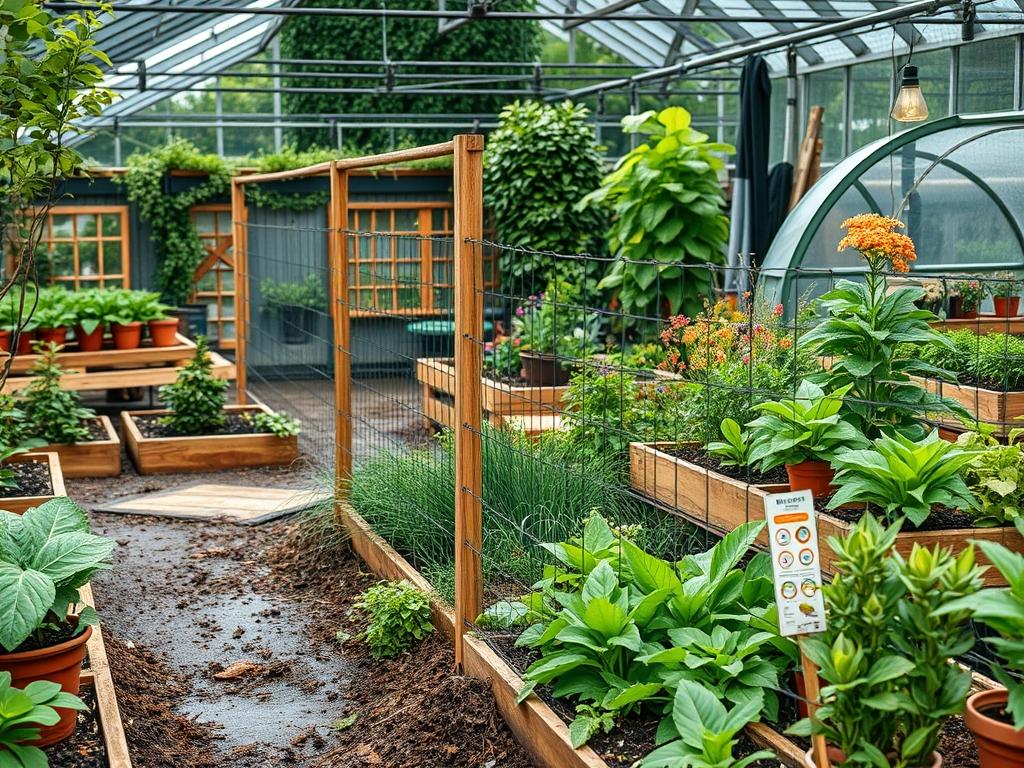
Designing a functional landscape that balances pet safety with sophisticated aesthetic appeal requires a nuanced understanding of spatial psychology and perimeter engineering. For many homeowners, the traditional sight of a heavy, wooden privacy fence creates a sense of enclosure that can feel more like a compound than a sanctuary. The challenge lies in implementing backyard perimeter dog fences that provide absolute containment without disrupting the visual flow of the property. Selecting the right discreet system involves an evaluation of local topography, the specific breed of the dog, and the long term growth patterns of the surrounding flora. A truly successful design integrates the barrier into the ecosystem so seamlessly that guests, and even the homeowners themselves, often forget it exists.
The primary goal of a discreet fence is to maintain sightlines while establishing a secure boundary. This is often achieved through the use of materials that recede into the shadows or mimic natural textures. In modern landscape architecture, we rely heavily on the principle of transparency; using thin, dark-colored materials like black vinyl-coated chain link or welded wire mesh allows the eye to pass through the barrier to the foliage beyond. When these structures are paired with strategic grading and heavy border plantings, the result is a secure environment that preserves the expansive feeling of the outdoor living space. Proper planning also accounts for the psychological needs of the animal, providing enough visual access to the outside world to prevent boredom while maintaining enough of a physical deterrent to ensure safety.
Landscape Design Principles
Successful perimeter planning begins with the concept of layering. Rather than placing a single, stark barrier at the property edge, a professional architect will design an elevation-based series of transitions. By using retaining walls and tiered plantings, you can effectively hide the base of a fence, which is often the most utilitarian and least attractive part of the structure. A retained slope can raise the visual horizon, making a 4-foot fence appear much shorter from the perspective of the patio while still providing the necessary height to keep a larger dog contained.
Symmetry and focal points play a vital role in distracting the eye from the perimeter. If a landscape features a dominant focal point, such as a custom natural stone fire pit or an ornate water feature, the peripheral boundaries become secondary in the viewer’s field of vision. We often utilize axis lines created by flagstone walkways to lead the eye toward these central features, effectively pushing the fence into the “background noise” of the design. Furthermore, visual balance is maintained by repeating colors and textures from the home’s architecture within the landscape, creating a cohesive environment where the fence is merely one minor component of a larger, harmonious whole.
Connectivity is another essential design pillar. A discreet fence should never feel like an afterthought that interrupts the utility of the yard. This requires careful irrigation planning to ensure that hidden fences do not interfere with sprinkler heads or drip lines. Furthermore, the placement of the fence must allow for easy maintenance access. We recommend leaving a 24-inch buffer zone between the fence and any dense shrubbery. This space serves two purposes: it allows for a string trimmer or mower to pass through easily, and it prevents the dog from using the plants as a natural ladder to hop over the enclosure.
Plant and Material Selection
Choosing the right botanical partners for your fencing system is critical for long term durability and aesthetics. The plants must be resilient enough to handle occasional contact with pets while providing the necessary density to obscure the fence.
| Plant Type | Sun Exposure | Soil Needs | Water Demand | Growth Speed | Maintenance Level |
| :— | :— | :— | :— | :— | :— |
| English Ivy | Full Shade to Part Sun | Rich, Moist | Moderate | Fast | High (Needs Trimming) |
| Emerald Green Arborvitae | Full Sun | Well-Drained | Moderate | Medium | Low |
| Skip Laurel | Part Shade to Sun | Acidic, Well-Drained | Moderate | Fast | Medium |
| Boxwood | Part Sun | Loamy, Neutral | Low | Slow | Medium |
| Japanese Yew | Shade to Full Sun | Moist, Sandy | Moderate | Slow | Low |
| Privet | Full Sun | Adaptable | Low | Very Fast | High (Frequent Pruning) |
In addition to plant life, material selection for the fence itself should prioritize low-reflectivity. Powder-coated aluminum in hunter green or black is a staple in discreet design because it does not glint in the sunlight. For a more rustic, nearly invisible look, deerskin fencing or high-tensile black wire can be used in wooded areas where a standard fence would look out of place.
Implementation Strategy
The installation of a discreet dog fence requires a systematic approach to site preparation. First, the perimeter must be marked with a string line and marking paint to ensure perfectly straight runs, as any deviation in the line will be glaringly obvious despite the “invisible” nature of the material. Once the line is established, the grading of the soil must be addressed. Dogs are notorious for finding small gaps beneath a fence; therefore, the ground should be leveled using a landscape rake or backfilled with crushed stone to eliminate dips.
When setting posts, we recommend using a power auger to reach a depth of at least 24 inches to ensure stability against wind and large dog impacts. Instead of leaving raw concrete footings exposed at the surface, we drop the concrete pour 4 inches below grade. This allows for a layer of topsoil and mulch or sod to be placed directly over the footing, hiding the industrial components of the fence.
For the “invisible” effect, the mesh or pickets should be installed on the outside of the posts, away from the main viewing area. After the hardware is secure, we apply a 3-inch layer of organic cedar mulch along the entire base. This creates a clean edging line that defines the garden bed and prevents weeds from tangling in the wire. To further deter digging, a L-shaped foot of wire can be buried 6 inches deep and extended 12 inches into the yard, then covered with soil and native plants. This subterranean barrier is a professional secret for containing burrowing breeds without adding vertical height to the fence.
Common Landscaping Failures
One of the most frequent mistakes in dog-friendly landscaping is the neglect of drainage. Fences, especially those with solid bottom rails or those installed on a slope, can act as unintended dams. Without proper French drains or surface swales, water will pool along the perimeter, leading to root rot in your screening plants and unstable fence posts. Always ensure that the fence does not cross a natural drainage path without providing a clear exit point for runoff.
Another common failure is root overcrowding. In an attempt to hide a fence quickly, homeowners often plant hedges too close together. This creates intense competition for nutrients and water, often resulting in a “dead zone” in the center of the hedge after five years. Proper spacing, usually following the specific requirements of the species, is essential for a long-lived living screen. Furthermore, soil compaction is a major issue near the fence line. Dogs tend to patrol the perimeter, creating “dog runs” or worn paths. If the soil becomes too compacted, it will repel water and kill nearby grass. We mitigate this by installing stepping stones or river rock in high-traffic patrol zones.
Seasonal Maintenance
Maintaining a discreet fence is a year round commitment to both the hardware and the horticulture. In the spring, the focus is on soil health and structural integrity. Inspect all gate latches and hinges for rust or misalignment caused by ground heave. This is also the time to apply a slow-release fertilizer to your perimeter shrubs to encourage the lush growth needed for visual screening.
During the summer, irrigation management takes center stage. Ensure that your drip emitters are functional and that the moisture is reaching the root balls of your privacy plants rather than just hitting the fence material. In the autumn, it is vital to clear fallen leaves from the base of the fence. Trapped organic debris can hold moisture against the wire or wood, accelerating corrosion or rot. Finally, in the winter, heavy snow should be brushed off of thin-wire meshes to prevent sagging. If you use de-icing salts on your walkways, be careful not to let the runoff reach your perimeter plants, as many evergreens used for screening are highly sensitive to salt burn.
Professional Landscaping FAQ
How do I prevent my dog from digging under a discreet mesh fence?
Extend the wire mesh twelve inches below grade or install a gravel trench at the base. Using heavy landscape staples to pin the mesh into the subsoil creates a permanent, invisible deterrent against burrowing.
What is the most “invisible” fence material for a wooded backyard?
Black vinyl-coated welded wire with standard 2-inch by 4-inch openings is the most effective. The black color absorbs light rather than reflecting it, allowing the material to vanish against the shadows of trees and undergrowth.
Will climbing plants damage my perimeter dog fence?
Certain aggressive species like English Ivy can add significant weight and trap moisture. Use lighter vines like Clematis or ensure the fence is made of powder-coated steel to resist the corrosive effects of constant plant contact.
How can I hide a fence on a steep slope?
Utilize stepped fencing sections combined with boulders and tiering. By placing large perennials at each step, you mask the “staircase” effect of the fence line, creating a smoother and more natural visual transition.
Can I use a living fence alone to contain a high-energy dog?
While dense hedges like Privet are sturdy, they rarely provide a 100% secure seal. We recommend installing a thin wire barrier inside the hedge line. This provides the security of metal with the beauty of a botanical wall.