
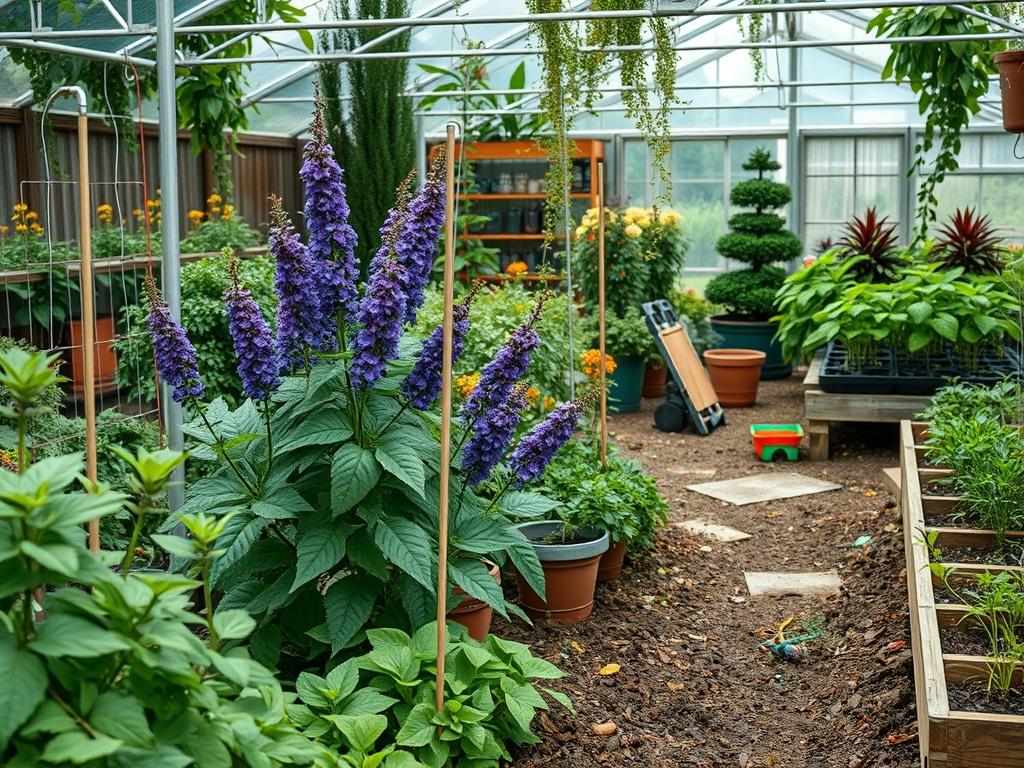
Managing a professional landscape requires more than just an aesthetic eye; it demands a deep understanding of plant physiology and environmental impact. The Butterfly Bush, known scientifically as Buddleja davidii, represents a unique challenge for the modern homeowner. While it offers unparalleled visual appeal and draws pollinators with its honey-scented blooms, its vigorous growth can quickly overwhelm a backyard if left unmanaged. Integrating this species into a cohesive design involves balancing its rapid expansion with the structural needs of the surrounding garden. Architects often view these shrubs as dynamic focal points that bridge the gap between hardscaping and softscaping, yet their success depends heavily on local climate conditions and soil preparation. In temperate zones, they act as deciduous anchors, providing height and texture. In warmer regions, they can become semi-evergreen, requiring even more aggressive maintenance to prevent them from becoming leggy or invasive.
The primary goal of a high-end landscape plan is to ensure every specimen serves a functional purpose while enhancing the overall curb appeal. For the Butterfly Bush, this means placing it in a location where its 5 to 10 foot height does not obstruct sightlines but instead provides a lush backdrop for lower-level perennials. Functional backyard design also considers the movement of wind and the path of the sun. Because these shrubs bloom on new wood, their placement must allow for easy access with professional tools once the pruning season arrives. Without proper planning, a massive Buddleja can block natural light from reaching the lawn or crowd out smaller companions, leading to a decline in biodiversity within the microclimate of your yard.
Landscape Design Principles
Effective backyard layout relies on the principles of symmetry and elevation layering to create a sense of order. When incorporating a Butterfly Bush, it is essential to treat it as a structural element rather than a secondary filler. Its naturally arching habit creates a soft, weeping silhouette that contrasts beautifully against the rigid lines of retaining walls or geometric walkways. By placing these shrubs at the corners of a property or as a central anchor in a large bed, you establish a clear focal point that draws the eye upward.
Elevation layers involve placing taller plants in the rear of a border and cascading downward toward the front. The Butterfly Bush usually occupies the back or middle layer. To maintain visual balance, designers recommend pairing it with plants that offer structural contrast, such as upright Ornamental Grasses or mounded shrubs. Irrigation planning is also a vital design component. Because these plants prefer well-drained soil, they should be grouped with other species that share similar moisture requirements. Designing a slight slope or using a French drain near the planting site ensures that water does not pool around the roots, which can cause terminal rot in many Buddleja varieties.
Plant and Material Selection
Selecting the right materials and companion plants is the foundation of long-term success. The following table provides a guide for selecting species that complement the Butterfly Bush in a high-performance landscape.
| Plant Type | Sun Exposure | Soil Needs | Water Demand | Growth Speed | Maintenance Level |
| :— | :— | :— | :— | :— | :— |
| Buddleja davidii | Full Sun | Well-drained | Moderate | Fast | High |
| English Lavender | Full Sun | Sandy/Rocky | Low | Moderate | Medium |
| Purple Coneflower | Full/Partial | Loamy | Moderate | Moderate | Low |
| Switchgrass | Full Sun | Adaptable | Low | Fast | Low |
| Russian Sage | Full Sun | Lean/Dry | Low | Fast | Moderate |
| Black-eyed Susan | Full/Partial | Moist/Rich | Moderate | Fast | Low |
For the hardscaping aspects of the installation, use high-quality shredded hardwood mulch or pine bark nuggets. These materials help retain moisture during the peak of summer while suppressing weeds that compete with the shrub for nutrients. Steel edging or tumbled stone borders can be used to define the beds, preventing the aggressive root systems of the bush from encroaching onto the lawn.
Implementation Strategy
The actual installation and layout of a garden featuring Butterfly Bush must be precise to avoid future drainage or overcrowding issues. Begin by assessing the grading of the site. The area should slope away from the home foundation at a minimum 2 percent grade to ensure proper runoff. When digging the planting hole, it should be twice as wide as the root ball but no deeper. This encourages lateral root growth, which provides better stability against high winds.
Once the shrub is in the ground, apply a 3-inch layer of organic mulch around the base, ensuring the material does not touch the main trunk. This gap prevents moisture from being trapped against the bark, which can lead to fungal infections. Professional edging provides a clean line between the mulch bed and the turf, which is visually satisfying and prevents lawn mowers from damaging the lower branches. If installing a new walkway nearby, use permeable materials like crushed granite or spaced pavers to allow water to reach the root zone without creating a swampy environment.
For pruning management, use a pair of sharpened bypass pruners for smaller stems and loppers for branches thicker than 1 inch. The implementation of a “hard prune” strategy in late winter is standard. You should cut the entire shrub back to approximately 12 to 24 inches above the ground. This stimulates vigorous new growth and ensures the plant remains compact and floriferous. Without this annual intervention, the shrub will develop a woody, unproductive center and sparse flowering at the tips.
Common Landscaping Failures
One of the most frequent mistakes in Backyard Butterfly Bush Care is improper soil preparation leading to poor drainage. Many homeowners assume that more water is always better; however, Buddleja species are highly susceptible to root rot in heavy clay or compacted soils. If the soil does not drain within a few hours of a heavy rain, the plant will likely fail within two seasons. Another common error is root overcrowding. Because these shrubs grow so quickly, they are often planted too close to fences or other structures. This limits airflow, which increases the risk of spider mites and downy mildew.
Irrigation inefficiency is another major pitfall. Over-watering with an automatic sprinkler system can facilitate weak, succulent growth that flops over under the weight of the flower spikes. Additionally, failing to deadhead spent blooms during the summer reduces the plant’s aesthetic value and allows it to drop thousands of seeds. In some regions, this leads to the plant becoming a nuisance in neighboring natural areas. Professional managers always recommend sterile cultivars or diligent deadheading to maintain ecological responsibility.
Seasonal Maintenance
Landscape management is a year-round commitment. In the Spring, the focus is on fertilization and initial pruning. Apply a balanced 10-10-10 fertilizer just as the first green buds appear. This is also the time for the main structural prune. Removing dead wood from the previous winter ensures the plant’s energy is directed toward new, healthy shoots.
During the Summer, maintenance shifts to moisture management and deadheading. When flowers begin to brown, clip them back to the first set of leaves. This encourages a second and sometimes third flush of blooms. Monitor for pests during the hottest months. In the Autumn, stop fertilizing to allow the plant to harden off for the coming cold. You can perform a light heading-to-back prune to prevent tall branches from breaking under the weight of early snow, but do not do the heavy pruning yet.
In the Winter, the landscape is largely dormant. This is the best time to inspect the structural integrity of your retaining walls and walkways while the foliage is gone. Apply a fresh layer of mulch if the ground has become exposed, as this protects the root crown from the “freeze-thaw” cycle that can heave plants out of the ground.
Professional Landscaping FAQ
How often should I prune my butterfly bush?
You should perform one heavy structural prune in late winter or early spring. During the summer months, deadhead spent flowers every two weeks to encourage new blooms and maintain a tidy appearance throughout the growing season.
What is the best mulch for these shrubs?
A shredded hardwood mulch applied to a depth of 3 inches is ideal. It stays in place on slopes and breaks down over time to enrich the soil, while providing excellent moisture retention and temperature regulation for the roots.
Can I grow butterfly bushes in shade?
These plants require full sun, meaning at least 6 to 8 hours of direct sunlight daily. Planting them in the shade results in leggy growth, fewer flowers, and increased susceptibility to fungal diseases and various pest infestations.
How do I fix a bush that is too tall?
In late winter, use loppers to cut the plant down to about 12 inches from the ground. This hard rejuvenation pruning forces the plant to restart from the base, resulting in a fuller, more compact shrub by mid-summer.
Why are the leaves on my bush turning yellow?
Yellowing leaves often indicate poor drainage or over-watering. Check the soil moisture levels at a depth of 4 inches. If the soil is consistently soggy, you may need to improve the area’s grading or install a drainage solution.