
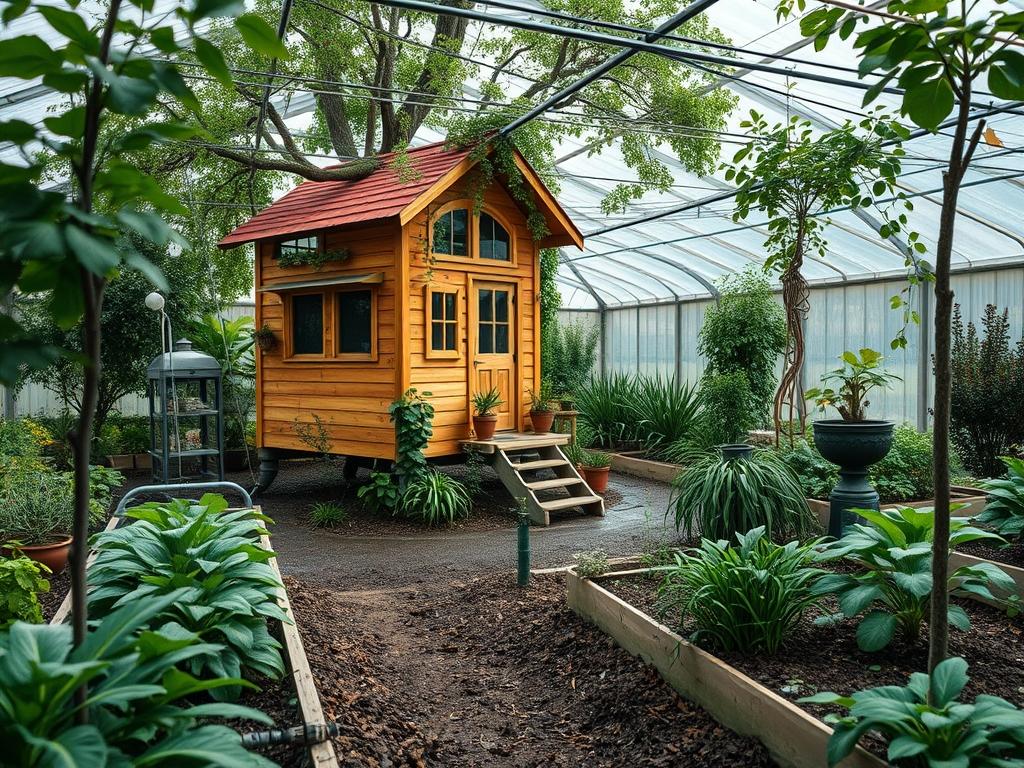
Integrating contemporary Backyard Tree House Kits into a residential landscape represents a sophisticated intersection of architecture and arboriculture. In 2026, the trend has shifted away from haphazardly nailed boards toward precision-engineered structures that function as secondary living spaces. For a landscape architect, the challenge lies in ensuring these elevated structures do not overwhelm the existing garden aesthetic or compromise the health of the host trees. Climate considerations are paramount; the choice of a kit must account for local wind loads, snow accumulation, and the thermal expansion of materials. A well-placed tree house adds significant curb appeal by creating a tiered visual interest that draws the eye upward, effectively doubling the usable square footage of a smaller suburban lot. The goal is to create a seamless transition between the manicured ground-level gardens and the wilder, vertical environment of the canopy.
Proper site analysis is the first step in this high-level planning process. One must consider the Diameter at Breast Height (DBH) of the supporting trees to ensure they can sustain the weight of the structure plus the live load of occupants. Beyond structural integrity, the orientation of the tree house affects the microclimate of the garden below. A large platform will create a significant rain shadow and a permanent shade zone, which dictates a complete redesign of the understory planting. By viewing the tree house as a focal point rather than an accessory, homeowners can use it to anchor a larger outdoor living narrative that includes lighting, drainage, and pedestrian circulation.
Landscape Design Principles
Symmetry and visual balance are the cornerstones of integrating Backyard Tree House Kits. While a tree house is inherently asymmetrical due to the natural growth of branches, the surrounding landscape should provide a stable counterpoint. Utilizing a focal point, such as a large Specimen Oak or Sugar Maple, allows the kit to appear settled within its environment. Designers often use the “Rule of Three” by repeating materials found in the tree house, like Western Red Cedar or Powder-Coated Steel, in ground-level features like benches or pergolas. This creates a cohesive aesthetic that bridges the gap between the ground and the sky.
Elevation layers play a critical role in the vertical garden. Below the structure, shade-tolerant species should be arranged in drifts to mimic natural forest floors. Irrigation planning must be adjusted to account for the “umbrella effect” of the tree house platform; traditional overhead sprinklers are often blocked, requiring the installation of Drip Irrigation Lines directly into the root zones of the understory plants. Walkways should be designed to guide traffic toward the structure without compacting the critical root zone of the host tree. Using Permeable Pavers or Raised Boardwalks protects the soil structure and ensures long-term tree health.
Visual balance also involves managing sightlines. A modern tree house kit often features large glass panels or open railings. Strategic planting of mid-sized shrubs, such as Serviceberry or Camellias, can provide privacy for the occupants while softening the hard edges of the structure when viewed from the main house. The goal is to make the tree house look like it emerged from the landscape rather than being dropped into it.
Plant and Material Selection
Selecting the right biological and structural components is vital for a successful installation. The following table provides a guide for the types of plants that complement the environment surrounding modern elevation structures.
| Plant Type | Sun Exposure | Soil Needs | Water Demand | Growth Speed | Maintenance Level |
| :— | :— | :— | :— | :— | :— |
| Japanese Forest Grass | Part/Full Shade | Well-Drained, Humus-Rich | Medium | Slow | Low |
| Hostas (Giant Varieties) | Full Shade | Moist, Loamy | High | Medium | Medium |
| Wild Ginger | Full Shade | Acidic, Moist | Medium | Slow | Low |
| Oakleaf Hydrangea | Part Shade | Well-Drained | Medium | Moderate | Medium |
| Pachysandra | Full Shade | Adaptable | Low | Medium | Low |
| Christmas Fern | Deep Shade | Rich, Organic | Medium | Slow | Low |
| Climbing Hydrangea | Part Sun/Shade | Rich, Moist | High | Slow (Initially) | Moderate |
For materials, 2026 standards prioritize longevity and minimal impact. Use 316-Grade Stainless Steel for all fasteners and Tree Attachment Bolts (TABs) to allow the tree to grow around the hardware without girdling. For the deck surfaces, Thermally Modified Ash or Composite Decking provides a slip-resistant surface that requires minimal chemical treatment, protecting the ecosystem below.
Implementation Strategy
The execution of a tree house project begins with precise grading and drainage management. Before the kit is assembled, the ground beneath the host tree must be assessed for slope. If the area is prone to standing water, install a French Drain or a Dry Well to divert runoff away from the trunk. This prevents root rot and ensures the structural base of the tree remains stable under the new load. Edging should be installed around the perimeter of the structure’s footprint to define the “no-mow” zone, which should be filled with Hardwood Bark Mulch to a depth of 3 Inches.
Once the ground is prepared, the assembly of the kit should follow a “low-impact” protocol. Use Scaffolding rather than heavy machinery to move components into the canopy to avoid soil compaction. If the kit requires ground supports, use Helical Piles instead of traditional concrete footings; these screw into the ground with minimal vibration and displacement of the root system. As the structure rises, ensure that all Joists and Beams maintain a minimum clearance of 2 Inches from any living limb to allow for wind sway and seasonal growth.
The final stage of implementation is the integration of hardscaping elements. Connect the tree house to the rest of the yard using a pathway of Flagstone Steppers or Decomposed Granite. This prevents the area under the tree from becoming a muddy patch due to increased foot traffic. Lighting should be low-voltage LED Fixtures mounted with adjustable straps that do not pierce the bark.
Common Landscaping Failures
The most frequent mistake in tree house landscaping is ignoring the root flare. Many homeowners pile mulch or soil against the base of the tree to create a planter effect, which traps moisture and invites fungal pathogens. Another common failure is improper spacing of ground-level plants. Overcrowding near the trunk creates competition for nutrients and makes it difficult to inspect the tree for signs of stress or pest infestation.
Drainage mistakes often occur when the tree house roof lacks a gutter system. A concentrated stream of water falling from 12 Feet can cause significant soil erosion and expose sensitive surface roots. Improper irrigation is another hurdle; many systems are designed for grass, not the specialized needs of a shaded understory, leading to either parched plants or drowned roots. Lastly, soil compaction during the construction phase is a silent killer; without protective Plywood Sheeting or Air-Spade remediation, the tree may decline slowly over several years due to a lack of oxygen in the root zone.
Seasonal Maintenance
Spring is the season for structural inspections. Check all Lag Bolts and Hangers for tension, ensuring the tree has not grown to the point of putting pressure on the hardware. Prune any small “vucker” growth that has sprouted near the tree house entry points. In the summer, focus on irrigation. Because the canopy of the tree house acts as a giant umbrella, even heavy rain may not reach the plants directly underneath. Use a Soaker Hose to provide deep watering during heatwaves.
Autumn maintenance involves leaf management. Use a Leaf Blower to clear the roof and deck of the tree house, as decaying organic matter can cause wood rot and create slippery surfaces. Check the Gutter System or downspout diversions for clogs. Winter is the time for dormant pruning of the host tree. Remove any dead or crossing branches that could fall onto the structure during a storm. If you live in an area with heavy snow, use a Roof Rake to prevent excessive weight accumulation on the kit platform.
Professional Landscaping FAQ
How do I choose the right tree for a kit?
Select a healthy, mature hardwood with a DBH of at least 12 Inches. Avoid species with brittle wood or shallow root systems, such as Willow or Poplar. Consult an arborist to verify the tree’s health before installation.
Will a tree house kit hurt my tree?
When installed using Tree Attachment Bolts (TABs), the impact is minimal. These specialized bolts allow the tree to compartmentalize the puncture site. Avoid wrapping chains or ropes around limbs, as this causes lethal girdling over time.
What is the best mulch for under a tree house?
Use an organic Arborist Wood Chip Mulch. It breaks down slowly, improves soil biology, and provides excellent cushion for foot traffic. Avoid dyed mulches or rubber nuggets, which do not contribute to the health of the host tree.
Do I need a permit for a backyard tree house?
Most municipalities require permits if the structure exceeds a certain square footage or height, typically 100 Square Feet or 10 Feet. Always check local zoning laws regarding “accessory structures” and property line setbacks before purchasing a kit.
How can I light the area without harming the tree?
Use Bungee Cord Mounts or adjustable nylon straps for your light fixtures. Never use nails or staples to attach wires to the bark. Ensure all lighting is rated for outdoor use and connected to a GFCI Outlet.