
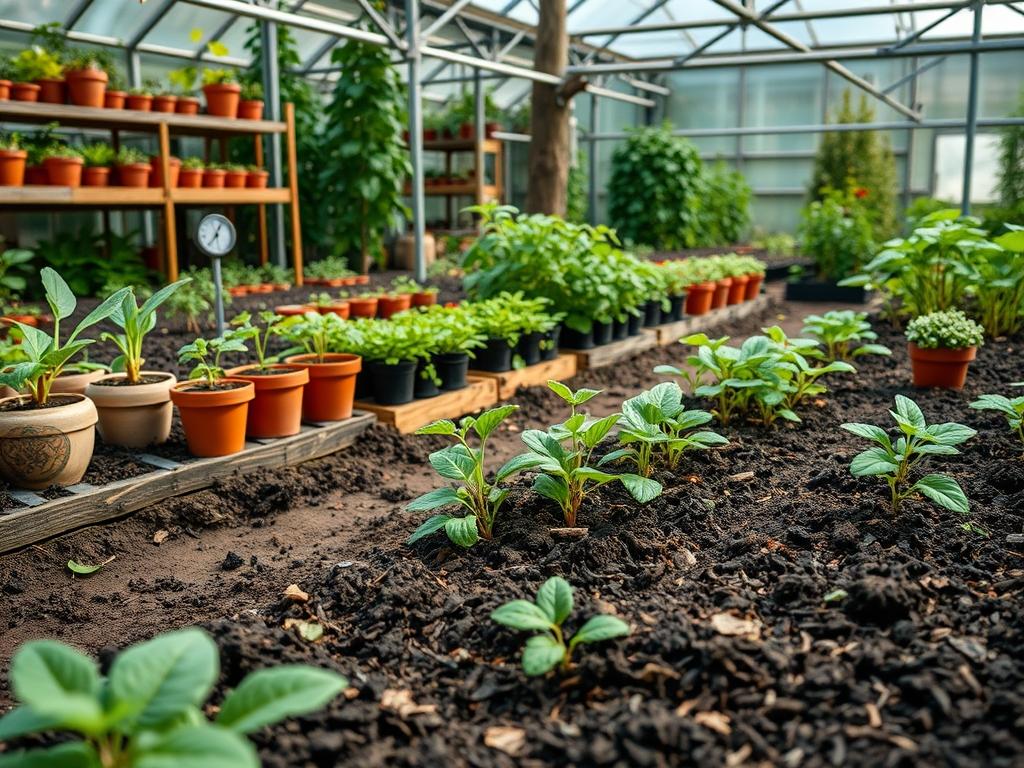
Designing a high performance landscape requires a fundamental shift from purely ornamental thinking toward ecological functionality. When homeowners or developers target Backyard Ladybug Attraction, they are not merely seeking the aesthetic charm of these insects; they are implementing a sophisticated system of biological pest control. A well designed yard must balance curb appeal with the specific environmental requirements of beneficial predators. This involves a strategic orchestration of shelter, moisture, and food sources integrated into a cohesive outdoor living space. The challenge lies in creating a garden that looks intentional and structured while providing the “messy” niches that ladybugs need to thrive. By focusing on site specific climate considerations and functional zoning, a landscape architect can transform a sterile lawn into a vibrant, self regulating ecosystem that reduces the need for chemical interventions.
Effective landscape design starts with an analysis of the existing topography. Elevation changes and drainage patterns dictate where specific plant communities will survive. For Backyard Ladybug Attraction, the goal is to create a multi layered environment that mimics natural meadow margins. This transition from ground covers to mid sized perennials and tall woody shrubs provides the structural complexity necessary for ladybugs to hunt and hide. Furthermore, the integration of hardscaping like stone paths and retaining walls serves a dual purpose. These elements provide visual structure for the human eye while acting as thermal heat sinks for insects during the cooler parts of the day. A successful yard design ensures that every square foot serves both an aesthetic and a biological function.
Landscape Design Principles
Symmetry and focal points are the anchors of professional landscape architecture. In a ladybug centric yard, symmetry might be achieved through the use of matched Native Grasses flanking a Flagstone Walkway or a central water feature. These focal points draw the eye and provide a sense of order. However, the true success of the design lies in the elevation layers. By using Retaining Walls to create tiered planting beds, we increase the surface area for vegetation and create distinct microclimates. Lower tiers might hold more moisture for species like Yarrow, while upper tiers, which drain faster, support drought tolerant varieties like Coreopsis.
Visual balance is achieved by mixing textures and colors. A fine textured plant next to a bold, broadleaf variety creates a professional contrast that hides the slightly wilder nature of a pollinator garden. Irrigation planning is also paramount. For Backyard Ladybug Attraction, overhead spraying should be avoided in favor of Drip Irrigation systems that deliver water directly to the root zone. This keeps the foliage dry, reducing the risk of fungal diseases while still providing the “heavy dew” or small water droplets ladybugs need to hydrate. Walkways should be designed to allow for easy maintenance access without compacting the Topsoil, as soil health is the foundation of the entire food web.
Plant and Material Selection
The following table outlines the essential flora and materials required to establish a robust environment for Backyard Ladybug Attraction.
| Plant Type | Sun Exposure | Soil Needs | Water Demand | Growth Speed | Maintenance Level |
| :— | :— | :— | :— | :— | :— |
| Coreopsis | Full Sun | Well-drained | Low | Fast | Low |
| Yarrow | Full Sun | Lean/Sandy | Low | Medium | Minimal |
| Calendula | Full to Part | Loamy | Medium | Fast | Moderate |
| Sweet Alyssum | Full to Part | Moist/Rich | Medium | Fast | Low |
| Cosmos | Full Sun | Average | Low | Rapid | Minimal |
| Dill | Full Sun | Well-drained | Medium | Fast | Moderate |
| Native Grasses | Variable | Any | Low | Slow | Low |
| Coriander | Part Shade | Loamy | Medium | Fast | Moderate |
Implementation Strategy
The transition from a design on paper to a physical landscape requires a structured implementation strategy. The first step in any backyard overhaul is Grading. Proper slope ensures that runoff moves away from the home foundation and toward designated drainage areas or rain gardens. Once the land is shaped, Edging should be installed to define the boundaries between turf, walkways, and planting beds. Use Steel Edging or Paver Borders to maintain clean lines, preventing the spread of aggressive ground covers into the lawn or paths.
Soil preparation is the next critical phase. Avoid the common mistake of just tilling the existing dirt. Instead, incorporate several inches of Organic Compost to improve the soil structure. For Backyard Ladybug Attraction, the goal is to create a habitat that supports aphids and other small insects that ladybugs eat. This means steering clear of “scorched earth” pest policies and instead focusing on soil health that supports a balanced population of insects. After planting, apply a 3 inch layer of Wood Chip Mulch or Arborist Mulch. This layer regulates soil temperature, suppresses weeds, and provides a humid environment at the base of plants where ladybugs often seek refuge during the heat of the day.
Hardscaping should include “insect hotels” or simple piles of River Rock integrated into the garden beds. These features should be placed in areas that receive morning sun. When installing Walkways, consider using permeable materials like Decomposed Granite or Pea Gravel. These materials allow water to infiltrate the ground rather than running off, which supports the overall moisture health of the yard. Finally, ensure that your Irrigation Controller is programmed for deep, infrequent watering cycles to encourage deep root growth in your new ladybug habitat.
Common Landscaping Failures
The most frequent failure in designing for Backyard Ladybug Attraction is the over use of broad spectrum insecticides. Even organic sprays can kill the very ladybugs you are trying to attract. Another significant error is poor Drainage planning. If water pools in the plant beds, it can lead to root rot and anaerobic soil conditions, which kill the plants that provide shelter. Proper Grading and the installation of French Drains or Catch Basins are necessary in heavy clay soils to prevent this issue.
Root overcrowding is another common mistake. New homeowners often plant for immediate “fullness” without accounting for the mature spread of the species. Overcrowded plants compete for nutrients and airflow, leading to stressed vegetation that becomes a breeding ground for harmful pests rather than a home for beneficial ones. Furthermore, soil compaction from heavy machinery during the construction phase can ruin a garden before it starts. Always decompact the soil with a Broadfork or Tiller before the final planting. Lastly, irrigation inefficiencies, such as broken heads or mismatched nozzles, can lead to dry spots that drive ladybugs away in search of more hospitable conditions.
Seasonal Maintenance
Landscape management is a year round commitment that evolves with the seasons. In the Spring, the focus is on soil health and debris management. Perform a Soil Test to determine nutrient needs and apply a light layer of Compost. This is also the time to check the Drip Irrigation system for leaks or clogs. Avoid the urge to “clean up” too early; many ladybugs spend the winter in the leaf litter, so wait until temperatures are consistently above 50 degrees Fahrenheit before removing old stalks or leaves.
Summer maintenance revolves around water management and monitoring. As temperatures rise, ensure the Mulch layer remains thick to protect the roots. Deadheading flowers like Coreopsis and Cosmos will encourage a second flush of blooms, providing a continuous nectar source for the ladybugs. In Autumn, phase out high nitrogen fertilizers to allow plants to harden off for winter. Instead of removing all fallen leaves, rake them into the back of your garden beds to provide winter insulation for ladybugs. During the Winter, the landscape is largely dormant. This is the best time for structural pruning of woody shrubs and for planning next year’s additions to the Backyard Ladybug Attraction program.
Professional Landscaping FAQ
How do I choose the best location for ladybug plants?
Select areas that receive at least six hours of sunlight. Ensure the site has protection from high winds; building Retaining Walls or planting Native Grasses as windbreaks helps maintain a stable microclimate for delicate insects.
Can I use mulch while trying to attract ladybugs?
Yes. A 3 inch layer of Organic Mulch is essential. It retains moisture and provides a cool, damp environment for ladybugs to hide during the hottest parts of the day. Avoid dyed mulches that may contain chemicals.
What is the best way to water a ladybug garden?
Use Drip Irrigation to deliver water to the base of the plants. This prevents disease on the foliage while ensuring the soil remains moist. A few strategically placed Stone Basins can provide additional drinking water for the insects.
Will ladybugs stay in my yard if I buy them online?
Purchased ladybugs often fly away immediately. The better strategy for Backyard Ladybug Attraction is to design the landscape with Native Plants and specific food sources. Creating a high quality habitat will attract local populations naturally.
How do I handle aphids without using chemicals?
Let the ladybugs do the work. A small population of aphids is necessary to keep ladybugs in your yard. If an infestation is severe, use a sharp stream of water from a Garden Hose to knock them off the plants.