
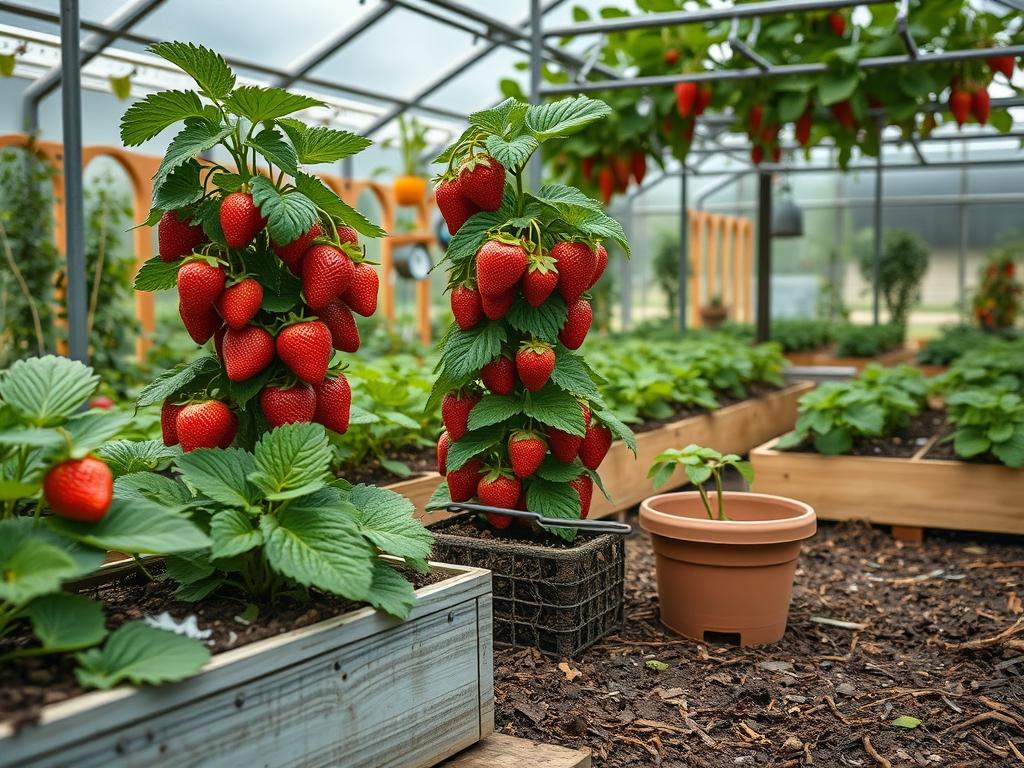
Integrating vertical elements into a residential landscape requires a sophisticated understanding of spatial dynamics, microclimates, and structural integrity. For many homeowners, the challenge of a high-yield garden lies in the limitation of flat square footage. Backyard strawberry tower tips often focus on the horticultural aspect, but from a landscape architecture perspective, these structures must also serve as functional focal points that enhance the overall aesthetic of the outdoor environment. Designing a vertical strawberry system is not merely about stacking containers; it is about creating a living sculpture that addresses drainage requirements and solar orientation while providing easy access for harvesting. Whether you are working with a small urban patio or a sprawling suburban estate, these towers maximize efficiency by utilizing the Z-axis of your garden.
High-output vertical gardening requires a strategic approach to site selection. Strawberries are notoriously finicky about their sun exposure and drainage, requiring at least six to eight hours of direct sunlight. In a traditional horizontal bed, this is easy to manage, but a vertical tower creates its own shadows. As a consultant, I recommend placing these structures in the northernmost section of the growing zone to prevent them from shading out smaller ground-level plants. Furthermore, the selection of materials for the tower must complement the existing hardscaping. Cedar wood, food-grade PVC, or terracotta tiers each offer different thermal properties and visual weights. A successful backyard strawberry tower tip involves matching the tower material to the surrounding retaining walls or patio pavers to ensure the installation looks intentional rather than like an afterthought.
Landscape Design Principles
When designing a vertical strawberry system, symmetry and focal points are essential for maintaining professional curb appeal. A single, isolated tower can look disjointed in a large yard. Instead, use a pair of towers to flank a walkway or act as pylons at the entrance of a dedicated kitchen garden. This creates a sense of arrival and formal structure. Elevation layers are equally important. By placing the tower on a raised stone plinth or a gravel pad, you elevate the harvest line and protect the base from soil-borne pathogens. This elevation also facilitates better ergonomics, allowing for maintenance without constant bending.
Visual balance is achieved by considering the mature size of the strawberry plants. Varieties like Albion or Seascape produce lush foliage that will eventually drape over the sides of the structure, softening the hard lines of the tower itself. To ensure the tower remains a cohesive part of the landscape, consider the lines of the surrounding architecture. If your home features modern, clean lines, a sleek stainless steel or black polymer tower will resonate more effectively than a rustic wooden barrel. Conversely, for a cottage-style garden, weathered cedar provides a naturalistic texture that blends into the background.
Irrigation planning must be integrated into the design phase rather than added as a correction later. Gravity is the primary adversary in vertical gardening. In a five-foot tower, the water naturally migrates to the bottom, leaving the top tiers desiccated while the lower roots drown. A professional landscape design avoids this by incorporating a central irrigation spine. A one-inch perforated pipe wrapped in geotextile fabric and placed down the center of the tower ensures that water is distributed evenly from top to bottom. This technical detail is one of the most vital backyard strawberry tower tips for ensuring long-term plant health and high yields.
Plant and Material Selection
| Plant Type | Sun Exposure | Soil Needs | Water Demand | Growth Speed | Maintenance Level |
| :— | :— | :— | :— | :— | :— |
| Albion (Day-Neutral) | Full Sun | Sandy Loam | Moderate/High | Medium | Moderate |
| Seascape (Ever-bearing) | Full Sun | Well-draining | Moderate | Fast | Low |
| Quinault (Ever-bearing) | Full/Partial | Rich Organic | High | Fast | Moderate |
| Tristar (Day-Neutral) | Full Sun | Loamy/Acidic | Moderate | Medium | High |
| Honeoye (June-bearing) | Full Sun | Heavy Loam | Moderate | Fast | Moderate |
Implementation Strategy
The implementation of a vertical strawberry system begins with site grading. A tower is a heavy, top-heavy structure once filled with moist soil. The base must be perfectly level to prevent leaning or collapse over time. Start by excavating a six-inch deep area slightly wider than the base of your tower. Fill this with crushed stone or 3/4-inch gravel to provide a stable, well-draining foundation. If the tower is exceptionally tall, consider anchoring it to a 4×4 pressure-treated post driven into the ground to provide wind resistance.
Once the foundation is set, focus on the soil composition. Vertical towers require a lighter mix than traditional garden beds to prevent compaction. A blend of coconut coir, perlite, and high-quality compost is ideal. Avoid using 100% topsoil, as it will compress under its own weight, stripping the roots of oxygen. As you fill the tower, install the central irrigation pipe and pack the soil firmly but not tightly. For edging, use metal bender board or stone blocks around the base of the tower to create a clean transition between the vertical structure and the surrounding mulch. This prevents lawn mowers from damaging the tower and keeps weeds from encroaching on the strawberry roots.
The final step of implementation involves mulch and drainage. Even in a vertical system, a thin layer of fine-textured bark mulch or pine needles at the opening of each planting pocket helps retain moisture. For the base, ensuring that excess water can flow away from the structure is critical. Integrate a French drain or use a permeable paver system if the tower is located near a high-traffic area. This prevents the “muddy moat” effect that often plagues poorly planned vertical gardens.
Common Landscaping Failures
The most frequent failure in tower gardening is improper drainage management. When water pools at the base of the tower because of poor soil grading, it creates an anaerobic environment that leads to root rot. Professionals solve this by ensures a clear exit path for water. Another common mistake is root overcrowding. In an attempt to maximize yield, many homeowners plant too many crowns per tier. For a standard eight-inch diameter tower, spacing should be at least six to eight inches between plants. Overcrowding reduces airflow, which increases the risk of powdery mildew and gray mold.
Soil compaction is a silent killer in tall structures. Over a single season, gravity pulls fine particles to the bottom, leaving the top tiers with large air gaps and the bottom tiers with a brick-like consistency. Mixing pumice or coarse perlite into the substrate helps maintain soil structure. Furthermore, many skip the essential step of pre-wetting the soil. If you fill a tower with dry soil and then try to water it, the water will often channel through the center without actually hydrating the root balls. Hydrate your medium before it ever enters the tower tiers.
Seasonal Maintenance
Spring maintenance focuses on reviving the system after dormancy. This is the time to clear away dead foliage and check the irrigation emitters for clogs. If you are using June-bearing varieties, provide a balanced 10-10-10 fertilizer to stimulate early growth. For day-neutral varieties, a steady supply of liquid seaweed or fish emulsion every two weeks throughout the season is more effective. As temperatures rise in summer, monitoring moisture levels becomes a daily task. Vertical towers lose water much faster than ground beds due to increased surface area exposure to wind and heat.
In autumn, the focus shifts to preparation for the cold. In many climates, strawberries in towers are more susceptible to freezing because they lack the thermal insulation of the earth. Wrapping the tower in burlap or frost blankets can protect the crowns. If the tower is portable, moving it to a garage or unheated shed is a wise move for harsh winters. Finally, winter is the time for structural audits. Check wooden components for rot and plastic for UV-related brittleness. Ensuring the structural integrity during the off-season prevents a catastrophic collapse when the tower is fully loaded with fruit the following year.
Professional Landscaping FAQ
How do I prevent the top of my strawberry tower from drying out?
Install a perforated PVC pipe down the center of the tower. Filling it with pea gravel allows water to dissipate evenly at all levels, ensuring the top tiers receive consistent hydration along with the bottom sections.
What is the best material for a long-lasting strawberry tower?
Food-grade polymer or rot-resistant cedar are the top choices. Polymers offer lightweight durability and moisture retention, while cedar provides natural antimicrobial properties and a classic aesthetic that ages gracefully within a professional landscape design.
Can I grow strawberries in a tower in partial shade?
While strawberries prefer full sun, some varieties like Quinault can tolerate partial shade. However, expect lower yields and slower ripening. For best results, ensure the tower receives at least six hours of unobstructed sunlight daily.
How do I manage pests in a vertical system?
Verticality naturally reduces access for many crawling pests. For birds, use lightweight netting draped over the structure. For smaller insects, integrate companion plants like marigolds or alliums around the base to provide a natural chemical barrier.
How often should I replace the soil in my strawberry tower?
Because of nutrient depletion and compaction, you should refresh at least one-third of the soil every spring. Every three years, perform a complete soil change to prevent the buildup of pathogens and maintain optimal drainage performance.