
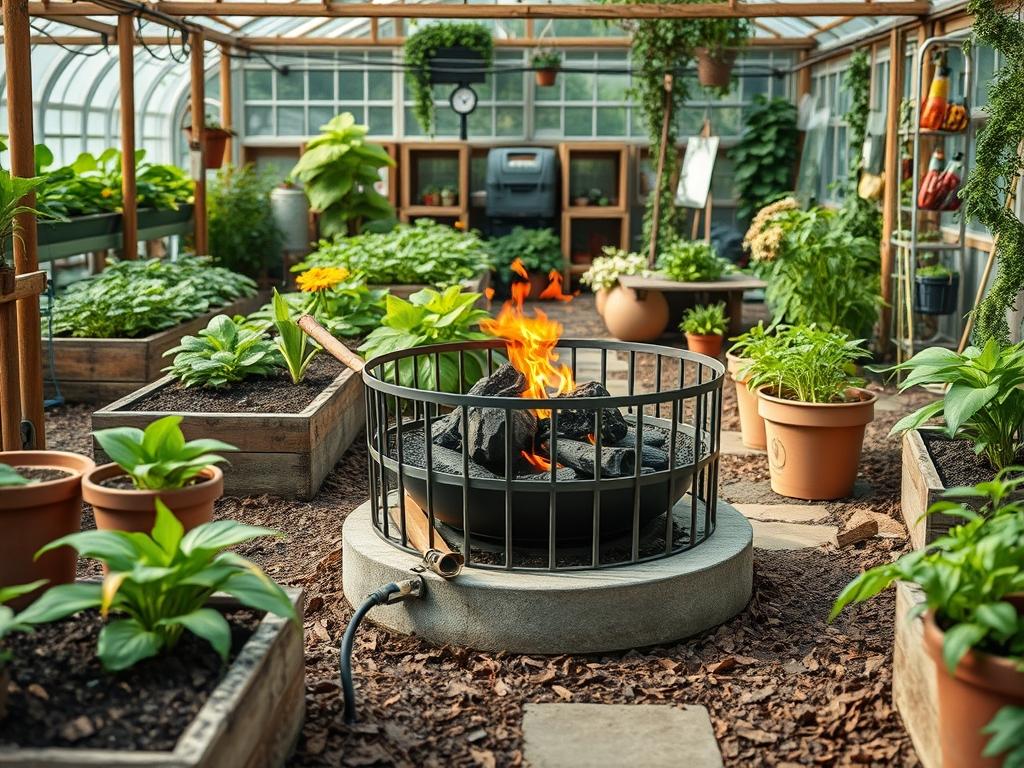
Integrating a fire feature into a residential landscape requires a sophisticated understanding of spatial dynamics, thermal radiation, and safety protocols. As a focal point, a fire pit offers unparalleled ambiance and functionality, yet it introduces unique challenges regarding site stability and fire mitigation. Designing this space is not merely about aesthetic appeal; it involves a rigorous assessment of wind patterns, topography, and the proximity of combustible materials. One of the most critical components in this architectural planning is the inclusion of Backyard Fire Pit Spark Guards. These protective mesh covers are essential for preventing embers from transitioning into surrounding vegetation or residential structures. When we approach an outdoor environment as a cohesive system, we must treat safety equipment as a primary design element rather than an afterthought. This ensures that the transition between the hardscape of the fire zone and the softscape of the garden remains seamless, secure, and visually pleasing.
Landscape Design Principles
Effective landscape design relies on the principle of hierarchy, where the fire pit often serves as the primary visual anchor. To achieve balance, the architect must consider the elevation layers of the site. A fire pit placed at a lower elevation can create a sense of intimacy, while one positioned on a raised terrace offers a commanding view of the property. Regardless of height, the placement must adhere to strict setback requirements. Most local ordinances dictate a minimum distance of ten to fifteen feet from any structure or overhanging canopy.
Symmetry plays a vital role in formal designs, where linear walkways lead directly to a circular seating area. In contrast, a more naturalistic approach might use asymmetrical groupings of boulders and native grasses to soften the edges of the hardscape. Irrigation planning is also vital here; the soil surrounding a heat source dries out faster than other areas. Therefore, the irrigation system must be zoned to provide supplemental moisture to the perimeter plantings without saturating the fire pit base. Finally, the visual weight of the Backyard Fire Pit Spark Guards should complement the material of the pit itself, whether it be wrought iron, stainless steel, or copper, ensuring that the safety barrier enhances the overall architectural theme.
Plant and Material Selection
The following table outlines appropriate plant species for the zones immediately surrounding a fire feature, prioritizing fire resistance and low maintenance.
| Plant Type | Sun Exposure | Soil Needs | Water Demand | Growth Speed | Maintenance Level |
| :— | :— | :— | :— | :— | :— |
| Agave | Full Sun | Well-drained | Low | Slow | Very Low |
| French Lavender | Full Sun | Sandy/Alkaline | Moderate | Medium | Low |
| Sedum | Full Sun to Part Shade | Poor/Rocky | Low | Fast | Low |
| Red Yucca | Full Sun | Any/Well-drained | Very Low | Medium | Very Low |
| Coreopsis | Full Sun | Well-drained | Moderate | Fast | Medium |
| Daylily | Full Sun to Part Shade | Moist/Rich | Moderate | Fast | Medium |
Beyond greenery, the choice of hardscape materials is paramount. We recommend using permeable pavers, decomposed granite, or river rock for the immediate surroundings. These materials facilitate proper drainage and provide a non-combustible buffer. Avoid using wood mulch or pine straw within a five foot radius of the fire, as even the best Backyard Fire Pit Spark Guards cannot completely eliminate the risk of a rogue ember reaching the ground.
Implementation Strategy
The transition from a design concept to a finished landscape begins with precise site grading. The area intended for the fire pit must be leveled to ensure structural integrity, but the surrounding land should be graded at a two percent slope away from the center to prevent water accumulation. Once the grade is established, the layout of the seating walls and pathways is marked using surveyor stakes and string lines.
Excavate the fire pit area to a depth of at least twelve inches, filling the base with compacted gravel and leveling sand. This provides the necessary drainage and a stable foundation for the fire bricks or stone blocks. For the perimeter, install a heavy duty edging material, such as steel edging or concrete curbing, to separate the hardscape from the planting beds. Apply a landscape fabric beneath the stone buffer to suppress weed growth while maintaining permeability. When the fire pit is fully assembled, the final step is the fitting of the Backyard Fire Pit Spark Guards. The guard should be measured to overlap the edge of the pit by at least one inch to ensure total coverage.
Common Landscaping Failures
One of the most frequent errors in garden planning is the failure to account for root overcrowding. Planting large trees too close to a fire pit can lead to root encroachment, which may eventually heave the stone pavers or damage the pit’s foundation. Furthermore, the intense heat can cause significant stress to the tree’s health. Another common mistake is poor drainage planning. If a fire pit is installed in a low spot without an adequate drain tile or gravel sump, it will become a collection point for rainwater, leading to stagnant odors and the degradation of the fire pit liner.
Improper spacing of furniture and foliage is also a major concern. Designers must maintain a clear zone of at least three feet around the pit for safe movement. Overcrowding this area with flammable outdoor rugs or dense shrubbery creates a fire hazard. Lastly, many homeowners neglect the impact of soil compaction. During construction, heavy machinery can crush the soil structure, leading to poor aeration and drainage. It is essential to till the surrounding soil and add organic compost before installing any permanent plants.
Seasonal Maintenance
Landscape management is a year round commitment that evolves with the weather. In the spring, focus on cleaning out the fire pit and inspecting the masonry for any cracks caused by freeze-thaw cycles. Prune any winterkilled branches from the surrounding native plants to reduce the fuel load. During the summer, monitor the moisture levels of the soil; the radiant heat from the fire can desiccate nearby roots quickly. Ensure the Backyard Fire Pit Spark Guards are free of ash and soot, which can become acidic when wet and cause corrosion.
As autumn arrives, the primary task is leaf management. Dry leaves are highly flammable and must be cleared from the gravel buffer and the top of the spark guard. Check the mesh of the guard for any holes or thinning metal. In the winter, if the fire pit is not in use, it is wise to cover the entire unit with a weatherproof vinyl cover. However, if you continue to enjoy winter fires, keep a clear path shoveled to the pit to prevent slips on icy shale or concrete. Store your firewood in a dry, elevated location at least twenty feet away from the fire feature to prevent pest infestations and moisture buildup.
Professional Landscaping FAQ
How far should my fire pit be from my house?
Most safety standards and local building codes require a minimum distance of ten to fifteen feet from any structure, including decks, fences, and overhanging rooflines. Always consult your local fire department for specific regional setbacks.
Can I use any type of stone for the fire pit surround?
No, you should avoid porous stones like river rocks or limestone that haven’t been treated. These can trap moisture and explode when heated. Use kiln-fired bricks, lava rock, or crushed granite for safer thermal performance.
Why is a spark guard necessary if I have a stone border?
While a stone border prevents ground fires, a Backyard Fire Pit Spark Guards prevents airborne embers from traveling long distances. Wind can carry sparks onto your roof or into dry vegetation, making the guard a vital secondary defense.
How do I prevent my fire pit from flooding?
Ensure the base of the pit is constructed with at least six inches of drainage gravel. Additionally, grade the surrounding landscape to slope away from the pit and consider installing a perforated drain pipe if the area is prone to standing water.
What is the best mulch to use near a fire feature?
In the immediate five foot safety zone, avoid organic mulches. Use inorganic materials such as pea gravel, river stone, or crushed volcanic rock. These materials do not burn and provide a clean, modern aesthetic that complements the fire pit.