
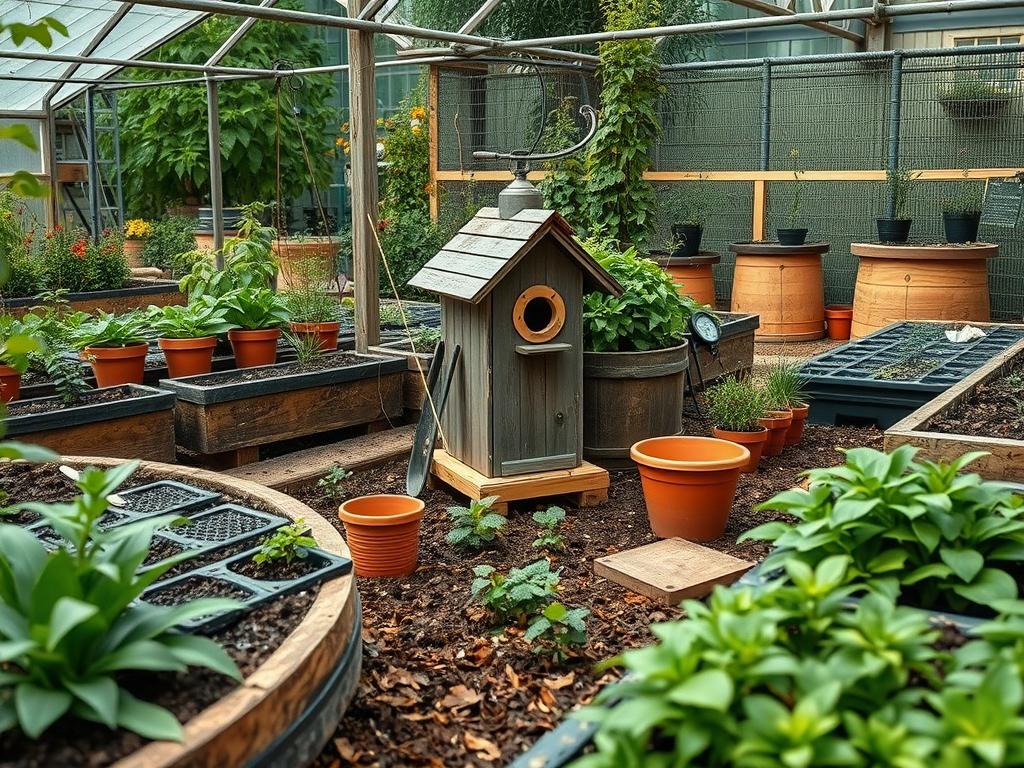
Integrating wildlife habitats into a luxury or functional landscape requires a delicate balance between ecological utility and aesthetic cohesion. Backyard bat house placement is often treated as an afterthought in the residential design process, yet its impact on mosquito control and local biodiversity remains unmatched. As a landscape architect, I view these structures as vertical accents that must satisfy rigorous environmental criteria while adhering to the broader design language of the property. Successful placement is not merely about fastening a box to a post; it involves a sophisticated understanding of solar exposure, thermal mass, and flight path clearance. From a curb appeal perspective, a poorly situated bat house can look like a cluttered addition, while a strategically integrated one serves as a conversation piece that enhances the outdoor living experience.
The landscaping challenge lies in honoring the specific biological needs of the bats without compromising the visual flow of the garden. We must consider the local climate, particularly the temperature fluctuations that occur within the structure during the summer months. In northern regions, the goal is heat retention, whereas southern climates require ventilation to prevent overheating. These functional goals are inextricably linked to the site’s topography and existing vegetation. A well-planned landscape incorporates these structures into the overall drainage and irrigation maps, ensuring that the foundation of the mounting pole does not interfere with subterranean utilities or root systems of prized specimens. By treating the bat house as a permanent architectural element, we can achieve a landscape that is both beautiful and ecologically productive.
Landscape Design Principles
Symmetry and focal points are the cornerstones of high-end landscape architecture. When considering backyard bat house placement, the structure should be treated as a vertical focal point that complements the existing elevation layers. In many modern designs, we use a 15 to 20 foot steel pole to achieve the necessary height for bat occupancy while maintaining a slim profile that does not obstruct views. Placing these structures near the perimeter of the property allows them to serve as an anchor for lower-tier plantings, creating a tiered effect that moves the eye from the ground cover to the shrub layer, and finally toward the sky.
Elevation plays a critical role in bat habitation. Bats require a clear drop-off of at least 10 to 15 feet to exit the house and gain flight speed. This means the area directly beneath the house must be free of tall shrubs, branches, or hardscaping obstacles. To balance this visual emptiness, we often design circular garden beds at the base of the pole. These beds can incorporate mulch, river rock, and low-lying native plants to ground the structure visually. Irrigation planning must also be precise; we avoid placing high-output spray heads near the mounting pole to prevent wood rot or rusting of the base. Instead, a dedicated drip line for the surrounding bed ensures the plants thrive without risking the structural integrity of the habitat.
Visual balance is further achieved by mirroring the materials of the bat house with the materials used in the home’s exterior or other hardscaping features. If the house features dark cedar siding, the bat house should be finished with a matching UV-rated exterior stain. This creates a sense of intentionality, making the structure feel like a planned part of the estate rather than a secondary addition. Walkways should be positioned to allow for observation from a distance, typically 20 to 30 feet away, ensuring that human activity does not disturb the colony during their evening emergence.
Plant and Material Selection
The following table outlines specific plant species and materials that complement the ecological goals of a bat-friendly landscape while maintaining high aesthetic standards for residential gardens.
| Plant Type | Sun Exposure | Soil Needs | Water Demand | Growth Speed | Maintenance Level |
| :— | :— | :— | :— | :— | :— |
| Evening Primrose | Full Sun | Well-drained | Moderate | Fast | Low |
| Night-scented Jessamine | Partial Shade | Loamy | High | Moderate | Medium |
| Goldenrod | Full Sun | Sandy/Clay | Low | Fast | Minimal |
| Smooth Aster | Full/Partial | Average | Medium | Moderate | Low |
| White Baneberry | Shade | Moist/Rich | High | Slow | Medium |
| Yucca | Full Sun | Dry/Porous | Very Low | Slow | Low |
For the structural components, I recommend using 4-way cedar or BCX-grade plywood for the house itself. These materials offer the necessary grip for the bats and provide excellent insulation. The mounting system should consist of a Schedule 40 galvanized steel pole or a pressure-treated 4×4 timber, secured with at least 80 pounds of pre-mixed concrete.
Implementation Strategy
The implementation phase begins with a thorough site analysis focusing on grading and drainage. Before digging any holes, locate all underground utilities using a private locating service. The ideal location for a bat house is a southern or southeastern exposure where the structure receives at least 6 to 8 hours of direct sunlight daily. This solar gain is vital for maintaining the internal temperature required for pup rearing. If your landscape features significant slopes, consider installing a small stone retaining wall to create a level terrace for the mounting pole. This adds a sophisticated hardscaping element while providing a stable foundation.
Start by using a gas-powered auger to dig a hole at least 3 feet deep and 12 inches wide. This depth is necessary to counteract wind loads on a tall pole. Once the pole is set and leveled with a 4-foot spirit level, pour the concrete and slope the top of the footing away from the pole to prevent water from pooling at the base. After the concrete cures for 48 hours, you can begin the softscaping. Apply a 3-inch layer of hardwood mulch around the base to suppress weeds and retain moisture for your nutrient-hungry native plants.
Edging is the final touch that defines the space. Use black aluminum edging or Belgian block stones to create a crisp border between the bat house garden bed and the turf. This prevents the lawn mower from getting too close to the mounting pole and ensures a clean, professional finish. If you are mounting multiple houses, space them at least 10 to 15 feet apart to provide separate territories for different bat species or larger colonies.
Common Landscaping Failures
One of the most frequent mistakes in backyard bat house placement is choosing a scenic location that is unfortunately too shaded. While a wooded glen might look aesthetically pleasing, a house placed under a dense canopy will remain too cold for bats to colonize. Airflow is another missed consideration; placing a house too close to high-traffic areas or loud HVAC units can deter bats due to noise and vibration.
Drainage failures are equally common. If the grading around the mounting pole allows water to stagnate, the wood will eventually wick up moisture, leading to internal mold or structural collapse. Furthermore, many homeowners fail to account for root overcrowding. Planting large maturing trees too close to the bat house will eventually lead to branches obstructing the flight path, rendering the house useless within five to ten years. Irrigation inefficiencies, such as spray heads hitting the bat house directly, can cause the exterior paint to peel prematurely and ruin the thermal seal of the wood. Finally, excessive light pollution from LED spotlights directed at the house will prevent bats from ever moving in. Lighting should be shielded and directed downward to preserve the dark environment these mammals require.
Seasonal Maintenance
Landscape management is a year-round commitment. In the spring, inspect the mounting hardware and use a socket wrench to tighten any loose bolts. Check for the presence of wasps or mud dauber nests before the bats return from hibernation. If nests are found, clear them out with a long-handled scraper. This is also the time to refresh the mulch and apply a slow-release fertilizer to the surrounding native plants.
During the summer, monitor the house for signs of overheating, such as bats hanging near the bottom exit. If this occurs, it may indicate that the house needs more ventilation or a lighter shade of paint. In autumn, once the bats have migrated or entered hibernation, perform a thorough visual inspection for cracks. Use exterior-grade caulk to seal any gaps that could allow cold drafts to enter the roosting chamber.
Winter is the ideal time for structural repairs or repainting. Use a dark-colored, water-based outdoor stain for houses in colder climates to maximize heat absorption. Ensure that the pole remains plumb, as winter frost heaves can sometimes shift the orientation of the footing. Constant vigilance ensures that the habitat remains a viable home for years to come.
Professional Landscaping FAQ
What is the ideal height for a bat house?
The bottom of the house should be 15 to 20 feet above the ground. This height provides protection from terrestrial predators like cats and raccoons while ensuring the bats have enough clearance to drop into flight upon exit.
Can I mount a bat house on a tree?
Tree mounting is generally unsuccessful. Trees provide too much shade, keeping the house cool, and they allow easy access for predators like owls or squirrels. A dedicated metal pole or an unshaded side of a building is much better.
Should I paint my bat house?
Yes, paint or stain is essential for temperature regulation and wood preservation. In cooler climates, use dark brown or black to absorb heat. In warmer southern climates, use light tan or grey to prevent the structure from overheating.
How far should the house be from a water source?
Ideally, a bat house should be within quarter-mile of a natural water source like a pond or stream. If your property lacks water, consider installing a garden pond with a solar aerator to attract insects and provide hydration.
Will a bat house attract pests to my home?
No, bats are not interested in entering your home if they have a proper outdoor habitat. They are excellent for pest control, as a single bat can consume thousands of mosquitoes and garden pests in one evening.