
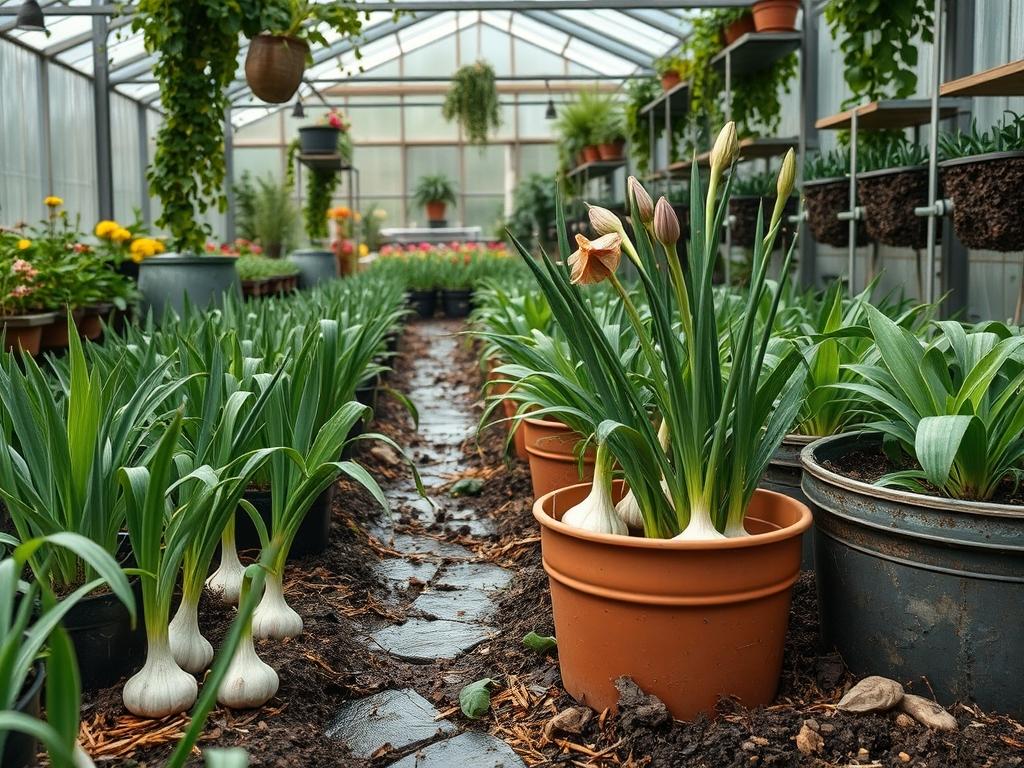
Integrating garlic into a professional landscape design requires more than simply pushing cloves into the dirt; it requires a strategic understanding of site architecture, soil mechanics, and seasonal transitions. For many homeowners, the challenge of backyard garlic planting tips lies in balancing the functional requirements of a high yield crop with the aesthetic demands of a polished outdoor living space. Garlic is a unique architectural element because it occupies the ground during the slowest months of the landscaping calendar. It bridges the visual gap between the late autumn dormancy and the first flush of spring perennials. From a landscape architect’s perspective, garlic offers a structured, vertical foliage that mimics the texture of ornamental grasses, making it an excellent candidate for mixed use borders or structured kitchen gardens. However, successful integration depends heavily on managing the environment to prevent water stagnation and ensuring the site grading supports healthy bulb development. Proper planning ensures that your garlic crop contributes to your property’s curb appeal rather than appearing as an untidy afterthought in a neglected corner of the yard.
Landscape Design Principles
When designing a space for garlic, symmetry and focal points are essential to maintain a formal landscape appearance. Because garlic spends most of its life as a low, green spike, it functions well as a rhythmic border element along gravel walkways or stone retaining walls. Landscape architects often utilize the concept of elevation layers to ensure garlic receives the drainage it requires. Planting garlic in raised beds constructed from cedar or natural stone provides a distinct vertical lift, separating the edible landscape from the surrounding turf. This elevation also assists in defining the focal points of a backyard layout; a well placed garlic bed can serve as a geometric centerpiece in a larger potager garden.
Irrigation planning is another critical pillar of professional garden design. Garlic requires consistent moisture during its active growth phases in the spring, but it cannot tolerate standing water during the winter dormancy. Integrating a dedicated drip irrigation system with a programmable timer allows for precise water delivery to the root zone without wetting the foliage, which reduces the risk of fungal pathogens. Furthermore, visual balance is achieved by pairing the rigid, upright stalks of Hardneck Garlic with softer, mounding companion plants like Thyme or Creeping Phlox. These companions act as a living mulch, suppressing weeds while providing a textural contrast that enhances the overall sophistication of the garden bed.
Plant and Material Selection
Selecting the right variety and supporting materials is the foundation of any successful backyard planting strategy. The following table outlines the technical requirements for common garlic varieties used in professional landscaping.
| Plant Type | Sun Exposure | Soil Needs | Water Demand | Growth Speed | Maintenance Level |
| :— | :— | :— | :— | :— | :— |
| Hardneck Garlic | Full Sun | Well-drained Loam | Moderate | Slow (Overwinter) | Low |
| Softneck Garlic | Full Sun | Rich Silty Loam | Moderate | Medium | Low |
| Elephant Garlic | Full Sun | Loose Organic Soil | Moderate | Slow | Medium |
| Creeping Thyme | Full Sun | Sandy/Gritty | Low | Fast | Low |
| Straw Mulch | N/A | Weed-free | N/A | N/A | Seasonal |
In addition to the plants themselves, material selection for the planting site is paramount. A high quality organic compost should be integrated into the top 6 inches of the soil profile to improve cation exchange capacity and nutrient availability. For hardscaping elements, consider using pea gravel or decomposed granite for surrounding paths. These materials provide a clean, modern aesthetic that complements the rustic nature of a garlic patch while ensuring that foot traffic does not lead to heavy soil compaction near the delicate root systems of the developing bulbs.
Implementation Strategy
The implementation of a garlic landscape begins with precise site grading and soil preparation. Garlic bulbs are highly sensitive to “wet feet,” so the planting area must be graded to shed excess surface water away from the root zone. Begin by clearing the area of all debris and existing weeds. Use a garden rake to level the surface, ensuring there are no low spots where water might collect. If the native soil is heavy clay, incorporate gypsum or expanded shale to improve the internal drainage structure before planting.
Once the site is graded, define the edges of your beds using metal edging or poured concrete curbs. This creates a clean line between the planting area and the lawn, which is a hallmark of professional landscaping. For the actual planting process, use a dibber or a hand trowel to create holes exactly 4 inches deep. Space the individual cloves 6 inches apart in a staggered, triangular pattern rather than straight rows. This configuration maximizes the use of space and creates a denser, more visually appealing mass of foliage in the spring.
After the cloves are set with the pointed end facing upward, backfill the holes with a mixture of native soil and bone meal. Apply a thick layer of clean wheat straw or shredded leaves at a depth of at least 3 inches. This mulch serves three purposes: it regulates soil temperature during the freeze-thaw cycles of winter, it retains moisture during the spring, and it provides a finished, intentional look to the garden bed during the dormant season.
Common Landscaping Failures
One of the most frequent mistakes in backyard garlic cultivation is ignoring the impact of soil compaction. When soil is packed too tightly by heavy machinery or frequent foot traffic, the bulbs cannot expand, resulting in a stunted and misshapen harvest. Professional installs always include designated walking paths to ensure that the planting medium remains light and airy. Another failure involves improper drainage. If a garlic bed is located at the base of a slope or near a downspout without a French drain or similar mitigation strategy, the bulbs will likely rot before they ever sprout.
Overcrowding is another common issue that detracts from both the health of the plants and the visual appeal of the landscape. When cloves are planted too close together, they compete for nutrients and airflow, leading to smaller bulbs and increased susceptibility to rust or mold. Similarly, failing to manage the irrigation cycle as the harvest approaches can be catastrophic. Garlic requires a drying-out period in its final weeks; continuing to apply water during this time can cause the protective tunics to decay, ruining the structural integrity of the bulb.
Seasonal Maintenance
Landscape management for garlic is a year round commitment that changes with the seasons. In the Autumn, the focus is on site preparation and planting before the ground freezes. This is the time to apply a slow release organic fertilizer and ensure the mulch layer is thick enough to protect the cloves from extreme temperature swings. During the Winter, maintenance is minimal, but you should check the beds after heavy storms to ensure the mulch hasn’t blown away, leaving the soil exposed to the elements.
When Spring arrives and the first green shoots emerge, increase the nitrogen levels in the soil by side-dressing the rows with blood meal or liquid seaweed. This is also the time to monitor for weeds, as garlic does not compete well with aggressive grasses. In the Summer, specifically for Hardneck Garlic varieties, you must remove the flower stalks, known as scapes. Removing the scapes directs the plant’s energy away from seed production and back into bulb development. Finally, once the lower leaves begin to turn brown, it is time for the harvest. Use a spading fork to gently lift the bulbs from the ground, taking care not to bruise them. After harvest, the space can be transitioned into a late summer landscape feature, such as a planting of Zinnias or Marigolds, to maintain visual interest until the next planting cycle begins.
Professional Landscaping FAQ
What is the ideal soil pH for backyard garlic?
Garlic thrives in a slightly acidic to neutral environment with a pH between 6.0 and 7.0. You should test your soil in the late summer and adjust with lime or sulfur before the autumn planting season begins.
Can I plant garlic in decorative containers?
Yes, garlic performs well in large, deep containers provided they have excellent drainage. Use a high quality potting mix amended with perlite and ensure the container is at least 12 inches deep to allow for full root expansion.
How does mulch depth affect winter survival?
A mulch depth of 3 to 4 inches is vital for insulating the soil. This prevents the ground from heaving during temperature fluctuations, which can physically push the cloves out of the earth and expose them to lethal freezing temperatures.
Are there specific garlic varieties for warmer climates?
Gardeners in southern regions should choose Softneck Garlic varieties. These types do not require the same prolonged cold stratification period as hardneck varieties, making them more reliable for landscapes in USDA zones 8 and above.
Should I install an irrigation system for my garlic?
A dedicated drip irrigation system is highly recommended for professional results. It ensures uniform moisture delivery directly to the roots without wetting the leaves, which significantly reduces the risk of foliar diseases like downy mildew or rust.