
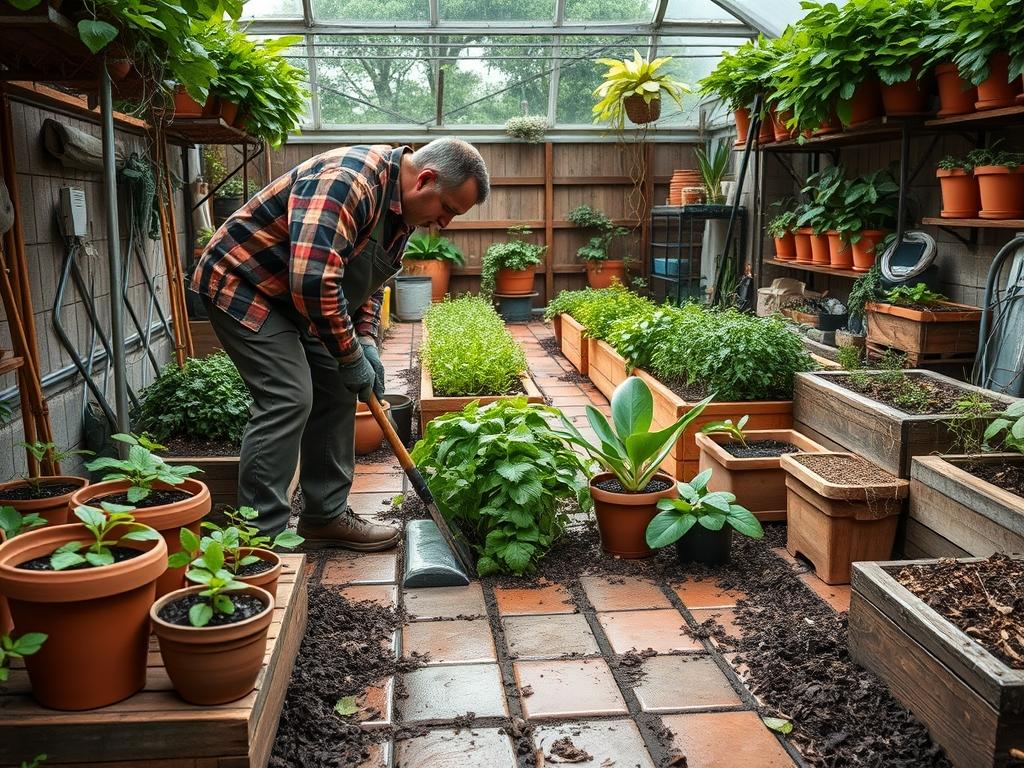
Maintaining a sophisticated outdoor environment requires more than a simple appreciation for aesthetics; it demands a rigorous understanding of the structural and biological factors that influence the longevity of hardscape installations. A brick patio serves as the functional center of many backyard designs, providing a stable surface for social interactions and a visual anchor for the surrounding foliage. However, when invasive species begin to occupy the narrow joints between pavers, the architectural integrity of the space suffers. Backyard Brick Patio Weeding is not merely a task of aesthetic refinement. It is a fundamental maintenance requirement that prevents the displacement of bricks, ensures proper surface drainage, and preserves the overall curb appeal of the residence. When weeds are allowed to mature, their root systems expand within the bedding layer, potentially shifting the base material and creating uneven surfaces that present significant trip hazards.
Landscape Design Principles
Effective landscape design relies on the core concepts of symmetry, focal points, and elevation layers to create a sense of cohesion. When planning a patio, the transition from the hardscape to the softscape should be seamless. A well-designed brick patio incorporates specific grading to move water away from the primary structure toward designated drainage zones. This prevents the accumulation of moisture in the paver joints, which is the primary catalyst for weed growth and moss colonization. Symmetry is often achieved through the use of retaining walls or organized border plantings that frame the patio, creating a clear visual boundary that separates manicured turf from the masonry work.
Visual balance is equally important. Large, expansive patios can feel cold and industrial without the inclusion of organic textures. Designers often use walkways to connect different functional zones, such as an outdoor kitchen or a fire pit area, ensuring that movement through the landscape is intuitive. By planning for irrigation lines beneath the patio during the initial construction phase, homeowners can avoid future disruption to the brickwork. Proper planning also involves considering the elevation of the patio relative to the surrounding lawn. A slightly elevated patio, supported by a robust compacted gravel base, remains drier and less susceptible to the windblown seeds that contribute to the need for frequent weeding.
Plant and Material Selection
Selecting the right materials and complementary plantings is essential for a low-maintenance backyard. The following table highlights species that work well near brick patios without aggressive root systems that might disturb the hardscape.
| Plant Type | Sun Exposure | Soil Needs | Water Demand | Growth Speed | Maintenance Level |
| :— | :— | :— | :— | :— | :— |
| Creeping Thyme | Full Sun | Well-drained | Low | Moderate | Low |
| Blue Star Creeper | Sun to Part Shade | Loamy | Moderate | Fast | Moderate |
| Irish Moss | Part Shade | Moist/Well-drained | Moderate | Slow | Medium |
| Dwarf Mondo Grass | Shade to Sun | Adaptable | Low to Moderate | Slow | Extra Low |
| Sedum (Stonecrop) | Full Sun | Sandy/Poor | Very Low | Moderate | Low |
Implementation Strategy
A successful strategy for Backyard Brick Patio Weeding begins with a thorough assessment of the current state of the paver joints. If the patio has been neglected for several seasons, the first step involves the mechanical removal of existing vegetation. Using a steel wire brush or a specialized manual weeding tool, the root systems must be extracted from the crevices. Avoid simply pulling the tops off the weeds, as this leaves the taproots intact, allowing for rapid regrowth. For larger areas, a pressure washer can be effective, provided it is used at an angle that does not displace the underlying leveling sand.
Once the joints are cleared of organic debris, the focus shifts to prevention. The application of polymeric sand is the gold standard in modern hardscaping. This material contains chemical binders that, when activated by water, harden to create a flexible but semi-impermeable barrier. This barrier prevents seeds from reaching the soil below and inhibits the upward growth of any remaining root fragments. Before applying the sand, ensure the bricks are completely dry and the joints are clean to a depth of at least 1 inch. Sweep the sand into the joints, remove any excess from the surface of the bricks, and mist the area lightly with a garden hose to set the adhesive.
Furthermore, managing the surrounding environment is crucial. Applying a 2 inch layer of organic mulch to adjacent garden beds reduces the number of airborne seeds that land on the patio. Installing professional-grade edging along the perimeter of the brickwork creates a physical barrier against encroaching grass stolons and rhizomes. If the patio suffers from persistent weed issues despite these measures, a diluted solution of white vinegar and water can be used as a natural desiccant for young sprouts, though it should be applied carefully to avoid altering the pH of nearby soil.
Common Landscaping Failures
The most frequent failure in patio maintenance is the neglect of the sub-base and drainage. If the ground is not properly excavated and filled with 3/4 inch minus crushed rock, the patio will experience shifting due to frost heave or soil expansion. This movement opens wide gaps between the bricks, inviting weed growth. Another common mistake is improper grading. A patio must slope away from the home at a rate of at least 1/4 inch per foot. Without this slope, water pools on the surface, saturating the joint sand and creating a hospitable environment for moss and weeds.
Root overcrowding also presents a significant risk to brickwork. Planting large trees with aggressive, surface-level root systems near a patio will eventually lead to the lifting and cracking of the pavers. Maintaining a safe distance from species like willows or maples is mandatory for long-term patio health. Finally, many homeowners fail to recognize the dangers of soil compaction. When the surrounding lawn becomes too compacted, water cannot penetrate the soil and instead runs across the surface, carrying weed seeds and silt directly into the patio joints. Regular aeration of the surrounding turf can mitigate this risk.
Seasonal Maintenance
Landscape management is a year-round commitment that changes with the climate. In the spring, the primary goal is to address any damage caused by the freeze-thaw cycle. Inspect the joints for gaps and reapply polymeric sand where necessary. This is also the time to apply a pre-emergent herbicide if the property has a history of heavy weed infestation. As summer arrives, the focus shifts to moisture control. Ensure that irrigation systems are not over-spraying onto the brickwork, as excessive moisture promotes the growth of algae and liverworts.
Autumn requires the diligent removal of leaf litter. Decaying organic matter provides the perfect substrate for weed seeds to germinate within the joints. Use a leaf blower or a stiff broom to keep the surface clear. Finally, winter maintenance involves careful snow removal. Avoid using heavy metal shovels that can chip the edges of the bricks. If ice melt is necessary, choose products that are labeled as safe for concrete and masonry to prevent chemical pitting. Periodically checking the drainage outlets to ensure they are not blocked by ice or debris will prevent water from backing up under the patio during the mid-winter thaws.
Professional Landscaping FAQ
What is the best way to prevent weeds permanently?
While no method is entirely permanent, using high-quality polymeric sand in the joints creates a hardened barrier that significantly inhibits weed growth for several years. Regular cleaning and prompt removal of organic material are necessary to maintain this barrier.
Does a pressure washer damage brick patios?
If used at excessive pressures or too close to the surface, a pressure washer can pit the bricks and blast out the essential bedding sand. Always use a wide-angle nozzle and maintain a consistent distance from the pavers.
Can I use salt to kill patio weeds?
Using salt is discouraged because it can leach into the surrounding soil, killing desirable plants and damaging the structural integrity of the bricks. Salt also causes white efflorescence staining on the masonry surface that is difficult to remove.
How often should I re-sand my brick patio?
Typically, a patio should be inspected annually. However, full re-sanding with polymeric sand is generally only required every three to five years, depending on the weather conditions and the amount of foot traffic the area receives.
Why do weeds keep coming back even after pulling them?
Weeds often return because the entire root system was not removed. Many weeds have deep taproots or horizontal runners. Additionally, if the vacant joint is not filled with joint sand, new seeds will quickly find a home.