
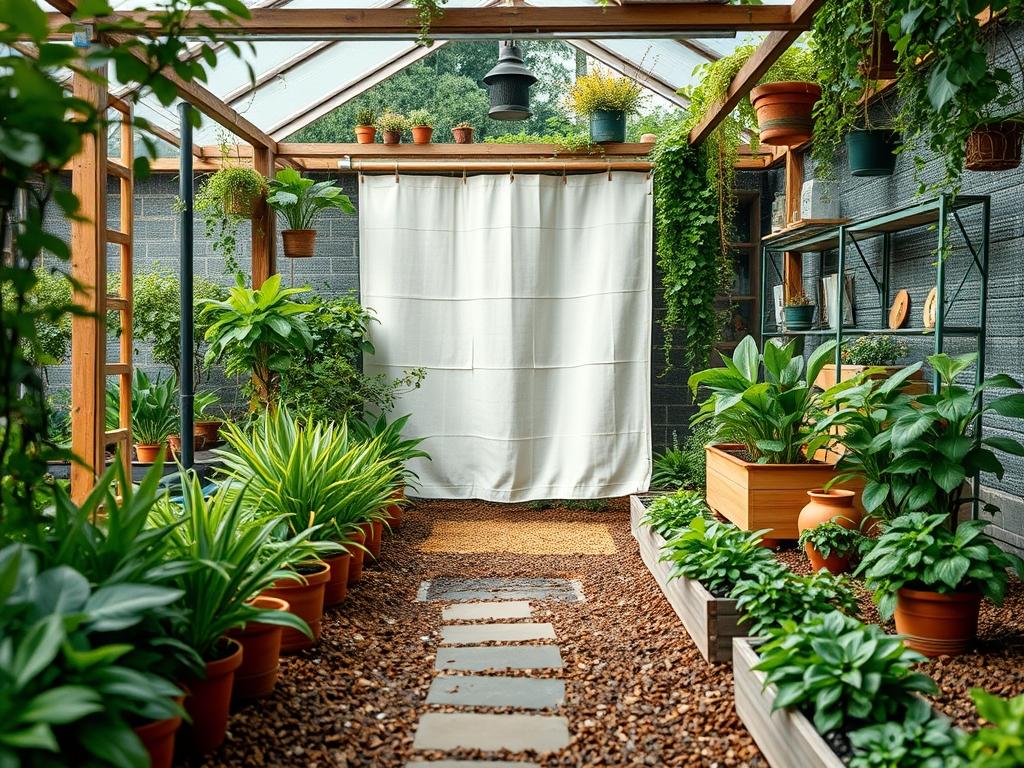
Privacy in the modern residential landscape is no longer just a luxury; it is a fundamental requirement for creating a sanctuary within increasingly dense suburban and urban environments. As a senior landscape architect, I often encounter clients who struggle with sightlines from neighboring second story windows or the visual noise of adjacent properties. While traditional solutions like wooden fences or masonry walls offer permanence, they frequently encounter zoning restrictions, high labor costs, and long installation timelines. This is where Backyard Privacy Fabric Screens transition from a temporary fix to a high performance design element. When integrated with professional grading and thoughtful horticultural layering, these high density polyethylene (HDPE) or vinyl coated polyester materials provide immediate seclusion while allowing for essential airflow. The challenge lies in harmonizing these synthetic materials with the organic rhythm of a living garden. We must consider the prevailing wind loads, the angle of the sun at the summer solstice, and the existing site drainage before a single anchor is driven into the soil.
Landscape Design Principles
Successful site planning begins with an understanding of spatial hierarchy and the concept of outdoor rooms. When utilizing Backyard Privacy Fabric Screens, you are essentially defining the vertical boundaries of your environment. Symmetry plays a crucial role here, especially in formal gardens where screens serve as a consistent backdrop for focal points like a tiered fountain or a sculptural specimen tree. To avoid a flat or monolithic appearance, designers use elevation layers. This involves staggering the height of screens and supplementing them with foreground plantings that graduate in height. For instance, placing a 6-foot privacy screen behind a retaining wall creates a sense of depth and architectural intent rather than a sense of enclosure.
Visual balance requires that the weight of the screen be offset by the texture of the surrounding landscape. If a screen is installed along a long boundary, breaking up the linear run with a perlonga or a series of columnar evergreens prevents “tunnel vision.” Irrigation planning should occur simultaneously with screen placement; ensuring that sub-surface lines are not punctured during the installation of tension posts or ground anchors. Walkways should be designed to lead the eye toward intentional openings or transitions, using the fabric as a curtain that reveals different “vignettes” of the garden. By treating the fabric as a canvas for light and shadow, the landscape architect transforms a functional barrier into a design asset.
Plant and Material Selection
The integration of flora with fabric screens requires a selection of species that can handle the microclimate created by a windbreak. Fabrics can reduce wind speed but may also trap heat, making it vital to choose resilient species.
| Plant Type | Sun Exposure | Soil Needs | Water Demand | Growth Speed | Maintenance |
| :— | :— | :— | :— | :— | :— |
| Thuja Green Giant | Full Sun | Well-drained | Moderate | Fast | Low |
| Miscanthus Sinensis | Full Sun | Adaptable | Low | Fast | Annual Cutback |
| Hydrangea Macrophylla | Part Shade | Rich, Moist | High | Medium | Moderate |
| Ilex Glabra | Full to Part Sun | Acidic, Moist | Moderate | Medium | Low |
| Trachelospermum | Full to Part Sun | Loamy | Moderate | Fast | Pruning |
| Calamagrostis | Full Sun | Any | Low | Moderate | Low |
Implementation Strategy
The process begins with a precise site survey to identify property lines and underground utilities. Grading is the most critical first step; the ground must slope away from the screen’s foundation at a minimum rate of 2 percent to prevent water from pooling at the base of the support structure. Once the grade is established, the layout of the support posts is marked. For Backyard Privacy Fabric Screens, posts should be set at intervals no greater than 8 feet depending on the wind rating of the fabric. Use a power auger to dig footings to a depth of at least 24 to 36 inches, ensuring you are below the local frost line to prevent heaving.
Once the hardscaping elements are secure, attention shifts to the soil. Before installing the fabric, amend the planting beds with organic compost and ensure the final soil level is 2 inches below any hardscape edging to allow for mulch. Apply a 3-inch layer of hardwood mulch to suppress weeds and retain moisture. When attaching the fabric, use UV-rated zip ties or stainless steel grommet clips, maintaining enough tension to prevent sagging without overstressing the material. This structural sequence ensures that the softscape and the privacy screen function as a single, cohesive unit.
Common Landscaping Failures
The most frequent error in outdoor privacy projects is the failure to account for “wind sail” effects. A large, continuous run of Backyard Privacy Fabric Screens acts as a giant sail in high winds. Without proper anchoring or the use of mesh with a 10 to 15 percent openness factor, the structural posts may lean or snap during a storm. Another common mistake is poor drainage planning around the base of the screen. If fabric is installed too close to the ground, it can trap debris and moisture, leading to mold on the fabric or crown rot in adjacent plants.
Root overcrowding is another specialized concern. Homeowners often plant aggressive screening plants too close to the screen’s foundation. Over time, the expanding root systems of species like Leyland Cypress can heave the footings of the screen posts, destroying the alignment of the privacy barrier. Finally, ignoring irrigation inefficiencies is a recipe for disaster. If high-pressure sprinkler heads are aimed directly at many types of fabric, the mineral buildup from the water will cause unsightly staining and premature degradation of the material.
Seasonal Maintenance
Landscape management is a year-round commitment. In the spring, inspect all tension cables and fasteners that hold the privacy screens in place. This is the time to apply a slow-release fertilizer to the surrounding garden beds and check for any frost heave that may have affected the posts. Summer maintenance focuses on hydration and cleanliness. Use a low-pressure garden hose to wash dust and pollen off the fabric, which maintains its color and allows for better airflow. Ensure that the irrigation timer is adjusted for peak heat.
Autumn is the season for debris management. Leaf litter trapped against the bottom of a fabric screen should be removed with a leaf blower or rake to prevent fungal growth. Prune any perennial grasses or shrubs that have begun to crowd the screen surface. In winter, if you live in a region with heavy snowfall, it may be necessary to temporarily remove the fabric or ensure it is taut enough that snow cannot accumulate in sagging pockets. Check retaining walls for cracks and ensure that drainage weep holes remain clear of ice.
Professional Landscaping FAQ
How do you clean heavy staining on fabric screens?
Mix a solution of mild soap and warm water. Use a soft-bristle brush to gently scrub the area, then rinse thoroughly with a garden hose. Avoid using bleach or pressure washers, as these can damage the UV coating and fibers.
Can fabric screens be used to protect plants from wind?
Yes, screens with a moderate mesh density serve as excellent windbreaks. They reduce the velocity of prevailing winds, which prevents “wind burn” on sensitive species like Japanese Maples or young Boxwoods while still allowing enough air circulation to prevent stagnant heat.
What is the best way to hide the base of the screen?
Utilize a “layered planting” approach. Place low-growing shrubs or ornamental grasses in front of the screen. Using 2-inch round river stone or dark mulch at the immediate base also creates a clean, professional transition between the fabric and the soil.
Do these screens affect property value or curb appeal?
When installed with professional-grade aluminum or powder-coated steel posts, fabric screens are seen as a high-end architectural feature. They enhance curb appeal by hiding unsightly equipment like AC units and providing a clean, contemporary aesthetic to the backyard.
How long will professional-grade privacy fabric last?
High-quality HDPE fabric typically lasts between 5 to 10 years depending on UV exposure and local weather conditions. Selecting a material with a high GSM (Grams per Square Meter) rating ensures the longest possible lifespan for your investment.