
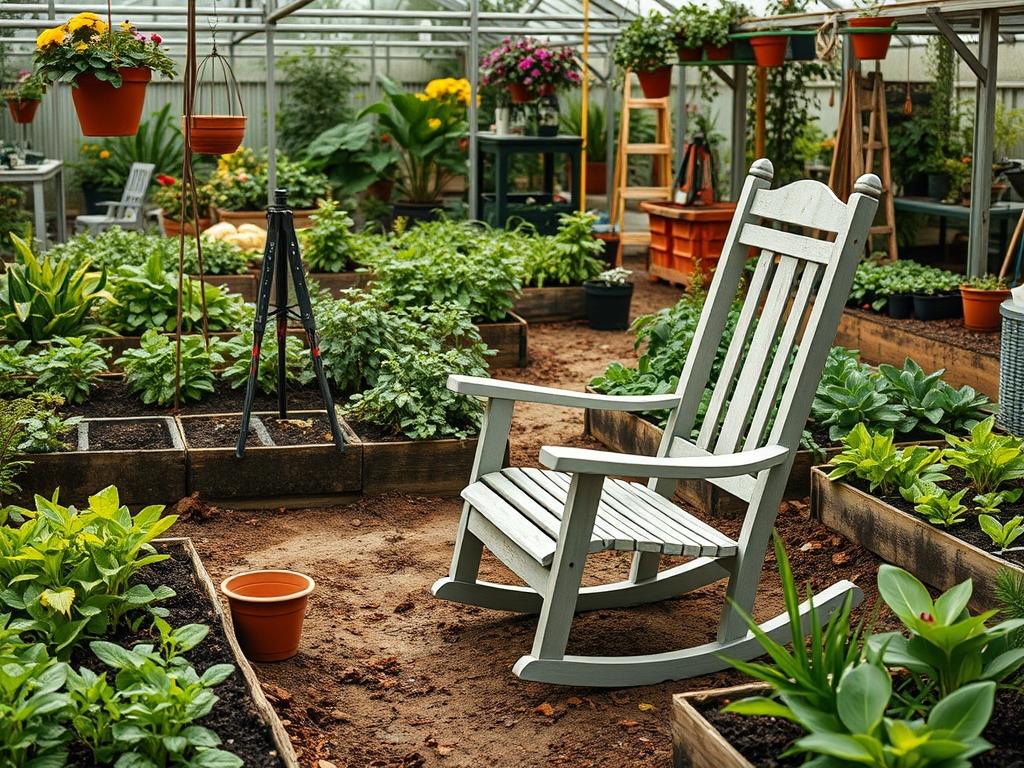
Creating a cohesive outdoor environment requires a sophisticated understanding of how furniture and flora interact within a specific microclimate. When we approach the design of a transitional space, such as a patio or a secluded garden nook, the selection of Backyard Rocking Chairs is not merely a matter of aesthetics; it is a structural decision that influences the long-term viability of the site. A chair that succumbs to rot or rust becomes a maintenance liability and a safety hazard. Therefore, a professional landscape plan must account for material durability, weight distribution on various surfaces, and the chemical interactions between wood finishes and stone pavers. We consider the site’s topography and wind patterns to ensure that the chosen furniture remains an asset rather than an obstacle. By integrating high-quality materials into a well-graded and drained landscape, we enhance the functional lifespan of every component, from the perennial borders to the seating itself.
Landscape Design Principles
For a landscape to feel intentional, it must adhere to the core tenets of balance and scale. We utilize symmetry to create a sense of formal grandeur, often flanking a central focal point, such as a bubbling water feature or a stone hearth, with a pair of Teak or HDPE rockers. These pieces serve as visual anchors that draw the eye through the garden. Elevation layers play a critical role here. By elevating a seating area even a few inches above the surrounding garden beds using a retaining wall or a tiered deck, we define the area as a distinct outdoor room. This separation helps with air circulation and prevents the furniture from sitting in stagnant moisture, which is the primary enemy of even the most durable materials.
Irrigation planning is secondary only to the layout itself. We ensure that automated spray heads do not directly douse the furniture during their cycles. High-mineral water can leave unsightly deposits on dark surfaces or accelerate the oxidation of metal fasteners. Walkways should be wide enough, typically 48 inches, to allow for easy passage around furniture without stepping into delicate planting beds. Visual balance is achieved by grounding heavy furniture materials with airy, textured plants. A heavy Wrought Iron rocker, for instance, looks best when softened by the movement of Ornamental Grasses.
Plant and Material Selection
The following table outlines plants that complement a dedicated seating area while maintaining a low-debris profile to protect your furniture.
| Plant Type | Sun Exposure | Soil Needs | Water Demand | Growth Speed | Maintenance Level |
| :— | :— | :— | :— | :— | :— |
| English Lavender | Full Sun | Well-Drained | Low | Medium | Low |
| Dwarf Boxwood | Part Shade | Loamy | Moderate | Slow | Medium |
| Blue Oat Grass | Full Sun | Sandy/Dry | Low | Fast | Low |
| Japanese Maple | Filtered Sun | Rich/Moist | Moderate | Slow | High |
| Creeping Thyme | Full Sun | Poor/Rocky | Low | Fast | Low |
| Oakleaf Hydrangea| Part Shade | Acidic | High | Medium | Medium |
When selecting materials for the furniture itself, Ipe and Grade A Teak offer the highest resistance to rot and insect infestation due to their dense grain and natural oils. For more contemporary or low-maintenance environments, High-Density Polyethylene (HDPE) lumber provides incredible weather resistance and does not require sealing. In high-wind areas, Cast Aluminum or Heavy-Gauge Steel ensures that your Backyard Rocking Chairs do not move during storms.
Implementation Strategy
The successful installation of an outdoor lounge area begins with site preparation. We start with Grading, ensuring the ground slopes away from any structures at a minimum of a 2 percent grade. This prevents water from pooling under the furniture. Once the subgrade is established, we install a Non-woven Geotextile Fabric to separate the soil from the base material, followed by 4 inches of compacted Crushed Stone.
For the surface, we often recommend Permeable Pavers or a high-quality Flagstone set in a bed of sand or fine gravel. This allows rain to infiltrate the ground directly, keeping the furniture feet dry. The edging should be crisp, using steel or heavy-duty plastic to keep mulch from migrating onto the seating area. We suggest a 3-inch layer of Premium Hardwood Mulch in the surrounding beds. This depth is sufficient to retain moisture for the plants while suppressing weeds, but not so deep that it holds excess humidity around the base of the furniture. If the area is prone to saturation, a French Drain may be buried beneath the gravel bed to divert water to a lower point on the property.
Common Landscaping Failures
The most frequent mistake in backyard planning is a failure to account for drainage. If water collects beneath a wooden rocking chair, the constant exposure to high humidity will cause the wood to check and split prematurely. Another common issue is root overcrowding. Planting large-canopy trees too close to a paved area can lead to root heave, which cracks pavers and creates an uneven surface for rocking chairs. We recommend a minimum distance of 10 feet for medium-sized trees.
Improper spacing is also a major hurdle. Designers often forget to leave “dwell space” around furniture, making the area feel cramped and unusable. Soil compaction is another silent killer; when construction occurs without protecting the soil, the ground loses its ability to breathe and drain, leading to plant death and foundation shifting. Lastly, irrigation inefficiencies, such as misaligned sprayers, can cause lopsided growth in plants and accelerated wear on outdoor fabrics and wood finishes.
Seasonal Maintenance
Landscape management is a year-round commitment that changes with the light and temperature. In the Spring, the focus is on inspection and rejuvenation. We check for frost heave in the stone walkways and apply a fresh layer of Pre-emergent Herbicide to the beds. This is also the time to wash any salt or winter grime off the Backyard Rocking Chairs using a mild, ph-neutral soap.
Summer requires diligent irrigation monitoring and deadheading of flowering perennials to keep the view from the seat vibrant. We monitor for pests that might nest in the undersides of the furniture. As Autumn arrives, the priority shifts to leaf management. Fallen leaves trap moisture; if they are allowed to pile up around the base of the chairs, they can cause staining or decay. Finally, during Winter, we recommend either covering the furniture with breathable, waterproof covers or moving it to a sheltered location. If the chairs remain outdoors, we ensure they are not placed in the path of falling ice or snow from the roofline.
Professional Landscaping FAQ
What is the best material for chairs in high-humidity climates?
HDPE lumber or Grade A Teak are superior choices. These materials resist the rot, mold, and mildew common in damp environments. Unlike inferior woods, they do not swell or warp when exposed to frequent rainfall.
How do I prevent my rocking chairs from sinking into the grass?
Always place furniture on a solid foundation like Pavers, Flagstone, or a Compacted Gravel Pad. If you must use grass, install small, discreet Stepping Stones specifically where the runners of the chair make contact with the ground.
Will mulch damage the finish of my outdoor furniture?
Excessive mulch can hold moisture against the legs of your chairs, leading to decay. Keep a 2-inch gap between the edge of your furniture and the start of the mulched garden beds to ensure proper airflow.
What is the ideal clearance for a rocking chair on a porch?
Allow for at least 3 feet of clearance behind the chair and 2 feet in front to accommodate the rocking motion. Side clearance should be at least 18 inches to allow for easy access and side tables.
How often should I seal wooden backyard furniture?
Most hardwoods like Ipe can be left to weather to a silver-grey. However, if you wish to maintain the original color, apply a high-quality UV-Rated Oil once a year after a thorough cleaning and light sanding.