
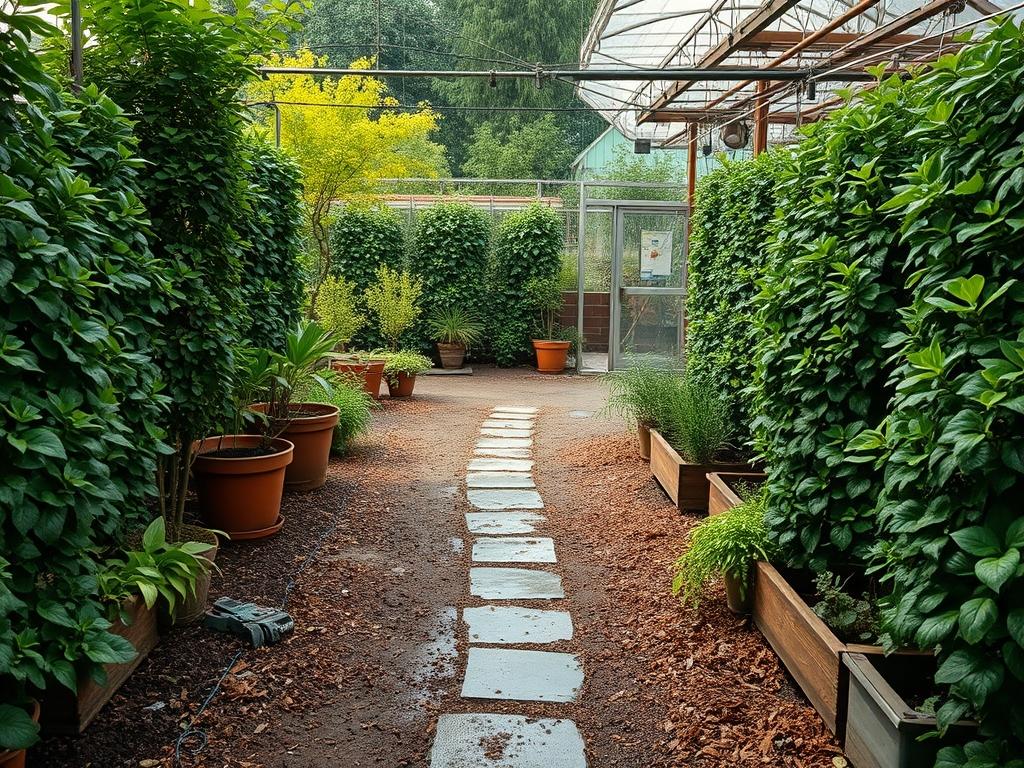
Creating a functional outdoor sanctuary in 2026 requires more than a simple row of shrubs. As urban density increases and private space becomes a premium commodity, the demand for sophisticated Backyard Privacy Hedge Plants has evolved from basic boundary marking to complex ecosystem services. A well designed living wall provides a psychological barrier, reduces noise pollution, and modifies the local microclimate of a residential lot. Modern landscape architecture now prioritizes climate resilience and biodiversity alongside the traditional goal of visual screening. To achieve a seamless transition between the built environment and the natural world, one must view the hedge as a structural component of the home. This requires a deep understanding of botanical growth patterns, soil mechanics, and the long term maintenance requirements that dictate the success or failure of a green screen.
Selecting the right species involves balancing aesthetic desires with the harsh realities of local site conditions. We are seeing a move away from monocultures toward polyculture hedging, where multiple species are interwoven to create a more resilient and visually interesting barrier. This approach mitigates the risk of total loss due to species specific pests or diseases, which have historically decimated uniform rows of Leyland Cypress. By integrating varied textures and colors, homeowners can enhance their curb appeal while simultaneously creating a habitat for beneficial pollinators. Every choice made during the planning phase impacts the property value and the overall functionality of the outdoor living space, making it essential to treat the living wall as a permanent infrastructure investment.
Landscape Design Principles
Effective privacy screening relies on the fundamental principles of symmetry and visual balance. When designing a perimeter, the Senior Architect considers how the height of the hedge relates to the elevation of the primary dwelling. A hedge that is too tall can make a small courtyard feel subterranean, while one that is too short fails to provide the necessary acoustic buffering from neighboring properties. We utilize the concept of focal points to draw the eye toward curated garden features, using the hedge as a dark green backdrop that makes the colors of ornamental specimens pop.
Elevation layers are critical for a natural appearance. Instead of a flat wall, professional designers often utilize a staggered planting pattern, sometimes referred to as a “Z” pattern. This allows for greater airflow and light penetration, reducing the risk of fungal infections in the interior of the plants. Furthermore, the integration of walkways and hardscaping must be planned concurrently with the hedge. A 4 foot wide clear zone should be maintained between the mature width of the hedge and any permanent structures or walkways to ensure ease of maintenance and to prevent root pressure from buckling pavers or stone paths. Visual balance is achieved by grounding the tall vertical elements with lower shrubs and perennials, creating a soft transition from the ground plane to the sky.
Plant and Material Selection
| Plant Type | Sun Exposure | Soil Needs | Water Demand | Growth Speed | Maintenance Level |
| :— | :— | :— | :— | :— | :— |
| Thuja Green Giant | Full Sun to Part Shade | Moist, Well-Drained | Moderate | Fast | Low |
| Prunus laurocerasus | Full Sun to Full Shade | Rich, Acidic | Moderate | Fast | Medium |
| Ilex x meserveae | Part Sun to Part Shade | Moist, Loamy | Low | Moderate | Low |
| Taxus baccata | Full Sun to Full Shade | Well-Drained, Alkaline | Moderate | Slow | High (Pruning) |
| Fargesia (Clumping Bamboo) | Part Shade | Rich, Retentive | High | Very Fast | Medium |
| Carpinus betulus | Full Sun | Heavy Clay/Any | Moderate | Moderate | High (Pleaching) |
Implementation Strategy
The successful installation of Backyard Privacy Hedge Plants begins with a rigorous site preparation phase. Before any plants arrive, the area must be graded to ensure that water moves away from the root balls and the home foundation. If the soil is heavy clay, we often install a 4 inch perforated PVC drainage pipe in a gravel-lined trench beneath the planting line to prevent root rot. Once the grading is verified, a trench should be excavated rather than individual holes. This trench should be twice as wide as the root balls and exactly the same depth to ensure the root flare remains at the soil surface.
Soil amendments should be mixed into the backfill based on a professional soil test. We generally avoid high nitrogen fertilizers at the moment of planting, opting instead for a mycorrhizal inoculant to stimulate root development. Once the plants are positioned and the trench is backfilled, a 3 inch layer of arborist wood chips or double-ground hardwood mulch should be applied across the entire planting bed. It is vital to keep the mulch 2 inches away from the stems of the plants to avoid rot. Finally, the installation of a drip line irrigation system with pressure-compensating emitters ensures that each plant receives precise hydration without wasting water through evaporation or runoff.
Common Landscaping Failures
One of the most frequent mistakes in backyard screening is improper spacing. Homeowners, eager for immediate privacy, often plant specimens too close together. Over time, this leads to root overcrowding and intense competition for nutrients, which results in the lower branches dying back and leaving “see-through” gaps at the base of the hedge. For instance, Thuja occidentalis should generally be spaced at least 5 feet on center to allow for long term health. Another critical failure is soil compaction. During construction or heavy gardening, the pore spaces in the soil are crushed, preventing oxygen from reaching the roots. Using a broadfork or mechanical aerator before planting can mitigate this issue.
Irrigation inefficiencies also rank high among common failures. Overhead sprinklers are often inadequate for dense hedges, as the water is intercepted by the foliage and never reaches the root zone. This creates a humid environment conducive to Boxwood Blight or needle cast diseases. Furthermore, the “bathtub effect” occurs when a planting hole is dug into heavy clay and backfilled with light, sandy soil. The hole acts as a reservoir, drowning the plant during heavy rains. Proper drainage planning and consistent soil texture throughout the planting zone are the only way to prevent this specific type of specimen loss.
Seasonal Maintenance
Spring is the season for structural integrity and nutrient management. As the ground thaws, apply a slow-release fertilizer and check the tension on any stabilizing stakes or wires used for younger trees. This is also the time for remedial pruning. Use sharp bypass pruners or loppers to remove any winter-damaged wood. In Summer, the focus shifts to hydration and pest monitoring. During periods of extreme heat, the drip line should be run in the early morning to minimize transpiration stress. Inspect the interior foliage for spider mites or scale, which thrive in stagnant, hot air.
Autumn is the ideal window for “hard” pruning for certain species like Taxus. It is also the time to replenish mulch layers to protect the root systems from the upcoming freeze-thaw cycles. Ensure that evergreens receive deep watering until the ground actually freezes, as they continue to lose moisture through their needles all winter. During Winter, management is mostly passive, but it involves monitoring for heavy snow loads. Using a soft broom to gently brush heavy accumulation off branches can prevent structural limb breakage. Avoid using de-icing salts near the hedge line, as the runoff will increase soil salinity and dehydrate the root systems of your Backyard Privacy Hedge Plants.
Professional Landscaping FAQ
How deep should the mulch be around new hedges?
A depth of 3 inches is ideal for moisture retention and weed suppression. Always ensure the material is kept 2 inches away from the trunk to prevent bark decay and pest entry into the structural wood of the plant.
Are there fast growing options that stay evergreen?
The Thuja Green Giant is a premier choice, often growing up to 3 feet per year under optimal conditions. It maintains a dense, conical shape and provides excellent year round opacity for residential privacy and wind reduction.
How do I prevent my hedge from getting thin at the bottom?
Ensure you prune the hedge into a slight trapezoid shape where the top is narrower than the base. This “tapering” allows sunlight to reach the lower branches, preventing the shaded-out leaf drop that creates gaps at the ground level.
Can I plant privacy hedges in heavy clay soil?
Yes, provided you select tolerant species like Carpinus betulus or Ilex. You must also improve the site’s drainage by slightly mounding the planting row and incorporating organic matter to improve the soil structure and aerobic capacity.
What is the best way to water a long privacy screen?
Install a dedicated drip line irrigation system with emitters spaced every 12 inches. This delivers water directly to the root zone, reduces weed growth by keeping the surface dry, and prevents fungal diseases associated with wet foliage.