
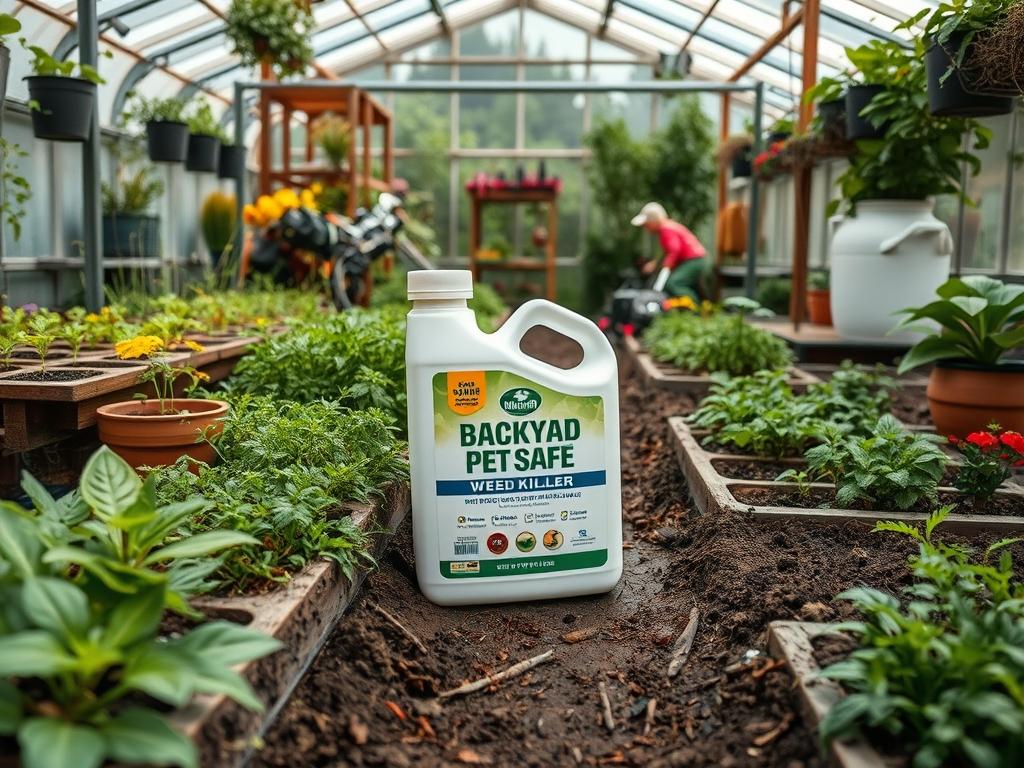
Establishing a pristine outdoor environment requires a delicate balance between structural engineering and biological management. For many homeowners, the primary challenge lies in maintaining a weed free aesthetic while ensuring the safety of domestic animals that utilize the space daily. Traditional chemical herbicides often contain synthetic compounds that can linger on foliage or leach into the soil, posing risks to curious pets that explore their surroundings through scent and touch. Achieving a high end landscape design necessitates the integration of a Backyard Pet Safe Weed Killer strategy that preserves the health of the ecosystem without sacrificing curb appeal. A professional approach involves more than just spot treating unwanted growth; it requires a comprehensive understanding of soil health, drainage patterns, and site specific microclimates. By prioritizing non toxic alternatives, a landscape architect can create a functional sanctuary that serves both the aesthetic desires of the client and the physiological needs of their pets.
Landscape Design Principles
Successful landscaping is built upon a foundation of spatial organization and visual hierarchy. Symmetry plays a vital role in formal designs, where mirrored plantings and balanced hardscaping elements create a sense of order and permanence. Conversely, asymmetrical designs allow for a more natural, fluid movement throughout the property, often utilizing curved walkways and staggered elevation changes to guide the eye. Focal points, such as an architectural retaining wall or a stately specimen tree, provide the viewer with a destination, anchoring the surrounding vegetation.
Elevation layers are essential for creating depth. This is achieved by placing taller canopy trees at the periphery, followed by intermediate decorative shrubs, and finishing with low growing groundcovers. This tiered approach mimics natural forest structures and maximizes vertical space. Irrigation planning must be integrated during the initial design phase to ensure that water delivery is targeted and efficient. Subsurface drip irrigation systems are often preferred in pet friendly yards because they keep the surface soil dry, which discourages the germination of weed seeds and prevents pets from coming into contact with damp, muddy patches. Visual balance is maintained by contrasting textures, such as the fine needles of a Juniper against the broad leaves of a Hosta, ensuring the garden remains engaging throughout the year.
Plant and Material Selection
Selecting the right materials is the most critical step in minimizing future maintenance and ensuring safety. The following table outlines several hardy, pet safe options frequently used in professional landscape installations.
| Plant Type | Sun Exposure | Soil Needs | Water Demand | Growth Speed | Maintenance Level |
| :— | :— | :— | :— | :— | :— |
| Bermuda Grass | Full Sun | Well Drained | Moderate | Fast | Moderate |
| Lavender | Full Sun | Sandy/Alkaline | Low | Medium | Low |
| Boxwood | Partial Shade | Loamy | Moderate | Slow | High (Pruning) |
| Creeping Thyme | Full Sun | Gritty/Lean | Low | Medium | Very Low |
| Blue Fescue | Full Sun | Well Drained | Low | Medium | Low |
| Daylily | Full/Partial | Adaptable | Moderate | Fast | Low |
In addition to plant life, material selection for mulch and edging determines the efficacy of your weed suppression. Avoid cocoa bean mulch, as it is toxic to dogs; instead, opt for triple shredded hardwood mulch or pine bark nuggets. For a more permanent solution, crushed granite or river rock can be used in high traffic areas where pets frequently run.
Implementation Strategy
The implementation of a professional grade backyard requires a systematic approach to site preparation. First, the site must be cleared of existing debris and invasive species. Grading is the next priority. The transition of the land should move water away from the home foundation at a slope of at least 2 percent. Proper drainage prevents the pooling of stagnant water, which can kill desired plants and encourage the growth of water loving weeds like nutsedge.
Once the grade is established, define the garden beds using professional steel edging or poured concrete curbs. These barriers provide a clean line for the mower and prevent the roots of lawn grass from encroaching into the ornamental beds. Before planting, a layer of landscape fabric is sometimes applied, though many architects prefer a thick application of organic mulch to improve soil quality over time. When installing plants, ensure the root ball is level with the soil surface to prevent crown rot.
To manage unwanted growth within this new layout, a Backyard Pet Safe Weed Killer such as 20 percent acetic acid (horticultural vinegar) can be utilized. This concentrated solution, when mixed with a small amount of Castile soap, acts as a desiccant, stripping the waxy cuticle from weed leaves and causing them to wither in the sun. For pre-emergent control, corn gluten meal can be spread over the lawn in early spring. This protein byproduct of corn processing prevents seeds from establishing roots, yet it remains completely safe for pets to walk on immediately after application.
Common Landscaping Failures
The most frequent error in residential landscaping is the failure to account for the mature size of plants. Root overcrowding happens when specimen trees are planted too close to retaining walls or walkways, leading to cracked masonry and uplifted pavers within five to ten years. Improper spacing also reduces airflow, which creates a humid environment ripe for fungal pathogens.
Soil compaction is another significant hurdle. Heavy foot traffic from large dogs can compress the soil, eliminating the air pockets necessary for root respiration. Without adequate oxygen, the desired turf grass thins out, allowing hardy weeds like dandelion and plantain to take over. Finally, irrigation inefficiencies, such as overwatering, can lead to nutrient leaching. When the soil is saturated, essential minerals are washed away, leaving the plants weakened and susceptible to pests. A professional soil test should be performed annually to ensure the pH level remains between 6.0 and 7.0 for optimal nutrient uptake.
Seasonal Maintenance
Landscape management is a year round commitment that shifts with the climate. In the spring, the focus is on rejuvenation. This involves removing winter debris, applying a 1 inch layer of fresh compost, and utilizing corn gluten meal to suppress the first wave of crabgrass. Pruning should be handled with care; only summer blooming shrubs should be cut back in early spring.
Summer maintenance centers on moisture management and weed suppression. During periods of high heat, increase the mowing height of Bermuda grass or Fescue to 3.5 inches to shade the soil and keep the roots cool. If weeds appear in the cracks of paver patios, use a propane torch for thermal weeding or apply a Backyard Pet Safe Weed Killer made of salt, vinegar, and water. This combination is effective on non-porous surfaces but should be kept away from garden beds where it can alter soil salinity.
Autumn is the ideal time for structural adjustments and aeration. Core aeration relieves soil compaction and allows water to reach the root zone more effectively. It is also the best window for planting new perennials and evergreens, as the cooler air and warm soil encourage rapid root establishment before the ground freezes. Winter management involves protecting sensitive species from frost and ensuring that irrigation systems are properly winterized to prevent burst pipes.
Professional Landscaping FAQ
What is the safest way to kill weeds in a dog run?
The most effective pet safe method is using boiling water. Pouring it directly over the weeds causes immediate cell collapse. For larger areas, a vinegar based spray with a 20 percent concentration provides a quick, non toxic knockdown of broadleaf weeds.
How deep should my mulch be to prevent weed growth?
A depth of 3 inches is the industry standard. This thickness is sufficient to block sunlight from reaching weed seeds while still allowing moisture and oxygen to reach the roots of your ornamental plants and trees.
Can I use salt as a natural weed killer?
Use salt only on permanent paths or driveways. Salt is a powerful herbicide that sterilizes the soil, meaning nothing will grow in that spot for a long time. It can also run off during rain and damage your desired lawn.
How do I stop my pet from digging in the garden?
Incorporate physical barriers like decorative boulders or low picket fencing. You can also use scents that pets dislike, such as citrus peels or rosemary, which are harmless to the animal but act as a natural deterrent in planting beds.
Is corn gluten meal effective for all weeds?
It is primarily a pre-emergent herbicide. It works best against crabgrass and dandelions by preventing seeds from forming roots. It will not kill weeds that are already established, so it must be applied before the seeds germinate in the spring.