
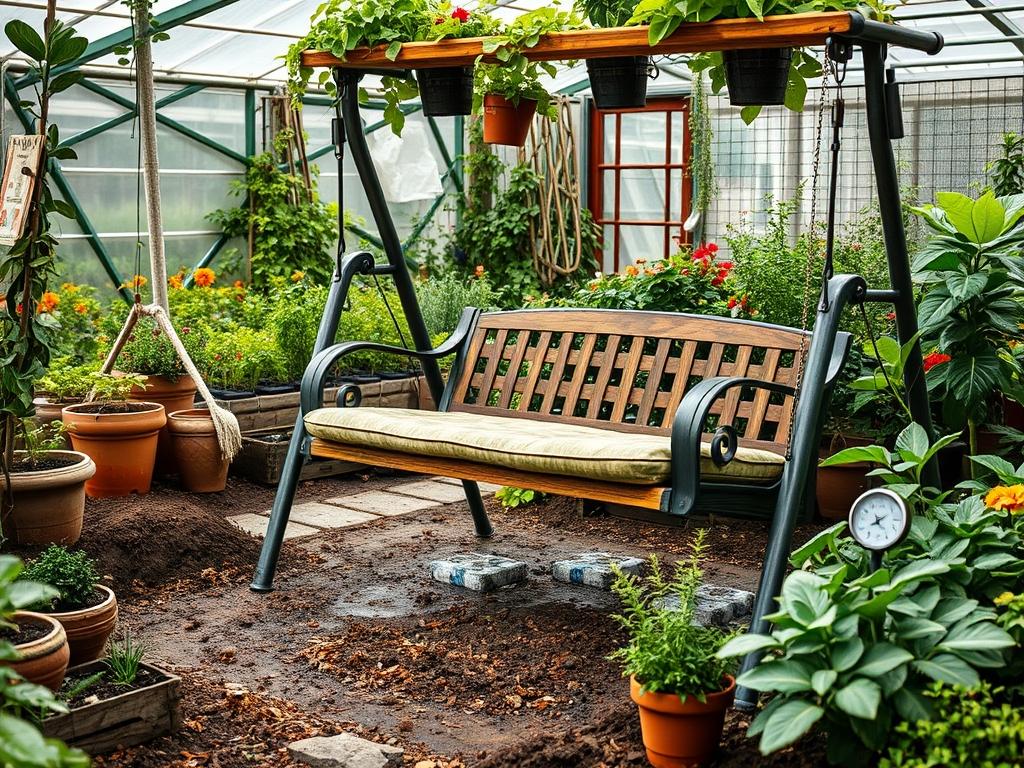
Designing a functional outdoor living space requires a sophisticated understanding of how structural elements and softscape features interact with the local environment. When we specify a luxury amenity such as a porch swing or a hanging daybed, the success of the installation depends on its ability to withstand the elements while maintaining its aesthetic appeal. The centerpiece of this comfort is the selection and placement of Backyard Swing Seat Cushions. As landscape architects, we view these cushions not merely as accessories, but as critical components of the outdoor room that must be integrated into the broader site plan. A poorly planned seating area can lead to moisture retention, sun bleaching, and frequent replacements, which ultimately diminishes the property value and user experience. To avoid these pitfalls, a designer must consider the microclimate of the backyard, including wind patterns, humidity levels, and the trajectory of the sun. By selecting high-quality, weatherproof materials and positioning them within a well-ventilated, drained landscape, we ensure that the outdoor environment remains a low-maintenance sanctuary.
Landscape Design Principles
Successful garden planning relies on the principle of symmetry to create a sense of order and tranquility. When placing a swing, we often treat it as a primary focal point, aligning it with a central axis that might extend from a home’s back door or a secondary architectural feature like a retaining wall. This symmetry is reinforced by flanking the swing with layered vegetation, creating a visual frame that draws the eye toward the seating area. Elevation layers are equally important; the swing should ideally be placed on a slightly elevated section of the yard or a specialized deck to prevent water from pooling beneath the seat. If the ground is level, we implement subtle grading to ensure that moisture flows away from the furniture.
Irrigation planning is another vital factor that many homeowners overlook. We must ensure that the spray patterns from automatic sprinklers do not saturate the Backyard Swing Seat Cushions daily. Constant soaking, even with weatherproof fabrics, can lead to internal foam degradation and the buildup of calcium deposits from hard water. Instead, we utilize drip irrigation for the surrounding plant beds, which delivers water directly to the root zones without affecting the hardscaping or furniture. Furthermore, walkways leading to the swing should be constructed from permeable materials like flagstone or decomposed granite. This allows for natural infiltration and prevents the swing area from becoming a muddy enclave during the rainy season.
Plant and Material Selection
The following table provides a selection of resilient plants and materials that complement a weatherproof seating area. The goal is to choose flora that enhances the site without creating excessive debris or humidity near the cushions.
| Plant Type | Sun Exposure | Soil Needs | Water Demand | Growth Speed | Maintenance Level |
| :— | :— | :— | :— | :— | :— |
| Lavandula angustifolia | Full Sun | Sandy, well-drained | Low | Medium | Low |
| Carex pensylvanica | Partial Shade | Loamy, moist | Moderate | Medium | Very Low |
| Buxus microphylla | Full to Part Sun | Well-drained | Moderate | Slow | Medium |
| Hydrangea macrophylla| Shade/Morning Sun | Rich, moist | High | Fast | Medium |
| Pennisetum alopecuroides| Full Sun | Adaptable | Low | Fast | Low |
| Trachelospermum jasminoides| Full to Part Sun | Well-drained | Moderate | Fast | Medium |
For the Backyard Swing Seat Cushions themselves, we prioritize Solution-Dyed Acrylic fabrics like Sunbrella. Unlike traditional printed fabrics, the color in these textiles is integrated into the core of the fibers. This makes them highly resistant to UV rays and allows for aggressive cleaning if mold or mildew occurs. The internal padding should consist of Open-Cell Foam, which permits water to pass through the cushion rather than trapping it like a sponge.
Implementation Strategy
The actual installation of a swing area begins with rigorous site preparation. First, we determine the grading of the specific zone where the swing will be located. A 1 percent to 2 percent slope is usually sufficient to facilitate drainage without being perceptible to the user. We begin by excavating a shallow area beneath the swing’s footprint and filling it with a 4-inch base of crushed stone or pea gravel. This prevents soil compaction and allows for rapid water dissipation.
Once the base is set, we define the area using steel edging or pressure-treated timber to keep the mulch or gravel contained. For the surrounding garden beds, we apply a layer of double-shredded hardwood mulch at a depth of 3 inches. This depth is optimal for moisture retention in the soil while preventing the growth of weeds that could encroach on the swing area. When hanging the swing, we use stainless steel hardware or galvanized chains to prevent rust streaks from staining the Backyard Swing Seat Cushions. Finally, we ensure that the swing is at a height of 17 to 19 inches from the ground, which is the standard for ergonomic comfort in outdoor seating.
Common Landscaping Failures
One of the most frequent errors in garden planning is the failure to account for proper drainage around heavy-use areas. When water collects under a swing, it increases the ambient humidity, which can lead to mold growth on even the most advanced Backyard Swing Seat Cushions. Another common mistake is root overcrowding. Planting large trees too close to a swing structure can lead to foundation lifting or limb drop, which poses a safety risk. We recommend maintaining a buffer zone of at least 10 feet between the swing and any fast-growing hardwood species.
Improper spacing of shrubs can also hinder air circulation. If the seating area is enclosed too tightly by dense foliage, it creates a stagnant environment where moisture cannot evaporate. This is particularly problematic in humid climates where the longevity of outdoor textiles is already challenged. Furthermore, soil compaction from foot traffic can kill the surrounding lawn or plants. Using stepping stones or a dedicated path is essential to maintaining the structural integrity of the soil and the health of the landscape’s root systems.
Seasonal Maintenance
Maintenance requirements shift with the changing seasons to ensure the landscape and the furniture remain in peak condition. In the spring, we focus on refreshing the mulch and inspecting the swing’s hardware for any signs of wear from the winter. This is also the time to apply a fabric protector to the Backyard Swing Seat Cushions after a light cleaning with soap and warm water. During the summer, the primary task is managing irrigation to ensure that plants stay hydrated without over-saturating the seating zone. Deadheading spent blooms on nearby Lavender or Hydrangeas keeps the area tidy.
As autumn approaches, leaf removal becomes the priority. Decaying leaves can tan and stain outdoor fabrics if they are left to sit on the cushions during rain events. We advise clients to use a soft-bristle brush to clear debris daily. In the winter, the best practice is to store the cushions in a dry, ventilated garage or a weatherproof deck box. If the swing itself is made of wood, a fresh coat of sealant or outdoor oil should be applied before the first frost to prevent cracking and moisture intrusion.
Professional Landscaping FAQ
What is the best fabric for swing cushions?
Professionals recommend Solution-Dyed Acrylic because the color permeates the entire fiber. This material resists fading from intense UV exposure and prevents the growth of mold and mildew better than standard Polyester or cotton blends.
How do I prevent my swing area from becoming muddy?
Ensure the site has a 1-2% grade for water runoff. Install a permeable base of pea gravel or crushed stone beneath the swing. This allows rainwater to infiltrate the soil rather than pooling on the surface.
Can I leave my cushions out in the rain?
Standard Backyard Swing Seat Cushions can handle light rain if they have Open-Cell Foam. However, for heavy storms, it is best to store them or use a vinyl cover to prevent the internal padding from becoming waterlogged.
How do I clean bird droppings from outdoor cushions?
Mix a solution of mild soap and lukewarm water. Use a soft-bristle brush to gently scrub the area, then rinse thoroughly. For stubborn stains, a mixture of one cup of bleach per gallon of water is safe for acrylic fabrics.
What is the ideal spacing for plants around a swing?
Maintain a minimum clearance of 3 feet from the swing’s maximum arc. This ensures user safety and allows for adequate air circulation, which helps keep the Backyard Swing Seat Cushions dry and free from fungal growth.