
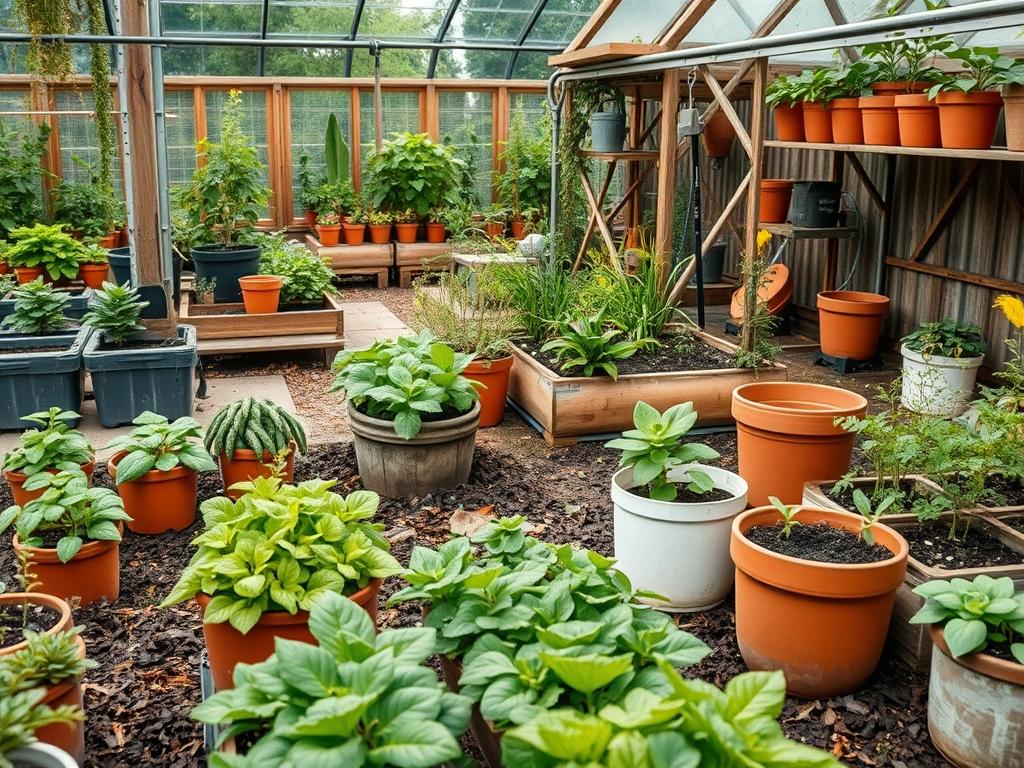
Modern urban environments demand more from less space, forcing landscape architects to rethink the traditional sprawling flower bed in favor of modular, versatile solutions. As property lines tighten and outdoor living areas become multi-functional, Backyard Container Layouts have transitioned from simple aesthetic accents to essential structural components. These layouts allow for a level of precision and environmental control that ground planting often lacks. By utilizing professional-grade vessels, property owners can overcome poor soil quality, manage aggressive root systems, and create lush, high-impact zones that enhance curb appeal and property value. The challenge lies in balancing the rigid lines of hardscaping with the organic movement of plant life, ensuring the final design feels like a cohesive extension of the home rather than an accidental collection of pots.
Climate considerations play a pivotal role in the success of any container-based project. Unlike plants in the ground, containerized roots are susceptible to rapid temperature fluctuations. In northern climates, the freeze-thaw cycle can crack standard ceramic, whereas in arid regions, the high surface area of pots can lead to rapid evaporation. Professional landscaping requires a strategic approach to thermal mass and moisture retention. By selecting the right materials and arranging them to maximize shaded root zones, a designer can create a microclimate that thrives. Furthermore, the functionality of the backyard must be preserved. Containers should define pathways, frame views, and provide screening for privacy without obstructing the flow of foot traffic or interfering with existing utility lines.
Landscape Design Principles
Effective Backyard Container Layouts rely on the fundamental principle of elevation layers. Instead of placing all vessels on a flat plane, a professional architect utilizes Tiered Pedestals, Multi-level Benches, and Large-scale Urns to draw the eye upward. This technique creates a sense of depth and abundance even in narrow side yards or small patios. Symmetry provides a sense of formal elegance, often achieved by flanking a doorway or a focal point with identical 36-inch Tall Tapered Planters. Conversely, asymmetrical groupings in odd numbers, such as three or five, offer a more naturalistic and contemporary feel. These clusters should vary in height and texture to prevent visual stagnation.
Focal points are the anchors of any container design. A single, large-scale specimen tree, such as a Dwarf Magnolia or a Japanese Maple, serves as the primary visual interest. Surrounding this anchor with mid-sized shrubs and low-profile groundcovers establishes a hierarchy of scale. Irrigation planning must be integrated into the layout from the start. For professional results, a 1/4-inch Drip Irrigation Line should be discreetly run through the bottom of the containers, connected to an automated timer. This ensures consistent hydration and prevents the unsightly appearance of garden hoses cluttering the walkways. Proper spacing is equally vital; containers should be situated to allow at least 18 inches of clearance for maintenance access and air circulation, which reduces the risk of fungal diseases.
Plant and Material Selection
Selecting the right biological and structural components is the difference between a thriving garden and a failing one. The following table outlines high-performance selections for modern container environments.
| Plant Type | Sun Exposure | Soil Needs | Water Demand | Growth Speed | Maintenance Level |
| :— | :— | :— | :— | :— | :— |
| English Boxwood | Full Sun / Part Shade | Well-drained Loam | Moderate | Slow | Low |
| Japanese Maple | Filtered Sunlight | Acidic, Rich | High | Slow to Moderate | Moderate |
| Blue Star Juniper | Full Sun | Sandy, Gritty | Low | Slow | Very Low |
| Sweet Potato Vine | Full Sun | Universal Potting Mix | High | Fast | Moderate |
| Red Fountain Grass | Full Sun | Well-drained | Moderate | Fast | Low |
| Dwarf Alberta Spruce | Full Sun | Moist, Well-drained | Moderate | Very Slow | Low |
| Hosta Aphrodite | Full Shade | Organic-rich | High | Moderate | Low |
For the containers themselves, material choice impacts both longevity and plant health. Fiberglass Planters are lightweight yet durable, making them ideal for rooftops or decks where weight is a concern. Corten Steel offers a weathered, industrial aesthetic that develops a protective rust patina over time. For more traditional settings, Terracotta remains a staple due to its breathability, though it requires more frequent watering. Always ensure pots have a minimum of three drainage holes to prevent water logging at the root level.
Implementation Strategy
The transition from a conceptual design to a physical Backyard Container Layout begins with site preparation. Even though the plants are contained, the ground beneath them must be stable. If placing large, heavy vessels on soil, the area should be excavated and filled with 3 inches of crushed stone or compacted gravel to prevent sinking. For layouts on wooden decks, verify the load-bearing capacity and use Pot Feet or Rolling Plant Caddies to elevate the base. This elevation allows for essential airflow and prevents rot on the deck surface.
Once the vessels are positioned, focus on the interior architecture of the container. Start with a layer of Non-woven Geotextile Fabric over the drainage holes to prevent soil from washing out. Avoid the common mistake of filling the bottom with rocks, as this actually raises the perched water table and creates “bottleneck” drainage. Instead, use a high-quality, professional grade Potting Medium consisting of peat moss, perlite, and pine bark. For large-scale containers, ensure the soil is firmly packed around the root ball to eliminate air pockets. Finish the surface with 2 inches of Organic Mulch or Decorative River Stone to retain moisture and provide a polished look.
Finally, integrate hardscaping elements to tie the containers into the broader landscape. Use Steel Edging to define the perimeter where containers meet lawn or flower beds. If the layout includes a walkway, ensure the path is at least 36 inches wide to accommodate the eventual spread of the plants. By treating the containers as permanent architectural features, you create a structured environment that feels intentional and high-end.
Common Landscaping Failures
The most frequent failure in container gardening is the lack of a functional drainage system. When water cannot escape, it occupies the pore spaces in the soil, depriving the roots of oxygen and leading to root rot. Even if a pot has holes, they can become clogged with fine silt over time. Professional installers always check for “weeping” after irrigation to ensure the system is clear. Soil compaction is another silent killer. Over the course of a season, the organic matter in potting soil breaks down and settles, becoming dense and impenetrable. This is why refreshing the top 4 to 6 inches of soil annually is a standard practice for maintainable Backyard Container Layouts.
Improper spacing and overcrowding also lead to significant issues. While a “densely packed” look is desirable for immediate impact, it often leads to competition for nutrients and poor interior light penetration. Plants that are crammed too tightly will lose their lower foliage and become leggy. Furthermore, failing to account for the mature size of the plant can lead to containers becoming top-heavy and prone to tipping during high winds. Always select a pot that is at least 2 inches wider than the root ball to allow for one to two years of growth before repotting is necessary.
Seasonal Maintenance
A professional landscape is never truly finished; it requires a cyclical management plan. In the spring, the focus is on rejuvenation. This involves removing any Organic Mulch that has decomposed, pruning dead wood, and applying a Timed-release Fertilizer to provide a steady supply of nutrients throughout the growing season. It is also the best time to check the integrity of Drip Irrigation Emitters and clear any mineral buildup.
As summer peaks, moisture management becomes the priority. This may involve increasing the duration of irrigation cycles or adding a supplemental Liquid Seaweed Fertilizer to help plants cope with heat stress. In autumn, the strategy shifts to preparation for dormancy. Cut back perennial foliage and clean the surfaces of the containers to prevent pest overwintering. For cold-sensitive species, move the vessels to a sheltered area or wrap the pots in Burlap and Bubble Wrap to insulate the root mass. Winter maintenance is primarily about protecting the hardscaping; ensure that terracotta or ceramic pots are emptied or moved indoors if they are not frost-rated, as the expansion of freezing wet soil can shatter even thick-walled vessels.
Professional Landscaping FAQ
How do I choose the right container size?
Select a pot based on the plant’s mature root system. A general rule is to choose a vessel 2 to 4 inches larger in diameter than the current nursery pot. This provides sufficient room for growth and moisture retention without risking soil saturation.
Can I use regular garden soil in containers?
Garden soil is too heavy and lacks the necessary porosity. It compacts quickly in a confined space, suffocating roots and trapping water. Always use a professional Soilless Potting Mix designed for container drainage and aeration to ensure plant health.
How often should I water my backyard containers?
Frequency depends on pot material and weather. During peak summer, containers may need water daily. Check the top 2 inches of soil with your finger; if it feels dry, irrigate until water exits the drainage holes at the bottom.
What is the best way to prevent pots from staining my patio?
Use Pot Feet or Structural Risers to lift the container off the surface. This allows water to evaporate and prevents moisture from being trapped against the stone or wood, which is the primary cause of unsightly rings and mold.
Should I fertilize my container plants regularly?
Yes, because nutrients leach out of pots more quickly than ground soil. Apply a Balanced Slow-release Fertilizer in early spring and supplement with a diluted liquid feed every four weeks during the peak growing season for the best aesthetic results.