
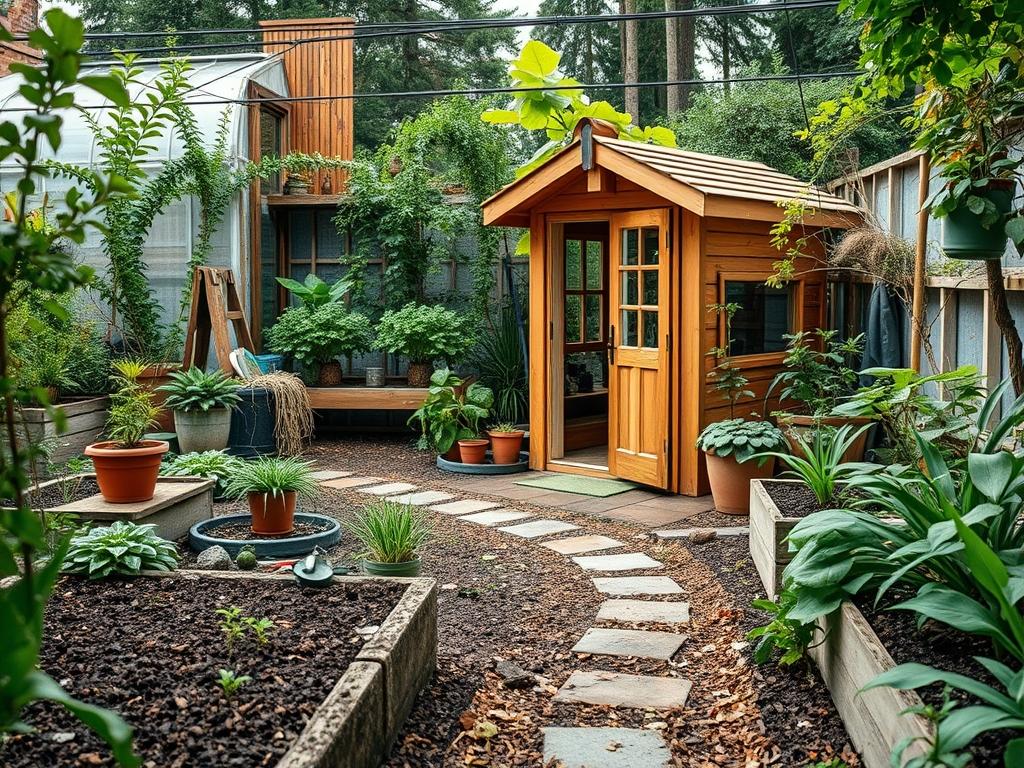
Integrating a sophisticated backyard kennel into a modern landscape requires a delicate balance between utilitarian necessity and aesthetic harmony. For many homeowners, the challenge lies in preventing a functional pet enclosure from becoming an eyesore that detracts from property value or disrupts the flow of the garden. A successful backyard kennel design idea treats the structure not as an afterthought, but as an integrated architectural feature. This process begins with a thorough site analysis, considering local climate patterns, existing topographical shifts, and the overall architectural language of the primary residence. In regions with high solar gain, the orientation of the kennel determines the thermal comfort of the inhabitants, while in wetter climates, the hydrological load of the surrounding soil dictates the complexity of the drainage system. By applying professional landscaping principles, the kennel becomes a seamless extension of the outdoor living space, enhancing curb appeal rather than diminishing it.
Landscape Design Principles
Symmetry and proportion serve as the foundation for any high-end backyard kennel design. When the structure is placed in a corner without consideration for visual balance, it creates a lopsided weight in the landscape. To avoid this, designers often use the principle of focal points, where the kennel is framed by tiered plantings or architectural elements like pergolas or trellises. Utilizing elevation layers is another effective tactic. By placing a kennel on a slightly elevated concrete pad or a retaining wall terrace, you create a distinct transition between the dog’s territory and the manicured lawn. This elevation also assists with gravity-fed drainage, ensuring that waste and rainwater do not pool around the foundation.
Walkways are essential for both accessibility and visual flow. A path constructed from flagstone or decomposed granite should connect the kennel to the main patio, creating a sense of intentionality. These paths prevent the formation of muddy tracks through the grass and provide a clean surface for the homeowner to traverse during maintenance. Irrigation planning must also be integrated early in the design phase. Subsurface drip irrigation lines should be routed around the kennel perimeter to support privacy screens without over-saturating the kennel floor. By blending these structural elements, the design maintains a professional, cohesive appearance that mirrors the quality of the rest of the estate.
Plant and Material Selection
Selecting the right materials and vegetation is critical for durability and safety. Plants must be non-toxic to canines while remaining hardy enough to withstand the nitrogen-rich environment of a pet-centric area. Materials must be chosen for their ease of cleaning and resistance to wear.
| Plant Type | Sun Exposure | Soil Needs | Water Demand | Growth Speed | Maintenance Level |
| :— | :— | :— | :— | :— | :— |
| Boxwood | Full Sun/Part Shade | Well-drained | Moderate | Slow | Low |
| Lavender | Full Sun | Sandy/Rocky | Low | Moderate | Medium |
| Daylily | Full Sun/Part Shade | Loamy/Clay | Moderate | Fast | Low |
| Creeping Thyme | Full Sun | Well-drained | Low | Moderate | Low |
| Switchgrass | Full Sun | Moist/Dry | Low | Moderate | Low |
| Star Jasmine | Full Sun/Part Shade | Rich/Moist | Moderate | Fast | Medium |
| Japanese Forest Grass | Part/Full Shade | Moist/Humus | High | Slow | Low |
For hardscaping, 3/4-inch crushed basalt or pea gravel offers excellent drainage and is easy on a dog’s paws. Avoid using wood chips or cocoa mulch, as these can harbor mold or contain caffeine-like stimulants that are harmful if ingested. Instead, opt for cedar mulch for its natural flea-repellent properties.
Implementation Strategy
The first step in executing a backyard kennel design idea is precise site grading. Use a laser level to ensure the area has a 2 percent slope away from the dog house and toward a designated drainage exit. Once the grade is established, excavate the area to a depth of 6 inches to accommodate the sub-base. Lay down a heavy-duty geotextile fabric to prevent weed growth and soil migration. This fabric layer is vital for maintaining the integrity of the hardscape over time.
Next, install a 4-inch layer of compacted ABC stone (Aggregate Base Coarse) to provide a stable foundation. Use a plate compactor to achieve maximum density. If you are installing a permanent structure, this is the time to pour a concrete pad or set 4×4 pressure-treated posts for the framing. Around the perimeter, install steel edging or Belgian block to keep the gravel or mulch contained and to provide a clean line for the lawnmower.
For the kennel itself, consider using powder-coated steel panels rather than chain-link fencing for a more modern, architectural look. Roof structures should include asphalt shingles or standing seam metal to match the house. Finishes should include low-VOC stains or all-weather paints that withstand UV exposure. Finally, integrate a French drain system if the site is at the bottom of a slope. This involves a 4-inch perforated pipe encased in river rock, which redirects excess runoff away from the kennel and into a dry well or rain garden.
Common Landscaping Failures
One of the most frequent mistakes in backyard kennel construction is ignoring soil compaction. Dogs create significant traffic on small sections of earth, which leads to “dead zones” where nothing will grow. If the soil is not properly amended with organic compost and protected by a hardscape barrier, it will eventually become a hard-pan surface that prevents water infiltration.
Another common failure is improper spacing between the kennel and the perimeter landscaping. If Privacy Hedge plants like Emerald Green Arborvitae are planted too close to the kennel fence, the dog may damage the root systems or the lower foliage. A minimum buffer of 24 inches is recommended to allow for air circulation and plant growth.
Drainage mistakes often lead to the most costly repairs. If a kennel is built in a natural depression without a sump pump or a gradient correction, the area will become a breeding ground for bacteria and insects. Furthermore, many DIY designs fail to account for irrigation efficiency. Spray heads that hit the kennel walls cause wood rot and rust; therefore, all irrigation near the structure should be converted to low-flow emitters or bubblers directed at the base of the surrounding plants.
Seasonal Maintenance
Landscape management is an ongoing process that changes with the seasons to ensure the kennel remains a healthy environment. In the spring, inspect the grading for any signs of erosion or settling that occurred during the winter thaw. This is the optimal time to refresh mulch layers to a depth of 3 inches and to apply a pre-emergent herbicide to the surrounding planting beds.
During the summer, the focus shifts to irrigation and hydration. Check drip lines for clogs and ensure that the kennel’s shade structures, such as shade sails or overhanging eaves, are secure. Autumn requires the removal of fallen leaves and organic debris from the kennel roof and gutters. Decomposing leaves can become slippery and acidic, which may damage the kennel flooring or the dog’s skin.
In winter, provide a thick layer of straw or specialized pet bedding inside the sleeping quarters. Ensure that any snow melt chemicals used on the surrounding walkways are pet-safe and non-corrosive to the kennel’s metal components. Inspect the structural integrity of the roof under heavy snow loads and clear any drifts that might obstruct the drainage outlets.
Professional Landscaping FAQ
How can I stop my dog from digging around the kennel?
Install L-shaped hardware cloth or buried pavers around the perimeter. Extending the fence line 12 inches below the surface creates a physical barrier that discourages digging and prevents escapes while protecting the surrounding garden roots.
What is the best ground cover for a stylish kennel?
Pea gravel or river rock provides a clean, modern aesthetic with superior drainage. For a softer look, Creeping Thyme is a resilient, non-toxic ground cover that withstands light foot traffic and releases a pleasant aroma.
How do I prevent the kennel from smelling in the summer?
Maintain a 2 percent grade for liquid runoff and use a permeable sub-base. Regularly apply enzyme-based cleaners to the gravel or concrete and ensure the area has adequate cross-ventilation through strategic plant placement.
Should I use natural grass inside the kennel?
Natural grass is difficult to maintain in confined spaces due to high nitrogen levels in pet waste. A high-quality k9-rated synthetic turf with a permeable backing is a more durable and visually consistent alternative for backyard designs.
How can I hide the kennel without blocking airflow?
Use horizontal slat fencing or decorative metal screens combined with airy plants like Ornamental Grasses. These elements provide a visual buffer while allowing breezes to pass through, keeping the dog cool and the air fresh.