
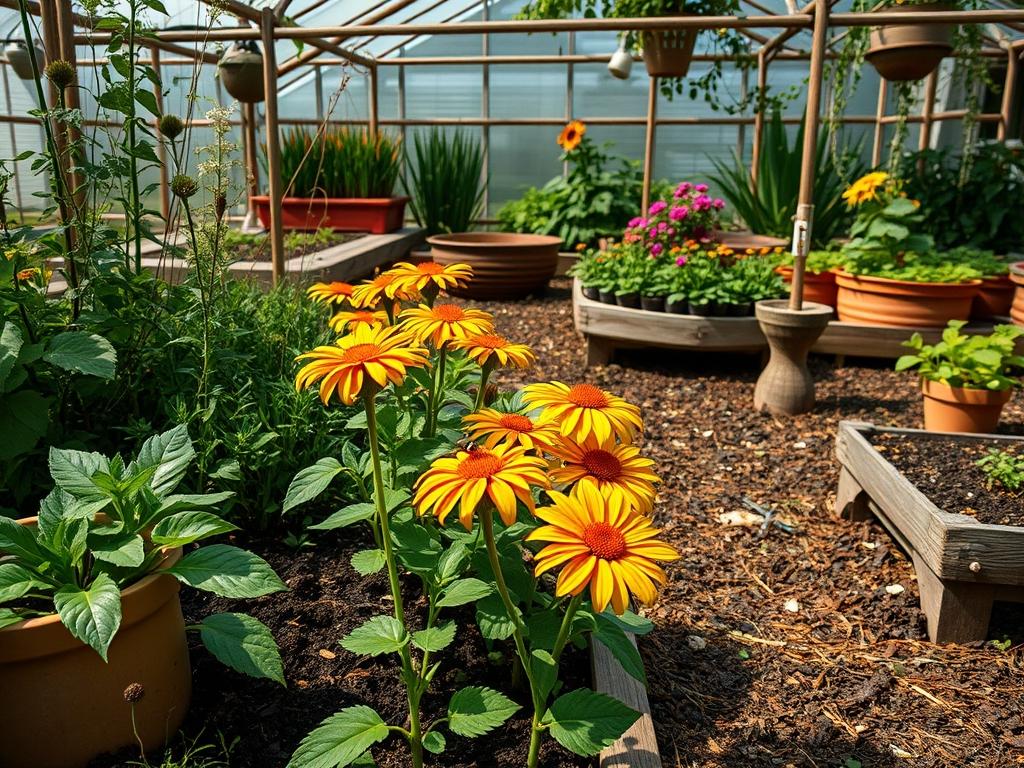
Creating a cohesive landscape that prioritizes Backyard Bee Friendly Flowers requires a sophisticated understanding of site analysis, microclimates, and functional aesthetics. Professionals do not simply scatter seeds and hope for the best; instead, we approach the environment as an integrated system where ecology meets architecture. The primary challenge in residential design is balancing the somewhat wild, organic nature of pollinator gardens with the clean lines and structured forms expected in high end residential curb appeal. A well planned pollinator habitat serves as a functional outdoor living space that manages storm water, reduces maintenance overhead, and provides a continuous succession of blooms throughout the growing season. By selecting the right materials and respecting the existing topography, homeowners can transform a static lawn into a dynamic, living ecosystem that satisfies both aesthetic desires and environmental responsibilities.
Landscape Design Principles
Effective landscape design relies on a structured hierarchy of visual elements. Symmetry and focal points act as the anchors of your garden. In a bee friendly environment, this might involve placing a large Stone Birdbath or a specimen serviceberry tree at the end of a primary sightline. These features draw the eye and provide a sense of intentionality, preventing the garden from appearing overgrown or chaotic. We also utilize elevation layers to maximize vertical space and mimic natural meadow structures. This involves planting taller species like Joe Pye Weed at the back of the border, transitioning to medium height Coneflowers, and finishing with low growing Creeping Thyme along the path edges.
Visual balance is achieved through the repetition of textures and colors. While bees are particularly attracted to blues, purples, and yellows, a landscape architect looks at the foliage first. Incorporating diverse leaf shapes, such as the fine needles of Blue Star Amsonia against the broad, coarse leaves of Oakleaf Hydrangea, ensures the garden remains attractive even when flowers are not in bloom. Furthermore, functional walkways must be integrated into the plan. Using decomposed granite, natural flagstone, or permeable pavers allows for easy access to different garden zones for maintenance while maintaining proper drainage. Irrigation planning is equally critical; grouping plants by their water requirements, a practice known as hydrozoning, ensures that drought tolerant Backyard Bee Friendly Flowers are not overwatered by systems designed for turf grass.
Plant and Material Selection
| Plant Type | Sun Exposure | Soil Needs | Water Demand | Growth Speed | Maintenance Level |
| :— | :— | :— | :— | :— | :— |
| Lavender | Full Sun | Sandy/Well-Drained | Low | Moderate | Low (Prune Annually) |
| Purple Coneflower | Full Sun to Part Shade | Loamy/Average | Moderate | Fast | Low |
| Bee Balm (Monarda) | Full Sun to Part Shade | Rich/Moist | High | Fast | Moderate (Thinning) |
| Russian Sage | Full Sun | Poor/Gravelly | Very Low | Fast | Very Low |
| Catmint | Full Sun | Average | Low to Moderate | Fast | Low (Deadhead for bloom) |
| Black-Eyed Susan | Full Sun | Clay/Loam | Moderate | Moderate | Low |
| Goldenrod | Full Sun | Various | Low | Fast | Very Low |
| Blazing Star (Liatris) | Full Sun | Well-Drained | Low | Moderate | Low |
Implementation Strategy
The transition from a design concept to a physical garden starts with site preparation and grading. You must ensure that the ground slopes away from the home foundation at a rate of at least 2 percent, which translates to a 1/4 inch drop per linear foot. This prevents water from pooling and protects the root systems of your Backyard Bee Friendly Flowers from rot. Before any planting begins, use a flat-head shovel to define clean bed edges. A deep, 4 inch “V” trench edge is often superior to plastic or metal edging because it provides a crisp visual break and simplifies future expansions.
If your soil is heavily compacted, which is common in newer suburban developments, you must address this before planting. Incorporate 3 inches of high quality compost into the top 8 inches of the soil profile using a rear-tine tiller or a garden fork. Once the soil is prepared, layout your plants while they are still in their nursery containers. This allows you to verify the spacing based on their mature spread, preventing the common mistake of overcrowding. After the plants are in the ground, apply a 3 inch layer of shredded hardwood mulch or pine bark. Avoid volcano mulching, which is the practice of piling mulch against the stems of the plants. Instead, keep the mulch a few inches away from the base of the plant to allow for air circulation and to prevent fungal infections. Hardscaping elements, such as retaining walls or dry creek beds, should be installed prior to the softscaping to avoid damaging delicate root systems.
Common Landscaping Failures
The most frequent failure in pollinator gardening is poor drainage management. Many Backyard Bee Friendly Flowers, particularly those native to prairie or Mediterranean climates, cannot tolerate “wet feet” during the winter months. If the site has heavy clay soil, the lack of pore space leads to oxygen deprivation in the root zone. Another significant issue is root overcrowding. Homeowners often desire an “instant garden” and plant specimens too close together. Over time, this leads to stunted growth, poor air circulation, and increased susceptibility to powdery mildew and pests.
Soil compaction is a silent killer in the landscape. Foot traffic or the use of heavy machinery during construction crushes the soil structure, making it nearly impossible for roots to penetrate deeper than a few inches. This results in plants that are highly susceptible to drought. Additionally, irrigation inefficiencies often plague these gardens. Overspray from lawn sprinkler heads can lead to foliage diseases in bee friendly perennials. A dedicated drip irrigation system with pressure-compensating emitters is the professional choice for providing deep, targeted watering directly to the root zone, which also keeps the surface dry and reduces weed germination.
Seasonal Maintenance
Landscape management for a bee friendly backyard differs significantly from traditional “clean” landscaping. In the spring, resist the urge to perform a total cleanup too early. Many native bees overwinter in the hollow stems of last year’s perennials or beneath leaf litter. Wait until temperatures consistently stay above 50 degrees Fahrenheit before cutting back dead stalks. During the summer, focus on deadheading spent blooms to encourage a second flush of flowers, though you should leave some seed heads for birds. Monitor your irrigation controller and adjust the timing based on rainfall levels to ensure deep root penetration.
Autumn maintenance involves adding a fresh layer of mulch to insulate roots against the coming freeze, but do not cut the garden down to the ground. Leaving the structure of the plants provides winter interest and essential habitat for beneficial insects. Winter is the time for structural pruning of woody shrubs and structural inspection of hardscaping. Check for any shifting in retaining walls or erosion in drainage swales. By maintaining a slightly less manicured garden in the off-season, you preserve the ecological value of your Backyard Bee Friendly Flowers while preparing the foundation for a vigorous spring emergence.
Professional Landscaping FAQ
What is the best soil pH for a bee friendly garden?
Most pollinator plants thrive in a slightly acidic to neutral range, typically between 6.0 and 7.0. You should perform a soil test to determine if you need to add lime to raise the pH or sulfur to lower it.
How often should I water established bee friendly perennials?
Once established, most native Backyard Bee Friendly Flowers require deep watering only once a week. In extreme heat, you might increase this to twice weekly. Always check the soil moisture levels 2 inches below the surface before adding more water.
Can I use pesticides in a bee friendly landscape?
Avoid broad spectrum insecticides entirely. If you must treat a specific pest problem, use targeted organic options like neem oil or insecticidal soap in the evening when bees are less active. Focus on integrated pest management and natural predators instead.
How do I choose the right mulch for bees?
Choose coarse shredded bark or leaf mold rather than dyed wood chips. Avoid using landscape fabric under the mulch, as many native bees are ground-nesters and need direct access to the soil to create their burrows and reproductive chambers.
Why are native plants better than ornamental cultivars?
Native species have co-evolved with local bee populations, providing the specific nectar and pollen profiles they need. While some “double-flowered” cultivars look impressive, they often lack accessible pollen or produce less nectar, making them less functional for the bees’ survival.