
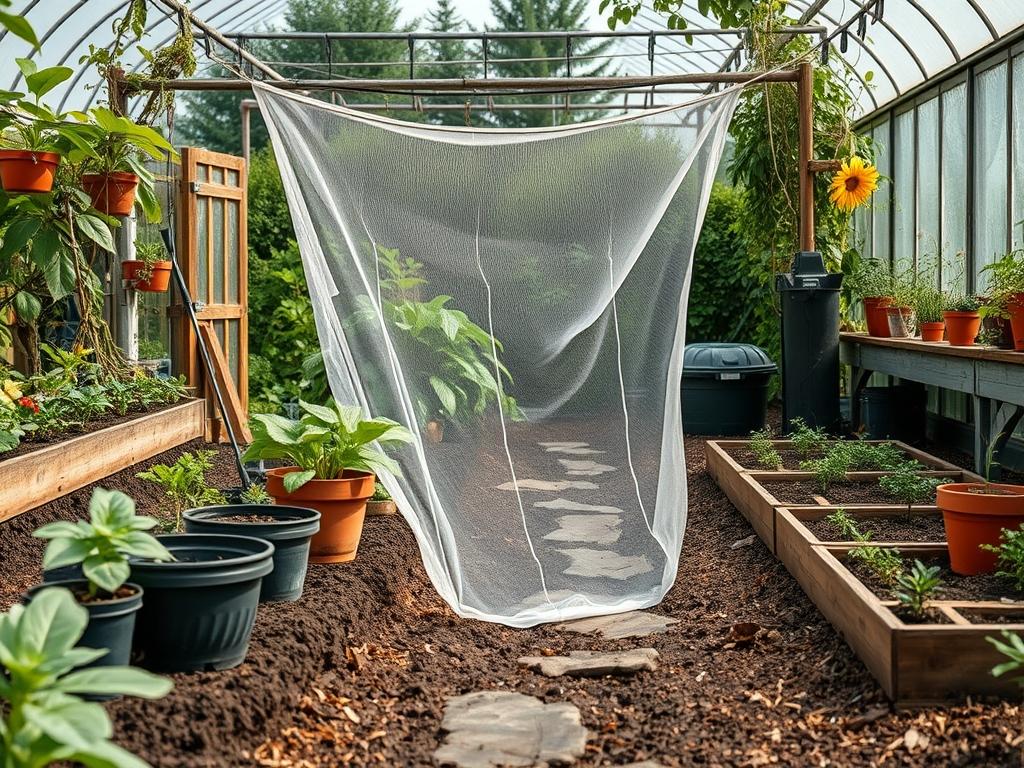
Creating a functional outdoor space requires a delicate balance between aesthetic beauty and biological utility. When integrating Backyard Butterfly Netting into a master landscape plan, the primary challenge involves maintaining curb appeal while providing a protected sanctuary for fragile lepidoptera species. Many homeowners struggle with the visual weight of mesh structures, fearing they might detract from the architectural lines of the residence. However, professional landscape architecture treats these enclosures as high performance elements of the ecosystem. By considering local climate variables, such as wind shear and high UV exposure, designers can select netting systems that harmonize with the existing hardscape. The goal is to optimize outdoor functionality, ensuring that the garden serves as both a private retreat for inhabitants and a viable habitat for pollinators.
Effective landscape design relies on intentionality regarding elevation and spatial orientation. When planning a site for Backyard Butterfly Netting, one must prioritize structural symmetry to prevent the mesh from appearing like an afterthought. Using the enclosure as a focal point, perhaps centered within a parterre garden or at the terminus of a stone walkway, creates a sense of purpose. Elevation layers are equally critical; low-growing nectar sources should sit in the foreground, while taller host plants reside toward the back of the netting structure to create a natural amphitheater effect. Irrigation planning must be integrated early, as overhead watering can sometimes weigh down fine mesh or promote fungal growth in humid microclimates. Drip irrigation systems, buried beneath a two inch layer of organic cedar mulch, ensure that moisture reaches roots without impacting the integrity of the netting or the delicate wings of the inhabitants.
Landscape Design Principles
Symmetry and visual balance are the cornerstones of a professional garden layout. When installing Backyard Butterfly Netting, use rigid frames made of powder coated aluminum or redwood timber to provide a clean, architectural silhouette. This prevents the “sagging” look often associated with temporary garden mesh. Focal points should be used to draw the eye toward the life within the enclosure rather than the netting material itself. For example, a central water feature or a large limestone boulder provides a resting spot for butterflies and a grounding element for the human eye.
Walkways should lead logically toward and around the netted area, utilizing materials like crushed slate or flagstone to define the transition from the open lawn to the sanctuary. Visual balance is maintained by mirroring the height of the netting enclosure with similar vertical elements elsewhere in the yard, such as a trellis or an upright Columnar Hornbeam. This technique, known as repetition, ensures the netting feels like a standard component of the landscape rather than an isolated cage.
Plant and Material Selection
The following selections prioritize species that thrive in a protected environment while providing the necessary nutrients for all life stages of a butterfly.
| Plant Type | Sun Exposure | Soil Needs | Water Demand | Growth Speed | Maintenance Level |
| :— | :— | :— | :— | :— | :— |
| Asclepias tuberosa | Full Sun | Well-drained | Low | Moderate | Low |
| Buddleia davidii | Full Sun | Loamy/Rich | Medium | Fast | Moderate |
| Echinacea purpurea | Full or Part | Adaptive | Low | Moderate | Low |
| Monarda fistulosa | Full or Part | Moist/Loamy | High | Fast | High |
| Lantana camara | Full Sun | Sandy/Well-drained | Low | Very Fast | Moderate |
| Passiflora incarnata| Full Sun | Rich/Moist | Medium | Rapid | High |
Selecting the right Backyard Butterfly Netting material is just as vital as the plants. Professionals often recommend a UV-stabilized polyethylene mesh with a hole size no larger than 1 millimeter to exclude predatory wasps while allowing sufficient airflow.
Implementation Strategy
The transition from a conceptual design to a physical installation begins with precise site grading. Ensuring the ground is level prevents structural lean and allows for efficient drainage. Start by marking the footprint of the enclosure with marking paint or surveyor string. Begin excavation for any footings, typically reaching a depth of 18 inches to get below the frost line in temperate zones. Once the frame is secured, install a weed-barrier fabric topped with three inches of pea gravel or decomposed granite to provide a clean floor that prevents soil-borne pathogens from splashing onto the netting.
Edging is the next critical step. Use steel or heavy duty plastic edging to create a crisp border between the netted area and the surrounding turf. This prevents invasive grass from creeping into the sanctuary. When attaching the Backyard Butterfly Netting, use industrial grade zip ties or stainless steel staples, ensuring the tension is uniform across the entire surface. If the enclosure is large, incorporate a “vestibule” or double door system to prevent butterflies from escaping when you enter for maintenance. Finally, apply a consistent mulch depth across all interior planting beds to regulate soil temperature and moisture.
Common Landscaping Failures
One of the most frequent mistakes in butterfly garden design is poor drainage planning. If the interior of the netted area lacks a proper slope or a French drain system, water will pool during heavy rains, leading to root rot and excessive humidity that can harm larvae. Another common error is root overcrowding. Because the space inside a Backyard Butterfly Netting enclosure is often limited, homeowners tend to plant too many species. This leads to competition for nutrients and poor air circulation.
Improper spacing also affects the longevity of the structure. If plants like Butterfly Bush are placed too close to the mesh, their woody branches can tear the fabric as they grow. Furthermore, soil compaction is a silent killer; high foot traffic during the construction of the enclosure can crush the soil structure, preventing oxygen from reaching the roots. Finally, irrigation inefficiencies occur when homeowners rely on standard lawn sprinklers that cannot penetrate the fine mesh. This often results in a bone-dry interior despite the exterior lawn being lush and green.
Seasonal Maintenance
Spring is the season for structural inspection and soil preparation. Check the Backyard Butterfly Netting for any small tears or UV degradation that may have occurred over the winter. This is also the time to test your irrigation emitters and apply a slow-release organic fertilizer to the base of host plants. As the weather warms, clear away any leaf litter that has accumulated against the bottom of the mesh to prevent mold.
During the summer, the focus shifts to moisture management and tension control. Heat can cause some mesh materials to expand or sag, so re-tensioning may be required to maintain a professional appearance. Regularly clean the netting with a light spray of water to remove dust and pollen, which can block airflow. In the autumn, prune back aggressive vines like Passionflower to prevent them from overwhelming the frame. If you live in a region with heavy snowfall, professionals recommend removing the Backyard Butterfly Netting entirely and storing it in a cool, dry place to avoid weight-related collapses. Winter is the time for “dormant pruning” and planning any hardscape expansions for the following year.
Professional Landscaping FAQ
How do I clean the netting without harming the plants?
Use a low pressure garden hose and a soft bristle brush. Avoid harsh detergents; instead, use a diluted biodegradable soap only if necessary. Rinse thoroughly from the top down to ensure no residue remains on the foliage where larvae feed.
What is the best way to secure netting to the ground?
Use 12-inch galvanized landscape staples spaced every foot along the perimeter. For a more permanent solution, sandwich the mesh between a pressure treated 2×4 and the base of your frame to create a physical seal against crawling predators.
Can I leave my butterfly netting up during the winter?
It depends on the material grade and local snow loads. Lightweight mesh should be removed to prevent tearing. However, high-tensile structural netting can remain if the frame is designed to shed snow or if you manually clear accumulation.
Will the netting block too much sunlight for my plants?
Most Backyard Butterfly Netting only reduces light by 10 to 15 percent, which is negligible for most full-sun plants. In fact, this slight shading can benefit plants during extreme heat waves by reducing transpiration rates and preventing leaf scorch.
How do I prevent the mesh from looking messy or cheap?
The secret lies in the frame. Avoid using flexible PVC pipes. Instead, use rigid materials like black powder-coated steel or stained cedar. Ensure the netting is pulled taut, as wrinkles and sags are what create an unpolished look.