
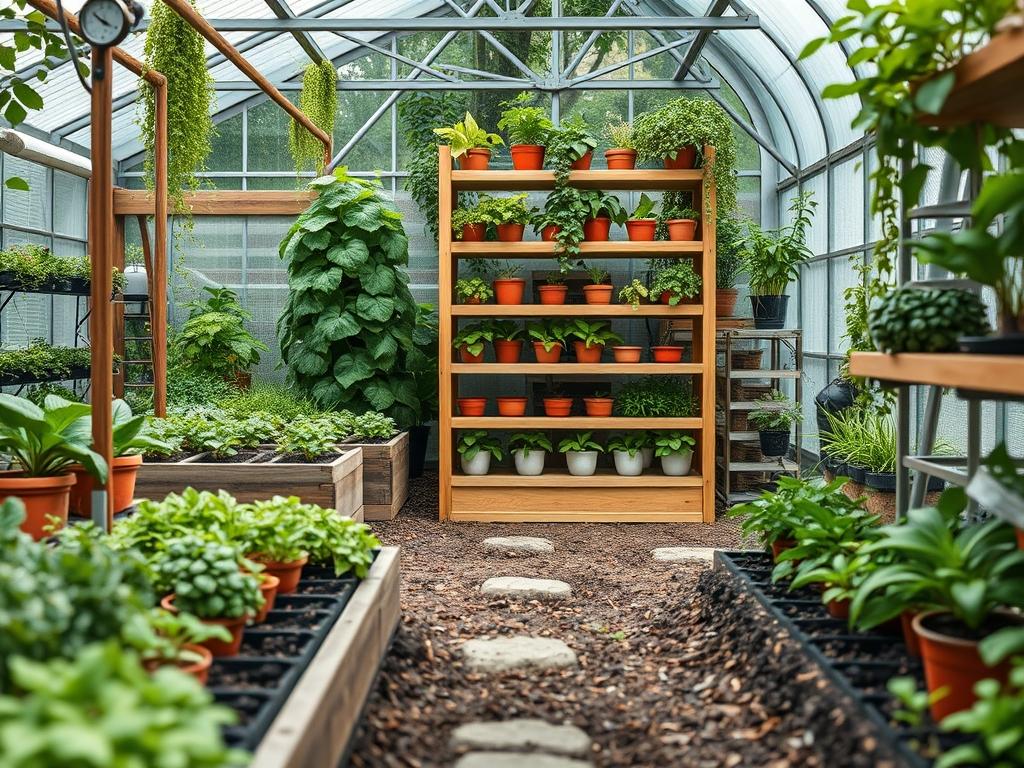
The modern urban backyard often presents a geometric challenge. As lot sizes decrease, landscape architects must pivot from horizontal sprawl to vertical ingenuity to maintain ecological diversity and aesthetic value. Incorporating Backyard Vertical Shelf Units is no longer just a trend for small-space gardening; it is a sophisticated method of reclaiming the vertical plane to improve air quality, provide visual privacy, and maximize the footprint of a property. When a designer approaches a residential site, the goal is to balance the hardscape elements with living biomass. Vertical shelving allows for this by lifting the greenery away from the walking paths, effectively doubling the usable square footage of a deck or patio. From a curb appeal perspective, a well-executed vertical installation acts as a living tapestry that softens the harsh lines of fences or brick walls. It provides a focal point that draws the eye upward, creating an illusion of greater height and volume in a confined environment. Functionality remains the priority, ensuring that these structures do not merely look good but also serve a purpose, such as housing culinary herbs near a kitchen or providing a windbreak for delicate ornamental species.
Landscape Design Principles
Successful vertical integration begins with the principle of axial symmetry. When placing Backyard Vertical Shelf Units, the designer must consider how the structure aligns with existing doorways, windows, and walkways. A singular, tall unit can serve as a powerful focal point at the end of a sightline, while a series of identical units creates a rhythmic pattern that guides the viewer’s movement through the space. This repetition establishes a sense of order and professionalism. Furthermore, elevation layers are critical. By staggering the heights of shelves, you mimic the natural canopy of a forest, where different species occupy different light tiers.
Irrigation planning is perhaps the most overlooked aspect of vertical design. Gravity causes water to migrate downward, which means the top shelf usually dries out faster than the base. We recommend installing a drip irrigation system with 1/4-inch microtubing hidden behind the structural frames. This ensures consistent moisture delivery without the labor of hand-watering. Visual balance must also be maintained. If a heavy Iron Frame Unit is placed on one side of a patio, it must be countered with an element of similar visual weight, such as a large Stone Planter or a dense shrub, to prevent the landscape from feeling lopsided. This equilibrium is what separates a professional installation from a casual DIY project.
Plant and Material Selection
Selecting the right materials for the shelving units is as important as the plants themselves. For longevity in diverse climates, we prefer Marine-grade Plywood, Teak, or Galvanized Steel. These materials resist the high humidity and direct UV exposure common in backyard environments. Below is a selection guide for species that thrive in vertical conditions.
| Plant Type | Sun Exposure | Soil Needs | Water Demand | Growth Speed | Maintenance Level |
| :— | :— | :— | :— | :— | :— |
| Trailing Rosemary | Full Sun | Sandy, Gritty | Low | Medium | Moderate |
| English Ivy | Shade/Partial | Rich Compost | Moderate | Fast | Low |
| Stonecrop Sedum | Full Sun | Succulent Mix | Very Low | Slow | Very Low |
| Bird’s Nest Fern | Shade | Peat-based | High | Medium | Moderate |
| Alpine Strawberries | Full Sun | Loamy | High | Medium | High |
| Creeping Jenny | Partial Sun | Standard Potting | Moderate | Fast | Low |
Implementation Strategy
The implementation of Backyard Vertical Shelf Units requires a foundational approach similar to a retaining wall. First, assess the grading of the site. Even a slight slope can cause a vertical unit to become unstable or tilt over time. We recommend excavating a small area and laying a 2-inch base of Crushed Limestone or Paver Sand to create a level, draining surface. If the unit is being attached to a fence or wall, ensure the use of Stainless Steel Lag Bolts to prevent rust streaks from damaging the vertical surface over time.
Once the structure is level and secured, focus on the transition from the ground to the unit. Use Metal Edging to create a clean border around the base, filled with a 3-inch layer of Cedar Mulch. This prevents weeds from climbing the unit and helps retain ground moisture. For the shelving itself, drainage is paramount. Each pot or trough should have a layer of Landscape Fabric at the bottom to prevent soil from leaching onto the shelves below. When stocking the shelves with soil, use a lightweight Perlite-heavy Potting Mix specifically designed for containers. This reduces the total weight load on the structure and allows for better oxygen penetration to the root zones. Hardscaping around the unit should complement its material; for instance, a Wrought Iron unit looks exceptional when paired with Slate Pavers or dark River Rock.
Common Landscaping Failures
The most frequent error in vertical gardening is a failure to account for drainage physics. In many poorly designed Backyard Vertical Shelf Units, the runoff from the top shelf cascades directly into the pots below, leads to root rot in the lower levels. Professional designs use angled shelves or internal drainage channels to divert excess water away from the lower containers. Another significant mistake is root overcrowding. Because vertical units often use smaller pots to save space, plants can become root-bound within a single season. This leads to stunted growth and a lack of vibrancy. Using Air-pruning Fabric Pots inside the shelf units can help mitigate this.
Soil compaction is another silent killer. In a vertical setting, the constant vibration of wind and the weight of water can compress soil into a brick-like consistency, preventing water from reaching the roots. We advise incorporating Vermiculite or Horticultural Charcoal to maintain soil porosity. Lastly, improper spacing between the unit and the house wall can lead to moisture traps. Always leave a 4-inch air gap between the shelving and any wooden siding to prevent mold growth and rot on the primary structure of the home.
Seasonal Maintenance
Landscape management is a year-round commitment. In the spring, focus on structural integrity. Inspect all L-brackets and Anchors for signs of fatigue or winter damage. This is also the time to refresh the top 2 inches of soil with Organic Compost to replenish nutrients lost during the dormant season. During the peak of summer, irrigation efficiency is the priority. Check for clogged emitters in your Drip Line and consider adding a Solar-powered Timer to ensure watering occurs at dawn, which reduces evaporation loss.
As autumn arrives, begin the process of hardening off any perennial species. Reduce fertilization and allow the plants to prepare for cooler temperatures. For those in northern climates, this is the time to wrap sensitive units in Burlap or move mobile shelving into a garage or greenhouse. Winter maintenance involves clear-cutting dead annual foliage and ensuring that the shelving frames are clear of heavy snow loads. If the units are made of Softwood, applying a fresh coat of Waterborne Sealer in the late fall can prevent the freeze-thaw cycle from cracking the wood fibers.
Professional Landscaping FAQ
How do I choose the right location for a vertical unit?
Analyze the light patterns for at least six hours daily. Ensure the site is sheltered from heavy winds which can desiccate foliage and tip unanchored units. Proximity to a Water Spigot is also vital for easy irrigation maintenance.
What is the best way to prevent wood rot in shelving?
Select naturally rot-resistant species like Western Red Cedar or Ipe. Additionally, use Plastic Liners or Elevated Feet to ensure the wood is never in direct, prolonged contact with damp soil or standing water on the ground.
Can I grow vegetables on a vertical shelf unit?
Yes, provided the unit receives at least six to eight hours of direct sunlight. Focus on high-yield, shallow-root crops like Loose-leaf Lettuce, Radishes, and Bush Beans. Ensure the pots are deep enough to accommodate the specific crop.
How do I secure a tall shelf unit from tipping?
Use Seismic Straps or Wall Anchors rated for outdoor use. If the unit is free-standing, weight the bottom shelf with heavy Decorative Boulders or Concrete Pavers to lower the center of gravity and provide stability against wind gusts.
Is it necessary to use a specialized soil mix?
Standard garden soil is too heavy and lacks the drainage needed for vertical containers. Always use a high-quality Soilless Potting Medium containing Peat Moss or Coconut Coir to ensure adequate aeration and to reduce the structural load on the unit.