
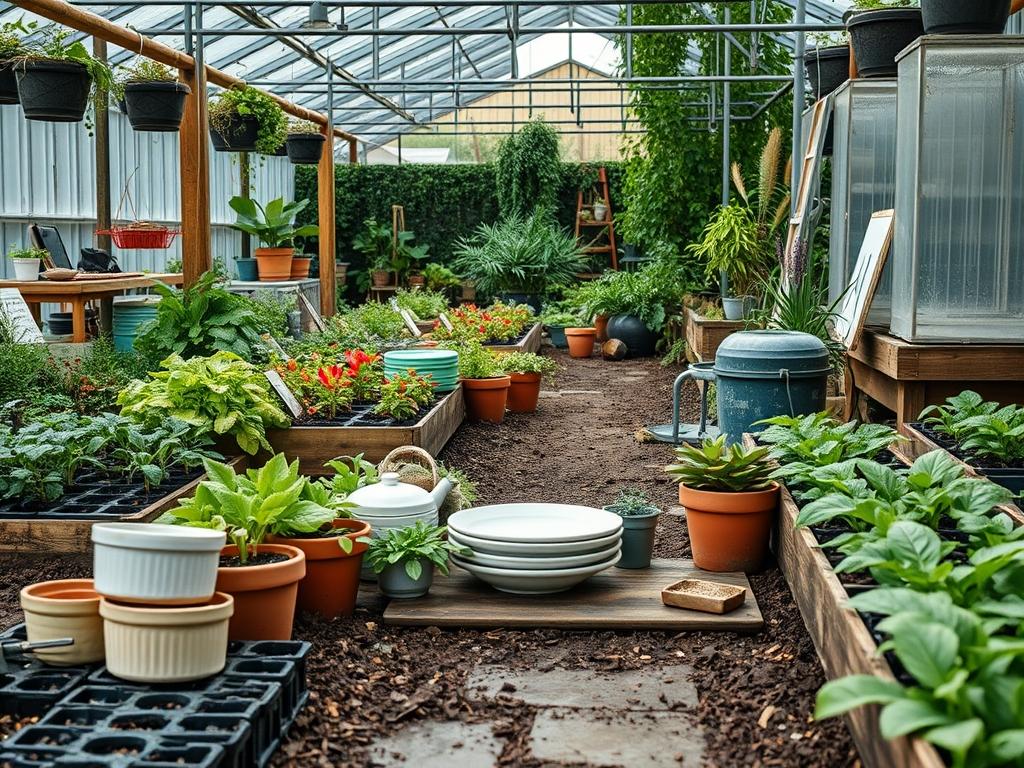
Designing a functional outdoor living space requires more than just a green thumb and a set of lawn chairs. As a landscape architect, I view the backyard as a complex ecosystem where architecture meets biology and lifestyle needs. The challenge begins with understanding how climate considerations and site topography dictate the flow of movement. When we plan for significant curb appeal and utility, we must consider how the transition from the indoor kitchen to the outdoor dining area influences the choice of materials. A high-end stone terrace demands a specific level of durability for every element placed upon it, including the Backyard Outdoor Dishware used for entertaining. If your landscape features hard surfaces like granite or travertine, the risk of breakage increases. Therefore, the landscaping design must reflect the practical realities of al fresco dining, ensuring that the environment is both beautiful and resilient against the elements.
Landscape Design Principles
Successful landscape design is built upon the foundation of symmetry and visual balance. When we establish a focal point, such as a custom outdoor fireplace or a sculptural Japanese Maple, we create an anchor for the eye. This focal point dictates how the rest of the space is organized. Symmetry does not always mean a mirror image; rather, it refers to the distribution of visual weight across the horizon line. By using elevation layers, a designer can create a sense of depth even in small urban lots. Tiered retaining walls made of stacked stone or interlocking concrete blocks allow for distinct zones of activity. The highest level might serve as a sun deck, while the lower level, shaded by a pergola, acts as the primary dining area where melamine or tritan plates are used to withstand the rigors of outdoor transport.
Irrigation planning is perhaps the most critical technical component of the design phase. A professional plan organizes plants into hydro-zones based on their water requirements. High-efficiency drip irrigation systems ensure that moisture reaches the root zone without wasting water through evaporation or runoff. By burying polyethylene tubing beneath a layer of organic cedar mulch, we maintain soil moisture while keeping the hardware out of sight. Walkways should be wide enough for two people to pass comfortably, typically requiring a width of at least 4 feet. Materials like decomposed granite, flagstone, or pavers should be set on a compacted crushed stone sub-base to prevent shifting over time. This structural integrity ensures that the path from the grill to the dining table remains level and safe for carrying heavy trays of food.
Visual balance is achieved through the careful selection of textures and colors. A mix of fine-textured grasses and coarse-leaved shrubs creates a dynamic environment that changes with the seasons. We often use the rule of thirds to place decorative elements, ensuring that the garden feels natural rather than cluttered. Lighting also plays a pivotal role in these design principles. Low-voltage LED path lights and up-lights for specimen trees extend the usability of the space into the evening hours, highlighting the craftsmanship of the masonry and the vibrancy of the foliage.
Plant and Material Selection
Selecting the right biological and structural elements determines the longevity of the landscape. Every plant must be vetted for its ability to thrive in the local microclimate.
| Plant Type | Sun Exposure | Soil Needs | Water Demand | Growth Speed | Maintenance Level |
| :— | :— | :— | :— | :— | :— |
| Boxwood Shrub | Full Sun to Shade | Well-Drained | Moderate | Slow | Medium (Trimming) |
| Lavender | Full Sun | Sandy/Alkaline | Low | Moderate | Low (Pruning) |
| Dwarf Fountain Grass | Full Sun | Adaptable | Low | Fast | Low (Cut back in winter) |
| Oak Leaf Hydrangea | Part Shade | Rich/Moist | Moderate | Moderate | Medium (Deadheading) |
| Creeping Thyme | Full Sun | Poor/Well-Drained | Low | Moderate | Low (Groundcover) |
| River Birch | Full Sun | Moist/Acidic | High | Fast | Medium (Debris) |
Implementation Strategy
The transition from a blueprint to a physical garden requires a disciplined implementation strategy. The process starts with site grading. Proper grading ensures that water flows away from the home foundation and toward designated drainage areas or French drains. We typically recommend a slope of 2 percent for patios and walkways to prevent pooling. Once the grade is established, we move to hardscaping, which involves the installation of retaining walls, piers, and patios. Using a transit level is essential during this phase to maintain precise elevations across the entire site.
After the hard structures are in place, the focus shifts to edging and soil preparation. Steel edging or aluminum bender board provides a crisp line between the lawn and the planting beds, preventing grass from encroaching on ornamental species. The soil in planting beds should be amended with organic compost to improve aeration and nutrient availability. When planting, we follow the principle of the 18 inch spacing rule for perennials to allow for future growth. Every tree and shrub is planted so that the root flare is slightly above the soil line to prevent rot.
Finally, we apply a layer of hardwood mulch at a depth of 3 inches. This depth is sufficient to suppress weeds and retain moisture without suffocating the plant roots. The final walkthrough involves checking every irrigation emitter and ensuring that the outdoor kitchen hardware is calibrated. During this phase, the homeowner can begin stocking their storage cabinets with Backyard Outdoor Dishware that complements the stone colors and wood tones of the new environment.
Common Landscaping Failures
Many landscaping projects fail due to poor drainage planning. When water is allowed to sit against a foundation wall or saturate a lawn for extended periods, it leads to root rot and structural damage. Overlooking the importance of a catch basin or a properly sized drainage pipe can result in costly repairs later. Another frequent mistake is root overcrowding. It is tempting to plant densely for immediate impact, but failing to account for the mature width of a Leighton Green Cypress or an Emerald Green Arborvitae leads to stunted growth and disease as plants compete for light and nutrients.
Improper spacing and soil compaction are also major hurdles. In new construction, heavy machinery often packs the soil so tightly that roots cannot penetrate it. A professional landscape consultant will use a power auger or a tiller to break up this compaction before any planting begins. Irrigation inefficiencies, such as misdirected sprinkler heads that spray the siding of the house instead of the turf, lead to wood rot and wasted resources. Lastly, many homeowners fail to select durable materials for their outdoor lifestyle. Using indoor ceramic plates on a hard slate patio often results in chipped edges; selecting appropriate Backyard Outdoor Dishware for these rugged environments is a key part of the overall site planning.
Seasonal Maintenance
Landscape management is a year-round commitment that changes with the weather. In the spring, the focus is on rejuvenation. This involves removing winter debris with a stiff rake, applying a slow-release fertilizer, and pruning any winter-killed branches with bypass loppers. It is also the time to inspect the irrigation controller and replace the batteries in the timer. As we move into summer, the priority shifts to water management and weed control. During heatwaves, deep watering in the early morning hours is more effective than frequent shallow watering.
Autumn is the season for preparation and planting. The cooler temperatures and increased rainfall provide the ideal conditions for new trees and shrubs to establish roots before the ground freezes. We recommend aerating the lawn with a core aerator and overseeding with fescue or bluegrass. Finally, in the winter, the landscape should be protected from the elements. Sensitive plants may need to be wrapped in burlap, and irrigation lines must be blown out with compressed air to prevent pipes from bursting in freezing temperatures. Outdoor furniture and high-quality Backyard Outdoor Dishware should be cleaned and stored in a dry location to maintain their finish.
Professional Landscaping FAQ
How often should I mulch my garden beds?
Apply a fresh 3-inch layer of organic mulch once per year, typically in early spring. This maintains the aesthetic, suppresses weeds, and preserves soil moisture. Check the depth periodically to ensure it has not decomposed completely or moved during heavy rain.
What is the best way to handle poor drainage on a flat lot?
Install a French drain or a dry creek bed using river rock and filter fabric. These features direct excess water to a lower point or a sump pump, preventing standing water from damaging your roots or hardscaping.
How do I choose the right plants for my climate zone?
Consult the USDA Plant Hardiness Zone Map to match species to your local temperature extremes. Using native plants is generally the most sustainable choice, as they are naturally adapted to the local soil chemistry and average annual rainfall.
Can I install a stone patio directly on the dirt?
No, a stone patio requires a stable foundation. You must excavate the area and install a 4-inch layer of compacted gravel followed by a 1-inch layer of sand to ensure the surface remains level and drains properly.
What are the most durable materials for outdoor entertaining?
For hardscaping, choose natural stone or high-fired pavers. For dining accessories, look for shatterproof melamine or BPA-free polycarbonate. These materials withstand UV exposure and the physical impact of being dropped on hard outdoor surfaces like concrete or brick.