
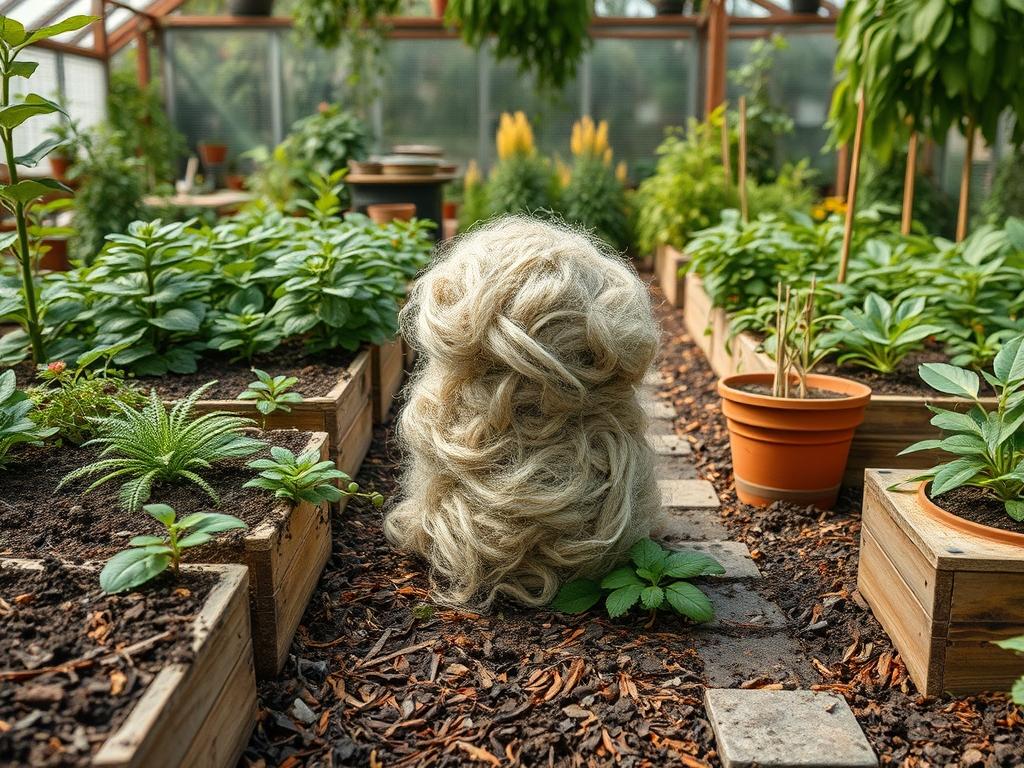
Integrating a vibrant avian habitat into a sophisticated landscape design requires more than just hanging a birdhouse. It demands a holistic approach backdropped by ecological stewardship and structural intent. When we discuss the provision of backyard bird nesting wool, we are addressing a specific restoration of the softscaping needs of local wildlife. In many urban and suburban environments, the natural procurement of soft lining materials like animal fur or moss is increasingly difficult for birds to find. By intentionally incorporating these resources into a property, a landscape architect solves a functional gap while enhancing the dynamic movement within the garden. This environmental sensitivity adds a layer of depth to the property curb appeal that static elements cannot achieve. A well-planned garden should be a living system where aesthetics meet utility; this ensures the outdoor space remains captivating across all four seasons.
Landscape Design Principles
Successful integration of wildlife resources depends on the core tenants of spatial arrangement and site hierarchy. When planning for the inclusion of backyard bird nesting wool, we must consider the site focal points and the safety of the avian residents. Symmetry often dictates formal gardens, but for habitat support, we lean toward a balanced asymmetry that mimics natural forest edges. This involves creating “soft edges” where high-canopy trees transition into mid-level shrubs and eventually groundcover.
Elevation layers are critical. You should position nesting material dispensers at an elevation of at least 5 feet to prevent ground-based predators from interfering with the birds. We use visual balance to ensure these functional items do not detract from the architectural lines of the home. Placing a wrought iron dispenser on a cedar post can act as a minor focal point within a perennial border. Furthermore, irrigation planning must account for these areas. You want to ensure that secondary spray or misting from an automated system does not saturate the backyard bird nesting wool, as damp fibers can harbor mold and bacteria. Proper walkways should be designed to allow the homeowner to refill these stations without compacting the soil near sensitive root zones of surrounding Boxwoods or Hydrangeas.
Plant and Material Selection
The following table outlines high-performance plants and materials that complement a professional habitat-focused landscape.
| Plant or Material | Sun Exposure | Soil Needs | Water Demand | Growth Speed | Maintenance Level |
| :— | :— | :— | :— | :— | :— |
| Eastern Red Cedar | Full Sun | Well-drained | Low | Moderate | Low |
| Switchgrass | Full Sun | Variable | Low to Med | Fast | Low |
| Backyard Bird Nesting Wool | N/A | Dry Location | None (Keep Dry) | N/A | Moderate |
| Serviceberry | Part Shade | Acidic/Loamy | Medium | Moderate | Medium |
| River Birch | Full Sun | Moist/Acidic | High | Fast | Medium |
| Natural Sheep Wool | N/A | N/A | Keep Dry | N/A | Seasonal |
When selecting backyard bird nesting wool, ensure the material is strictly raw and chemical free. Avoid wool that has been treated with dyes, perfumes, or harsh detergents. Birds are highly sensitive to respiratory irritants. We recommend using alpaca fiber or sheep wool that has been lightly washed in plain water to remove excess lanolin while remaining natural.
Implementation Strategy
Implementing a professional-grade backyard layout begins with thorough site grading. Before any materials are introduced, the land must be shaped to move water away from high-traffic bird zones. Standing water near nesting resources can lead to avian diseases. Once the grading is established, we use steel edging or natural stone borders to define the planting beds.
The next step involves the installation of hardscaping. Use pressure-treated 4×4 posts or powder-coated steel poles to mount the nesting wool stations. These should be anchored in a concrete footing if the local wind load is high. Around the base of these stations, apply a 3-inch layer of hardwood mulch or crushed granite to prevent mud splattering during heavy rains. For the dispensing mechanism itself, a spiral wire holder or a recycled suet cage works best. Ensure the gaps are large enough (roughly 1 inch) for birds to pull fibers out but small enough that the entire clump of wool does not fallout.
Drainage is the most overlooked factor in habitat design. If you are placing a wool dispenser near a downspout or a low point in the yard, you must install a French drain or a catch basin to divert surface runoff. This keeps the immediate environment hygienic and prevents the degradation of your landscaping materials.
Common Landscaping Failures
One of the most frequent mistakes in professional landscaping is root overcrowding. When homeowners try to create a dense “natural” look too quickly, they plant Viburnums or Privets too close together. This creates stagnant air pockets where moisture gets trapped, which can ruin the backyard bird nesting wool and encourage fungal growth on foliage.
Soil compaction is another silent killer of garden vitality. High foot traffic near bird stations can compress the soil, squeezing out oxygen and killing the beneficial microbes necessary for plant health. We mitigate this by designated flagstone paths or stepping stones.
Improper irrigation remains a primary failure point. If your pop-up spray heads are aimed toward the nesting material stations, the wool will become a sodden mess. This makes it useless for the birds, as they cannot use wet material to insulate their eggs. Always adjust your irrigation nozzles to a lower trajectory or switch to drip irrigation in zones containing nesting resources. Finally, avoid using thin plastic bird netting as it can entangle birds; stick to structured wire dispensers that provide a safe “grab and go” experience.
Seasonal Maintenance
Landscape management is a year-round commitment. In the spring, your primary focus is the deployment of the backyard bird nesting wool. This is the peak demand period. Check dispensers weekly and refill them before they are completely empty. It is also the time to apply a slow-release fertilizer to your structural shrubs.
During the summer, transition your focus to irrigation and pruning. Ensure that the foliage around your bird stations has not become so overgrown that it provides a hiding spot for predators like domestic cats. Thin out interior branches of ornamental trees to allow for better air transition.
In the autumn, clean out all nesting wool dispensers. Remove any leftover fibers that may have gathered dust or pollen over the summer months. This is also the time to apply a fresh 2-inch layer of organic mulch to protect plant roots from the upcoming freeze. If you use perennial grasses, leave them standing through the winter to provide additional cover for ground-foraging birds.
Winter is the season for structural assessment. Inspect all retaining walls, fence posts, and hardware cages. Any metal components showing signs of rust should be sanded and treated with a non-toxic outdoor paint. While birds are not nesting in winter, keeping the hardware in good repair ensures you are ready for the first signs of activity in late February.
Professional Landscaping FAQ
What is the best type of wool for backyard birds?
Use raw, untreated sheep wool or alpaca fleece. Ensure it is free from chemicals, dyes, and long synthetic fibers. Shorter fibers are safer because they do not pose an entanglement risk to small legs or fragile wings.
Where should I place the nesting wool dispenser?
Mount dispensers in a visible, open area at least 5 feet above the ground. Ensure the location is sheltered from prevailing winds and direct rainfall. Position it near “cover” like a dense shrub for safety from hawks.
Will squirrels steal the backyard bird nesting wool?
Squirrels often take wool for their own nests. To prevent this, use a baffle on your mounting pole or place the wool in a weighted wire cage. However, many landscapers choose to provide enough material for both species.
How often should I clean the wool dispensers?
Clean the dispensers at the end of every nesting season using a solution of one part vinegar to nine parts water. Scrub away any debris. Thoroughly dry the dispenser before refilling it with fresh backyard bird nesting wool next spring.
Can I use dryer lint as a substitute for wool?
Never use dryer lint. It contains synthetic microplastics, detergents, and perfumes that are harmful to avian respiratory systems. It also loses structural integrity when wet, potentially turning into a sticky paste that can coat and kill unhatched eggs.