
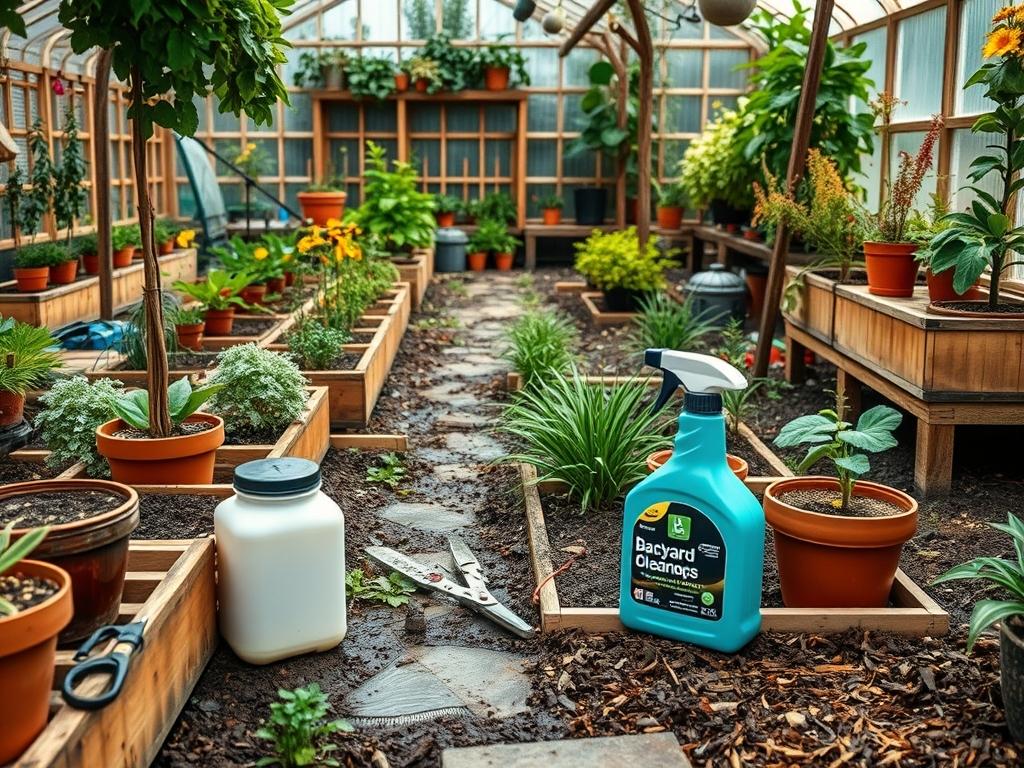
Maintaining the structural integrity and aesthetic value of a residential landscape requires a holistic approach that extends beyond simple lawn care. As a landscape architect, I have observed that the perimeter of a property often dictates the visual quality of the entire outdoor environment. The fence serves as a backdrop to your curated botanical collection, providing contrast and texture that defines the space. However, environmental factors such as high humidity, UV exposure, and heavy rainfall can quickly degrade these surfaces. When algae, mold, or grey oxidation begins to take hold, the most effective solution is the strategic application of Backyard Fence Cleaning Sprays. These chemical or organic solutions are designed to lift biological growth and environmental pollutants without compromising the structural integrity of the material. Integrating these cleaning protocols into a broader landscape management plan ensures that the hardscaping elements remain as vibrant as the living flora surrounding them.
The selection of a cleaning agent depends heavily on the surrounding ecosystem. If you have established Hydrangeas or Japanese Maples growing within a few feet of the fence line, a harsh chlorine-based solution could cause significant foliar burn or soil pH imbalances. Professional consultants often recommend oxygen bleach or citric acid-based formulas, which break down into harmless components after application. This sensitivity to the environment is the hallmark of modern outdoor environment management. By treating the fence as a core component of the landscape rather than a peripheral boundary, homeowners can achieve a level of polish that enhances curb appeal and protects their long-term investment in hardscaping materials.
Landscape Design Principles
Effective backyard design begins with the concept of visual balance. A fence provides the vertical plane necessary to ground a space, acting as a canvas for the rest of the garden. Symmetry is often achieved by mirroring plant groupings on either side of a central focal point, such as a Stone Pedestal or a large Specimen Tree. When the fence is clean and well-maintained, it reflects light and adds depth to these arrangements. Conversely, a stained or dirty fence absorbs light and makes the garden feel smaller and less inviting. Using Backyard Fence Cleaning Sprays to maintain a bright, clean border is actually a functional design choice that expands the perceived boundaries of the yard.
Elevation layers are equally critical in professional landscaping. We typically design using the rule of three, which includes groundcover, mid-level shrubs, and a vertical backdrop. The fence serves as that highest layer, providing a consistent texture that ties the lower layers together. To maintain this verticality, irrigation planning must be precise. Overspray from Oscillating Sprinklers is a primary cause of mineral deposits and fungal growth on wood and vinyl fences. By transitioning to Drip Irrigation lines, we can target the root zones of plants while keeping the fence dry and clean. This synchronization between hardscaping maintenance and irrigation technology is what separates a professional landscape from a diy project.
Walkways and circulation paths should also be planned with maintenance in mind. I always recommend a 12 inch buffer zone between the fence and the nearest row of plants. This gap allows for proper airflow, which reduces the moisture buildup that leads to mold. It also provides the physical space needed for a homeowner to apply Backyard Fence Cleaning Sprays or perform routine inspections. Without this service gap, maintenance becomes a chore that involves trampling delicate root systems or pruning back expensive ornamentals just to reach the fence surface.
Plant and Material Selection
Selecting the right materials and companion plants is essential for a low-maintenance, high-impact landscape. The following table provides a breakdown of common plants used along fence lines and their specific requirements.
| Plant Type | Sun Exposure | Soil Needs | Water Demand | Growth Speed | Maintenance Level |
| :— | :— | :— | :— | :— | :— |
| Boxwood Shrub | Full Sun to Partial Shade | Well-Drained, Loamy | Moderate | Slow | Low |
| Star Jasmine | Full Sun to Partial Shade | Rich, Organic | Moderate | Fast | Medium |
| English Ivy | Shade to Partial Sun | Adaptable, Moist | Low | Aggressive | High |
| Climbing Rose | Full Sun | Fertile, Well-Drained | High | Medium | High |
| Privet Hedge | Full Sun to Partial Shade | Any, Well-Drained | Moderate | Fast | Medium |
| Lavender | Full Sun | Sandy, Gritty | Very Low | Medium | Low |
Implementation Strategy
The implementation of a professional backyard layout begins with Grading. Proper slope ensures that water moves away from the foundation of the fence. Water pooling at the base of a post is the leading cause of rot and premature failure. We typically specify a 2 percent grade to facilitate effective drainage. Once the grading is established, Edging should be installed to create a clean break between the lawn and the planting beds. I prefer using Aluminum Edging or Steel Edging because they are durable and prevent grass from migrating into the service gap near the fence.
Next, consider the Mulch depth. A 3 inch layer of Cedar Bark Mulch or Pine Bark Nuggets helps to suppress weeds and retain moisture for the plants. However, the mulch should never touch the fence itself, as this creates a bridge for moisture and wood-destroying insects. When it comes time to clean the fence, the mulch acts as a protective barrier for the soil, absorbing some of the runoff from the Backyard Fence Cleaning Sprays. For the cleaning process itself, I recommend using a Pump Sprayer to apply the cleaning agent evenly. After letting the solution sit for 10 to 15 minutes, a light scrub with a Soft Bristle Brush followed by a rinse with a Garden Hose is usually sufficient. Higher pressure settings on a Pressure Washer should be used sparingly, as they can gouge wood fibers and leave permanent damage.
Common Landscaping Failures
One of the most frequent mistakes in backyard planning is the failure to account for root overcrowding. When large trees like Silver Maples are planted too close to a fence, their powerful secondary roots can lift fence posts and destroy the alignment of the panels. This structural shifting creates gaps that compromise privacy and security. Homeowners should research the mature spread of a tree before committing it to a spot near the property line. Furthermore, soil compaction is a silent killer in many gardens. Heavy foot traffic near the fence line during construction or maintenance can crush the pore spaces in the soil, preventing oxygen and water from reaching plant roots.
Irrigation inefficiencies also rank high among common failures. Many systems are set to a “set it and forget it” schedule that does not account for seasonal changes. This leads to overwatering, which accelerates the growth of moss and lichen on the fence. If you notice a green tint on your wood panels, it is a sign that the local microclimate is too damp. Adjusting the irrigation heads and using Backyard Fence Cleaning Sprays can rectify the situation, but the underlying drainage issue must be addressed to prevent recurrence. Finally, ignore the urge to use raw bleach on your fence. While it kills mold, it also breaks down the lignin in wood, making it brittle and more susceptible to future rot.
Seasonal Maintenance
Landscape management is a year-round commitment that changes with the weather. In the Spring, the focus is on renewal. This is the ideal time to use Backyard Fence Cleaning Sprays to remove the grime accumulated over the winter. Inspect your fence for loose boards or rusted fasteners. Prune back any winter-damaged branches from your Burning Bush or Forsythia to ensure they aren’t rubbing against the fence in the wind.
During the Summer, the priority shifts to hydration and pest control. Ensure your Drip Irrigation system is functioning correctly during heatwaves. Keep an eye out for carpenter ants or termites that might be attracted to damp wood. In the Autumn, leaf removal is paramount. Wet leaves trapped against the base of a fence will trap moisture and invite decay. Clear the debris carefully, and consider a light application of a water-repellent sealer if the fence wood is looking parched. Finally, in the Winter, protect your delicate plants from heavy snow loads that might push them against the fence. While the garden is dormant, you can take a step back and evaluate the “bones” of your landscape, ensuring that the structural elements like the fence remain in peak condition for the coming year.
Professional Landscaping FAQ
What is the best way to protect plants during fence cleaning?
Always saturate the soil and foliage of nearby plants with fresh water before and after applying cleaning sprays. This dilutes any runoff. You can also use Plastic Sheeting to temporarily cover sensitive species like Hostas or Ferns.
How often should I use Backyard Fence Cleaning Sprays?
In most climates, an annual cleaning is sufficient to prevent the buildup of organic matter. Properties in high-humidity regions or those with heavy tree canopies may require a bi-annual schedule to prevent mold from embedding deeply into the wood grain or vinyl.
Can I use a pressure washer with fence cleaning chemicals?
Yes, but you must use a low-pressure nozzle, specifically the 40 degree white tip. High pressure can strip the finish and damage wood fibers. The chemical spray should do the heavy lifting, while the water provides a gentle rinse.
Does a clean fence actually help my plants grow?
Indirectly, yes. A clean, light-colored fence reflects more sunlight into the garden, which can be beneficial for sun-loving plants in shaded yards. Removing mold and mildew also reduces the total fungal spore count in your immediate environment.
What is the environmental impact of these cleaning sprays?
Many modern Backyard Fence Cleaning Sprays are biodegradable and phosphate-free. To minimize impact, choose products labeled as “oxygen-based” or “plant-safe.” These formulas rely on active oxygen to lift stains, eventually breaking down into water and soda ash.