
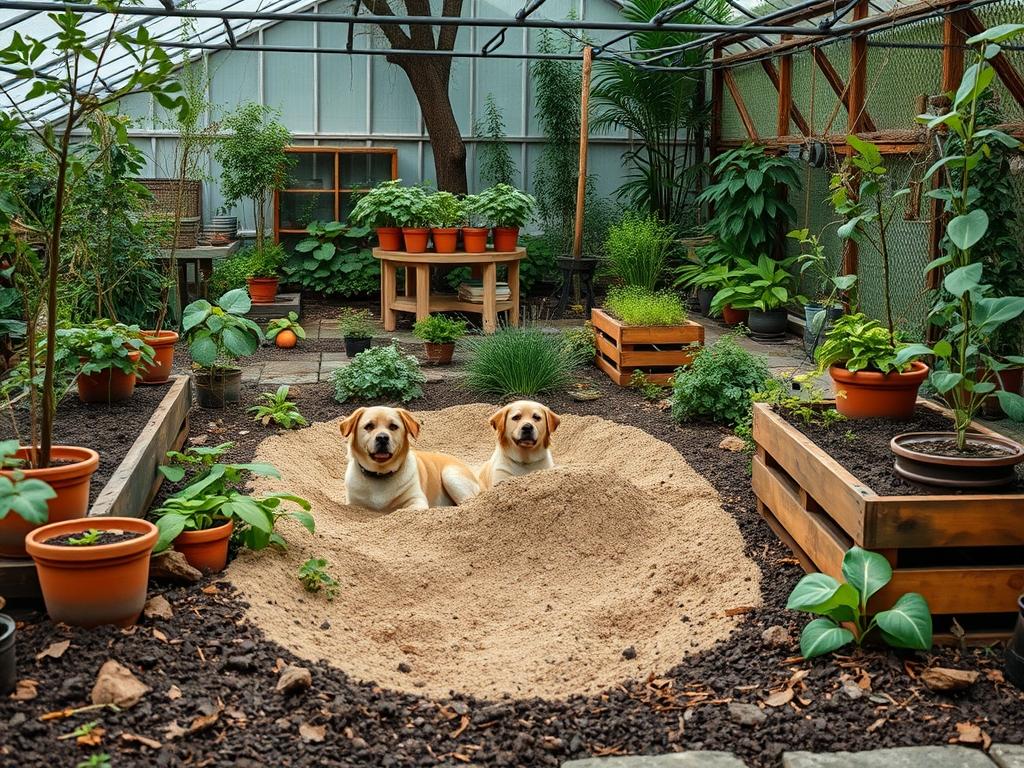
Integrating a dedicated pet zone into a cohesive landscape design often presents a unique challenge for homeowners and professional designers alike. The primary goal is to redirect a dog’s natural instinct to dig away from expensive turf and ornamental garden beds toward a controlled, aesthetically pleasing environment. Backyard Dog Sand Pits serve as an intentional architectural feature that preserves curb appeal while satisfying the functional requirements of high-energy breeds. By treating the sand pit as a formal element of the outdoor living space, it is possible to maintain a sophisticated atmosphere without sacrificing the utility of the yard. This approach requires a deep understanding of site orientation, prevailing wind patterns, and local climate variables to ensure the sand remains dry, clean, and contained within its designated boundaries.
The success of these installations hinges on the designer’s ability to blend the utility of the excavation with existing elevation and hardscaping. In arid climates, the choice of materials must account for high heat retention, while in temperate or wet regions, the focus shifts entirely toward moisture management and preventing the sand from becoming a stagnant mud trap. A well-placed pet feature can actually improve the visual flow of a property by acting as a secondary focal point, often framed by hardy vegetation or decorative retaining walls. When homeowners view the sand pit not as a chore, but as a critical component of their land management strategy, the health of the entire garden improves. This transition from “problem area” to “designed asset” is the hallmark of modern, pet-centric landscape architecture.
Landscape Design Principles
When conceptualizing Backyard Dog Sand Pits, the principle of intentionality reigns supreme. A pit should never appear as an afterthought or a simple hole in the ground; it must adhere to the same standards of symmetry and visual balance as a patio or a formal pond. Site selection should prioritize natural drainage. Avoid low-lying areas where runoff accumulates, as this leads to bacterial growth and foul odors. Instead, look for a site with a slight elevation or one that can be easily integrated into a larger grading plan. By using retaining walls made of natural stone or pressure-treated timber, you can create a raised bed effect that prevents sand from migrating into the grass or irrigation systems.
Walkways should lead logically to and from the pit to manage the flow of “tracking.” Utilizing stabilized decomposed granite or flagstone pavers around the perimeter can catch excess sand from paws before the dog transitions to the main lawn or the interior of the home. Furthermore, the pit should be sized according to the scale of the dog and the yard. A large breed requires a minimum of 6 feet by 4 feet of digging space to feel unrestricted. From a focal point perspective, framing the pit with ornamental grasses or evergreen shrubs provides a visual screen that softens the utility of the sand, making it look like a Zen garden or a sand-scape feature when not in use.
Plant and Material Selection
The following table provides a selection of durable, pet-safe plants and essential materials for a professional sand pit installation.
| Plant or Material | Sun Exposure | Soil Needs | Water Demand | Growth Speed | Maintenance Level |
| :— | :— | :— | :— | :— | :— |
| Blue Grama Grass | Full Sun | Well-drained | Low | Moderate | Low |
| Creeping Thyme | Full Sun | Sandy/Rocky | Low | Fast | Minimal |
| Feather Reed Grass | Partial to Full | Versatile | Moderate | Fast | Periodic Pruning |
| Washed Play Sand | N/A | High Porosity | N/A | N/A | Monthly Sifting |
| Pea Gravel (Base) | N/A | N/A | High Drainage | N/A | None |
| Geotextile Fabric | N/A | N/A | Permeable | N/A | Long-lasting |
Implementation Strategy
The construction of Backyard Dog Sand Pits begins with precise excavation. Professionals should dig to a depth of at least 18 inches to allow for a robust drainage system. Once the hole is cleared, the floor should be graded with a slight 2 percent slope toward a central or peripheral drainage point. Lay down a heavy-duty geotextile fabric to separate the soil from the sand. This liner is crucial because it prevents earthworms and native soil from mixing with the clean sand while still allowing water to pass through into the substrate.
Above the fabric, install a 4-inch layer of crushed stone or pea gravel. This acts as a reservoir during heavy rain, ensuring the sand dries quickly. On top of the gravel, add another layer of landscape fabric to keep the sand from trickling down into the drainage stones. Finally, fill the pit with washed play sand to within 2 inches of the rim. The selection of the edging material is vital for containment. Using 6-by-6 timber sleepers or pre-cast concrete curbing creates a hard barrier that stops sand migration. For a premium finish, apply a non-toxic sealant to any wood components and ensure all fasteners are recessed to prevent injury to the pet. If the area receives intense afternoon sun, consider installing a shade sail anchored by steel posts to keep the sand temperature comfortable for the dog’s paws.
Common Landscaping Failures
One of the most frequent errors in designing Backyard Dog Sand Pits is the failure to account for drainage. Without a proper gravel sub-base, the pit becomes a pond during the rainy season, leading to anaerobic conditions and unpleasant smells. Another common mistake is poor sand selection. Using construction sand or clastic fill can be dangerous, as these often contain sharp silica shards or clay particles that stain the dog’s coat and irritate eyes. Only triple-washed play sand should be used, as it is filtered for impurities and has a consistent grain size.
Spacing and scale also play a role in failure. If the pit is placed too close to a high-traffic entry point, the house will quickly become filled with grit. Conversely, placing it in a completely isolated corner might result in the dog ignoring it entirely, preferring to dig in the “active” parts of the yard. Designers must also be wary of root overcrowding. When excavating near mature trees, cutting large structural roots can destabilize the canopy. Always maintain a distance of at least 1.5 times the drip line radius of any significant specimen trees to ensure their long-term health and the safety of the pet area.
Seasonal Maintenance
Maintaining Backyard Dog Sand Pits requires a disciplined schedule to ensure the area remains sanitary and attractive. In the spring, begin by removing any debris that accumulated over the winter. Use a fine-mesh sifting rake to clear out leaves, twigs, and any buried hazards. This is also the time to check the structural integrity of the edging and retaining walls. Soil heaving from frost may have displaced stones or timbers, which should be reset to prevent sand leakage.
During the summer, the focus shifts to sanitation and moisture. If the sand becomes too dusty, a light misting with a garden hose can keep the particles weighed down. Sanitizing the sand once a month with a mixture of water and white vinegar or a pet-safe enzyme cleaner will neutralize any bacteria. In autumn, the primary task is leaf management. A leaf blower on a low setting can remove surface debris without displacing the sand. Finally, in winter, if you live in a region with heavy snowfall, covering the pit with a heavy-duty tarp or a custom-fitted wooden lid will prevent the sand from becoming a frozen block, making the spring cleanup significantly easier.
Professional Landscaping FAQ
What is the best type of sand for a dog digging pit?
Always use washed play sand. It is specifically refined to remove dust, debris, and sharp edges, making it safe for a dog’s paws and eyes. Avoid masonry sand, which contain high amounts of silt and may stain fur.
How deep should a dog sand pit be for a large breed?
For large breeds, an excavation depth of 18 to 24 inches is recommended. This allows for a 6-inch drainage layer of pea gravel followed by 12 or more inches of sand, providing plenty of digging depth without hitting the liner.
How do I stop sand from getting into my lawn?
Install a 6-inch high border using timbers or stone. Additionally, surround the pit with a 3-foot transition zone of smooth river rocks or paver stones. This acts as a “walk-off mat” to vibrate sand loose from the dog’s paws.
Can I use a sand pit to stop my dog from digging in my flowers?
Yes, this is an “active redirection” strategy. By burying toys or treats in the Backyard Dog Sand Pit, you reward the dog for digging in the correct spot. Over time, the dog will associate the sand pit with positive reinforcement and ignore the flowerbeds.
How often should I replace the sand in the pit?
With proper monthly sifting and spot cleaning, you only need to replace the sand every 1 to 2 years. If the sand begins to smell or changes color despite cleaning, it is time for a full excavation and a fresh supply of play sand.