
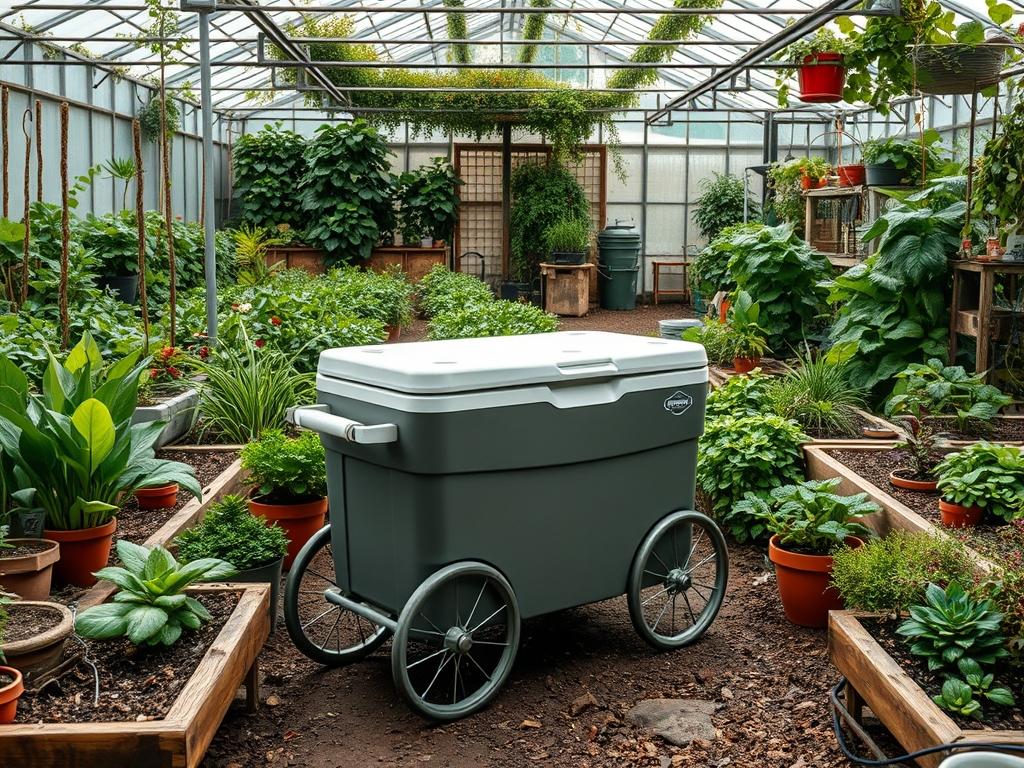
Creating a cohesive outdoor environment requires far more than simply scattering a few shrubs and hoping for the best. To the professional landscape architect, the backyard is a series of interconnected zones, each serving a specific physiological and social purpose. The primary challenge in modern residential design is the integration of utility with aesthetic beauty. We must balance hardscaping, like patios and retaining walls, with softscaping, such as ornamental grasses and perennials, to create a space that feels both lived-in and meticulously curated. When homeowners begin the process of upgrading their external living space, they often overlook the logistical flow of movement. This is particularly true when selecting mobile amenities like Backyard Outdoor Cooler Carts. These units are more than mere beverage containers; they are functional nodes in your social landscape. Their placement and design must complement the surrounding topography, climate, and overall curb appeal to ensure they do not become an eyesore or a tripping hazard during evening gatherings.
The functionality of a garden is dictated by the regional climate and the specific microclimates present on the property. Wind patterns, solar exposure, and soil drainage determine whether a seating area remains comfortable or becomes a swampy heat trap. A well-planned site utilizes elevation changes to define rooms without the need for physical walls. By layering plants and using transition materials like crushed limestone or pea gravel, we can guide guests through an experience. The goal is to maximize functionality while maintaining a high level of curb appeal that increases property value. Every element, from the automated irrigation systems to the mobile utility carts, must harmonize with the architectural style of the home. This comprehensive approach ensures the environment is resilient against the elements and adaptable to the evolving needs of the inhabitants.
Landscape Design Principles
Symmetry and balance form the foundation of any sophisticated garden. However, this does not always mean a mirror image. Asymmetrical balance uses different elements with similar visual weights to create interest. For example, a large Japanese Maple on one side of a path can be balanced by a grouped arrangement of Backyard Outdoor Cooler Carts and seating on the other. Focal points are essential to draw the eye and provide a sense of destination. A stone fireplace or a bespoke water feature serves this purpose well, creating a natural gathering spot. When choosing the best tips for choosing Backyard Outdoor Cooler Carts, one must consider their visual impact. A cart made of stainless steel acts as a modern, reflective focal point, while one crafted from TEAK WOOD blends into a more rustic, wooded environment.
Elevation layers play a vital role in creating depth. By using retaining walls or raised planters, you can introduce verticality into a flat lot. These layers provide opportunities for different planting tiers, ranging from ground covers to mid-level shrubs and high-canopy trees. Walkways should be planned with a minimum width of 36 inches to allow for comfortable passage. If you intend to move equipment like wheeled coolers or garden carts frequently, these paths should consist of firm, level surfaces like poured concrete or large-format pavers with minimal gaps. Irrigation planning must happen concurrently with hardscaping to ensure that subterranean lines are buried at a depth of at least 8 to 12 inches to avoid damage from aeration or foot traffic.
Plant and Material Selection
Selecting the right materials and flora is a technical exercise in sustainability and maintenance. You must match the biological requirements of the plant to the specific conditions of your site.
| Plant Type | Sun Exposure | Soil Needs | Water Demand | Growth Speed | Maintenance Level |
| :— | :— | :— | :— | :— | :— |
| Blue Oat Grass | Full Sun | Well-drained | Low | Moderate | Low |
| Dwarf Boxwood | Part Sun | Loamy/Rich | Medium | Slow | High |
| Purple Coneflower | Full Sun | Any/Tolerant | Low | Fast | Low |
| Oakleaf Hydrangea | Shade/Part Sun | Moist/Acidic | Medium | Moderate | Medium |
| Creeping Thyme | Full Sun | Sandy/Poor | Low | Moderate | Low |
| River Birch | Full Sun | Wet/Clay | High | Fast | Medium |
For hardscaping materials, durability is the priority. Flagstone offers a natural look but requires expert leveling for furniture stability. Composite decking is excellent for areas near water features as it resists rot and splintering. When integrating Backyard Outdoor Cooler Carts, ensure the material of the cart can withstand the same UV and moisture levels as your permanent outdoor furniture.
Implementation Strategy
The transition from a blueprint to a physical garden requires a strict sequence of operations. It begins with grading. Proper grading ensures that water moves away from the home foundation and toward designated drainage zones like French drains or rain gardens. We typically recommend a slope of 2 percent for patio surfaces to prevent pooling. Once the grade is established, edging must be installed to create clean borders between turf and planting beds. Use steel edging or paved stone borders to prevent invasive grass roots from entering decorative areas.
Next, focus on soil preparation. Most suburban soils are heavily compacted from construction. Incorporating organic compost to a depth of 6 inches will improve aeration and nutrient availability. When placing your Backyard Outdoor Cooler Carts, consider the “landing pad.” A small area of reinforced pavers or decomposed granite provides a stable, level surface where the cart can sit without sinking into the lawn. After planting, apply a layer of hardwood mulch at a 3-inch depth. This inhibits weed growth and maintains soil moisture, significantly reducing the workload for the homeowner.
Common Landscaping Failures
The most frequent mistake in backyard planning is poor drainage management. When water has nowhere to go, it saturates the root zones of plants, leading to root rot and fungal diseases. Another common error is improper spacing. Homeowners often plant for immediate fullness, forgetting that a Leyland Cypress can grow to 15 feet wide. This leads to overcrowding, which restricts airflow and creates a breeding ground for pests. Soul compaction is also a major issue, especially in high-traffic areas where people congregate near food and beverage stations.
Irrigation inefficiencies also plague many designs. Overwatering is just as harmful as underwatering. Using smart controllers and drip irrigation for planting beds ensures that water reaches the roots directly with minimal evaporation. Furthermore, failing to consider the weight and mobility of outdoor accessories can lead to cracked pavers or ruined turf. If you choose heavy Backyard Outdoor Cooler Carts, the casters must be large enough to traverse the chosen surface without leaving ruts. Always verify that the hardware on your carts and gates is marine-grade to prevent rust streaks from staining your stonework.
Seasonal Maintenance
Landscape management is a year-round commitment. In the spring, the focus is on rejuvenation. This involves pruning dead wood, dividing overgrown perennials, and applying a fresh layer of pre-emergent weed control. Summer requires diligent monitor of the irrigation system to ensure no clogs are preventing water flow during peak heat. It is also the time to check the seals and finishes on your outdoor furniture and cooler carts. If the wood is fading or the metal is showing signs of oxidation, a quick coat of teak oil or protective wax can prevent long-term damage.
Autumn is the season for preparation and planting. The cooling soil is ideal for establishing new trees and shrubs. Clean out gutters and ensure drainage grates are free of fallen leaves to prevent winter flooding. In the winter, protection is the priority. Sensitive plants should be wrapped in burlap, and irrigation lines must be blown out to prevent pipes from bursting in freezing temperatures. Store your mobile Backyard Outdoor Cooler Carts in a garage or use a heavy-duty weather cover to shield them from snow and ice, ensuring they are ready for use as soon as the first warm day of spring arrives.
Professional Landscaping FAQ
How do I prevent my cooler cart from damaging my lawn?
Always use carts with wide, rubberized wheels and move them frequently. For permanent placement, install a small paver pad or a leveled area of compacted gravel to distribute weight and prevent the grass from being smothered or compacted.
What is the best way to handle backyard drainage?
Install a French drain or a sub-surface pipe system to redirect runoff. Ensure your patio has a slight pitch of 1/4 inch per foot away from your home to prevent standing water and ice accumulation on hard surfaces.
Which materials last longest for outdoor furniture and carts?
Powder-coated aluminum, high-grade stainless steel, and Grade-A teak are the gold standards. These materials resist rust, rot, and UV degradation. Always check that screws and fasteners are made of stainless steel to avoid unsightly rust stains.
How often should I mulch my garden beds?
Apply a fresh 3-inch layer of organic mulch every spring. This maintains soil temperature, suppresses weeds, and improves soil structure as it decomposes. Avoid “mulch volcanoes” by keeping the material away from the base of tree trunks.
Can I use tap water for my irrigation system?
Yes, but you should test your water for high mineral content or alkalinity. If you have “hard water,” it may clog drip emitters over time. Installing a basic filter on your irrigation header can prolong the life of the system.