
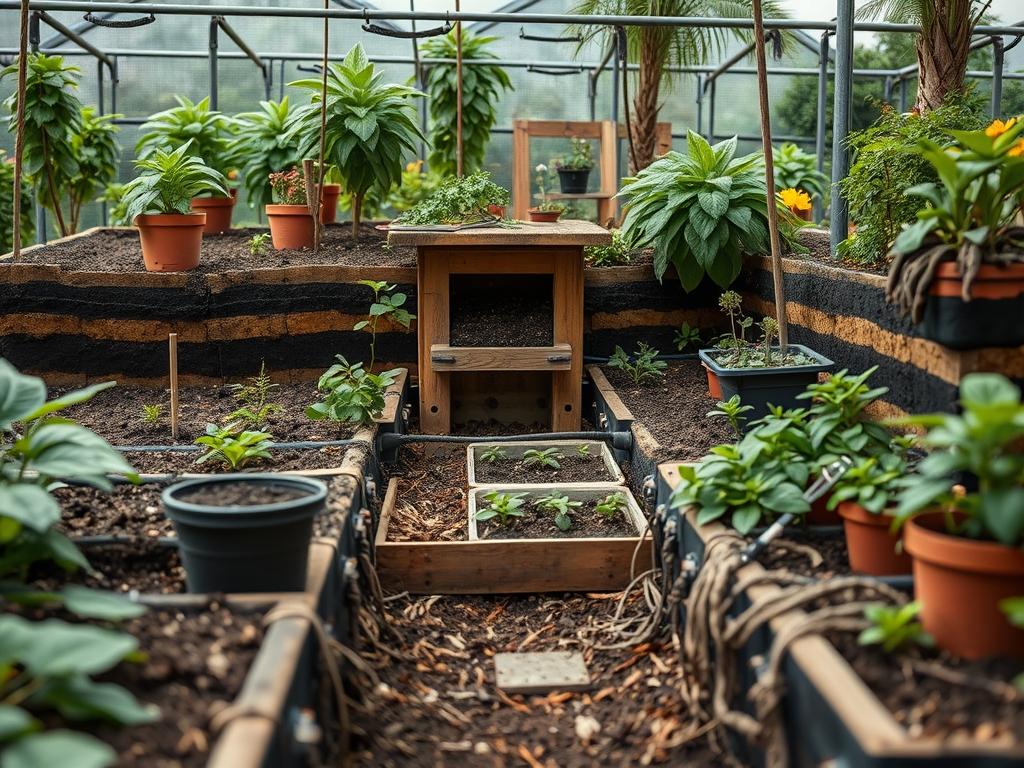
Integrating a high performance wildlife habitat into a residential master plan requires more than just hanging a wooden structure on a tree. As landscape architects, we view the task of Backyard Bat Box Monitoring as a specialized intersection between ecological restoration and site engineering. The primary challenge involves balancing the technical requirements of the bats, which need specific thermal profiles and height clearances, with the aesthetic demands of a curated garden. Successfully incorporating these units enhances the outdoor living experience by providing natural pest control, yet it necessitates careful consideration of site orientation, drainage, and visual balance to ensure the box does not become an eyesore or a failure of functionality. Curb appeal is maintained when the structure is treated as a sculptural focal point or integrated into a vertical layering strategy that mimics natural forest edges.
Landscape Design Principles
Successful installation begins with the application of foundational design principles, specifically focal points and elevation layers. A bat house requires an elevation of at least 15 feet to 20 feet from the ground to ensure the safety of the colony from terrestrial predators and to provide a clear drop zone for flight. In a professional landscape, this verticality is managed by selecting a mounting site that aligns with existing sightlines. We often utilize the principle of symmetry by placing the mounting pole as a central axis in a formal garden or, conversely, using it to anchor a corner of a meadow-style planting bed.
Irrigation planning is critical when placing these structures. You must ensure that the base of the mounting pole is not subjected to constant overspray from heavy duty sprinkler heads, which can lead to rot or instability over time. Furthermore, the visual balance is achieved by surrounding the base of the pole with a tiered planting scheme. By using the rule of threes, you can place low-lying groundcovers at the perimeter, mid-sized shrubs in the secondary ring, and the vertical element of the bat house as the pinnacle. This layering disguises the utilitarian nature of the pole while creating a transition zone that blends the structure into the broader garden environment.
Walkways should be designed to lead near the monitoring site without passing directly under the flight path. For effective Backyard Bat Box Monitoring, the homeowner needs easy, stable access to the area to observe guano accumulation or utilize a thermal camera. We recommend a 4 foot wide path constructed of permeable materials, like decomposed granite or flagstone, to ensure the monitoring area remains dry and accessible during the spring rainy season.
Plant and Material Selection
To support a bat colony, the surrounding landscape must be an active foraging ground. We select plant species that attract nocturnal insects, particularly moths and beetles. The following table outlines the plant palette recommended for a bat friendly landscape.
| Plant Type | Sun Exposure | Soil Needs | Water Demand | Growth Speed | Maintenance Level |
| :— | :— | :— | :— | :— | :— |
| Oenothera biennis (Evening Primrose) | Full Sun | Well Drained | Moderate | Fast | Low |
| Monarda fistulosa (Wild Bergamot) | Partial Sun | Loamy/Clay | High | Medium | Moderate |
| Lonicera sempervirens (Coral Honeysuckle) | Full Sun | Adaptable | Low | Medium | Pruning Required |
| Nicotiana alata (Jasmine Tobacco) | Full Sun | Rich Organic | Moderate | Fast | Low |
| Clethra alnifolia (Summersweet) | Part Shade | Moist Acidic | High | Slow | Minimal |
| Silene stellata (Starry Campion) | Dappled Shade | Mesic | Moderate | Medium | Low |
Implementation Strategy
The physical implementation of the monitoring site follows a strict construction sequence. First, the site should be graded to ensure water flows away from the mounting location. We utilize a spirit level and landscape stakes to mark the perimeter. If the site is on a slope, a small retaining wall built from stacked fieldstone or pressure treated 6×6 timbers may be necessary to create a flat standing area for monitoring.
Once the area is graded, the mounting pole is installed. For a professional finish, we use a 4 inch by 4 inch or 6 inch by 6 inch pressure treated post, set 3 feet deep into the ground. The hole is filled with high strength concrete, sloped at the top to shed water away from the wood. Around the base, we install a heavy duty landscape fabric followed by a 3 inch layer of hardwood mulch or river rock. This prevents weed growth and provides a clean surface to inspect for guano, which is a key part of Backyard Bat Box Monitoring.
Edging is then applied to define the beds. Using 14 gauge steel edging creates a crisp, permanent line that separates the turf from the habitat area. Drainage must be verified at this stage. If the soil is heavy clay, we might install a French drain composed of perforated PVC pipe and round gravel to prevent the area around the pole from becoming swampy during heavy downpours.
Common Landscaping Failures
The most frequent failure in this niche is improper placement relative to the existing canopy. Placing a bat box on a tree is generally discouraged by consultants because it allows climbing predators easy access and often creates too much shade, preventing the box from reaching the necessary internal temperature of 85 to 100 degrees Fahrenheit. Soil compaction is another silent killer of landscape health. If heavy machinery was used during the installation of a large pole, the surrounding soil may become so dense that the root systems of the supporting plants cannot penetrate the earth, leading to stunted growth or plant death.
Irrigation inefficiencies also plague these projects. If the drip irrigation emitters are placed too close to the base of the wooden pole, the constant moisture will invite fungal growth and subterranean termites, compromising the structural integrity of the mount. Finally, improper spacing of the plant materials often leads to root overcrowding. Designers must account for the mature width of shrubs like Clethra alnifolia, ensuring they do not block the clear flight path, which requires a 20 foot radius of open space in front of the box.
Seasonal Maintenance
Landscape management is a year round commitment that changes with the seasons. In the Spring, the focus is on reactivation. We clear any debris from the entry baffles using a long handled brush and inspect the structural bolts for tightness. This is also the time to apply a fresh layer of organic mulch and check the irrigation controller for proper scheduling as the plants come out of dormancy.
During the Summer, monitoring reaches its peak. We observe the bats during the dusk emergence to count the population. The landscape maintenance involves regular weeding and ensuring the nocturnal plants are receiving enough water to produce the nectar that attracts prey insects. We also check for wasp or hornet nests within the box, as these can deter bats from roosting.
In the Autumn, we transition to cleanup. Deadheading the night blooming perennials ensures a tidy appearance for the winter months while allowing some seed heads to remain for other wildlife. This is the ideal time to check the finish on the box. If the non toxic outdoor stain is peeling, a quick sand and reapplied coat will protect the wood from winter moisture.
Winter is the season for structural audits. Since the bats have likely migrated or moved to a hibernaculum, we can perform deeper inspections. We check for wood splitting and ensure the frost heave has not shifted the pole out of its vertical alignment. It is also a time to plan for new additions to the supporting landscape for the following year.
Professional Landscaping FAQ
Where is the best location for a bat box in a private garden?
Place the box in a spot that receives at least six to eight hours of direct daily sunlight, preferably facing south or southeast. It should be at least 20 feet away from trees and elevated 15 feet above the ground.
Can I mount a bat box on my house?
While possible, it is not recommended for luxury landscapes. Guano can stain siding and the box may trap moisture against the structure. A standalone pole mount offers better thermal regulation and easier Backyard Bat Box Monitoring without risking the home’s exterior.
What color should I paint the box?
The color depends on your local climate. In northern regions, use dark shades like black or dark gray to absorb heat. In southern climates, medium shades like tan or light gray are preferred to prevent the colony from overheating during the summer.
How do I prevent predators from reaching the box?
Install a baffle or a stovepipe guard around the mounting pole at a height of about 4 feet. This prevents raccoons, snakes, and cats from climbing the pole. Ensure no overhanging branches are within jumping distance of the habitat.
What is the best way to collect guano for garden fertilizer?
Place a dedicated collection tray or a piece of plywood at the base of the pole. During your Backyard Bat Box Monitoring, you can easily scrape the guano into a bucket. It is a nitrogen rich fertilizer perfect for your garden beds.