
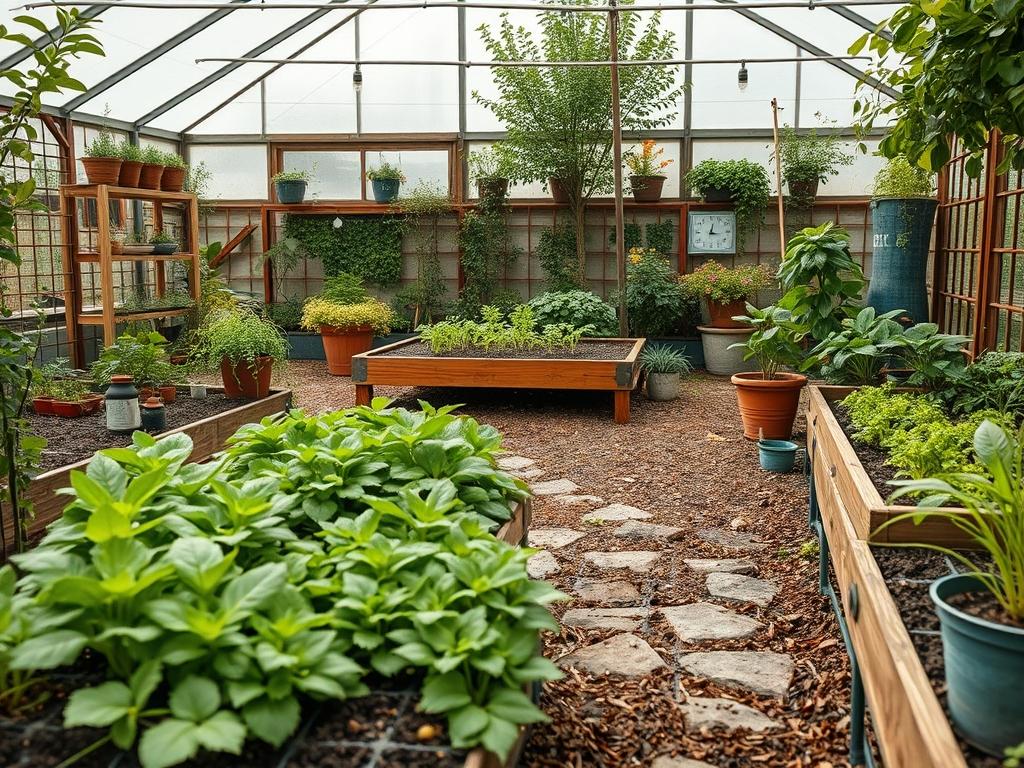
Transforming a constrained outdoor area requires a departure from traditional sprawl based thinking; instead, we must embrace a philosophy of precision and vertical layering. Backyard Small Yard Decking represents a unique intersection of structural engineering and horticultural artistry where every square inch must serve a dual purpose. In smaller residential lots, the primary challenge involves mitigating the feeling of enclosure while maximizing the utility of the footprint. Climate considerations play a decisive role in this planning phase. A deck in a humid subtropical zone requires different ventilation clearances than one in a semi arid region. Furthermore, the curb appeal of a well integrated deck system can increase property valuation by providing a seamless transition between indoor living rooms and the natural environment. Success in this endeavor relies on understanding the site’s microclimate, the specific drainage patterns of the subsoil, and the intended flow of foot traffic.
Landscape Design Principles
Effective small yard design hinges on the concept of visual expansion. By utilizing symmetry and established focal points, an architect can direct the eye away from the boundary lines and toward a central feature or an elevated plane. Symmetry provides a sense of order that calms the visual chaos often found in cluttered small gardens. For example, placing identical terracotta planters on either side of the deck stairs creates an immediate sense of formal structure.
Elevation layers are perhaps the most potent tool in the designer’s arsenal for Backyard Small Yard Decking projects. By introducing a multi leveled deck structure, even with a height difference of only 6 inches or 12 inches, you define specific functional zones without the need for walls. A lower level might serve as a dining area, while a slightly raised platform functions as a lounge or reading nook. This variation in height creates depth.
Irrigation planning must be integrated into the deck’s substructure before the first plank is laid. We often recommend a drip irrigation system threaded beneath the joists to reach perimeter containers or built in planters. This avoids the unsightly appearance of surface hoses and ensures that water is delivered directly to the root zones, minimizing evaporation. Walkways should be designed to complement the deck’s orientation; diagonal paths often make a yard feel wider than paths that run parallel to the fence line. Visual balance is finally achieved through the judicious use of negative space, ensuring the deck does not overwhelm the available green space.
Plant and Material Selection
Selecting the right materials and foliage is critical when space is at a premium. The materials must be durable enough to withstand high traffic in a concentrated area, while the plants should offer year round interest without becoming invasive or oversized.
| Plant Type | Sun Exposure | Soil Needs | Water Demand | Growth Speed | Maintenance Level |
| :— | :— | :— | :— | :— | :— |
| Dwarf Boxwood | Full Sun to Shade | Well drained, loamy | Moderate | Slow | Low |
| Japanese Forest Grass | Partial Shade | Humus rich, moist | High | Moderate | Medium |
| Star Jasmine | Full Sun to Part Shade | Versatile, well drained | Moderate | Fast | Medium |
| Blue Star Creeper | Full Sun to Part Shade | Moist, neutral pH | High | Fast | Low |
| Sky Rocket Juniper | Full Sun | Rocky or sandy | Low | Moderate | Low |
| Lavender (Munstead) | Full Sun | Gritty, alkaline | Low | Moderate | Medium |
For the decking itself, composite decking boards are often superior to traditional pressure treated pine in small spaces because they require no sanding or staining, which can be difficult in tight quarters. If natural wood is preferred, Ipe or Garapa offer incredible density and rot resistance. For the surrounding hardscape, natural flagstone or porcelain pavers provide a high end finish that resists moss growth and handles drainage effectively.
Implementation Strategy
The transition from a blueprint to a physical Backyard Small Yard Decking installation begins with rigorous site preparation. First, the area must be cleared of all existing turf and organic debris. Grading is the most critical technical step; the soil must slope away from the home’s foundation at a minimum rate of one quarter inch per foot. Failure to establish this grade will lead to water pooling beneath the deck, which invites wood rot and pest infestations.
Once the grade is established, lay down a heavy duty geotextile fabric to suppress weed growth. Cover this fabric with 3 inches of crushed stone or pea gravel to facilitate rapid drainage. When setting the footings, use a laser level to ensure the 6×6 support posts are perfectly plumb.
Edging should be installed along the perimeter of the deck to create a crisp transition between the wood and the garden beds. Steel edging or composite bender boards work exceptionally well for defining these lines. For the plantings, ensure a mulch depth of at least 3 inches using shredded cedar or pine bark. This layer preserves soil moisture and regulates temperature. If the yard has poor natural drainage, consider installing a French drain system composed of perforated PVC pipe and round river rock before the final hardscaping is completed.
Common Landscaping Failures
The most frequent error in small yard planning is the ignorence of subsurface drainage. Many homeowners focus on the surface aesthetics while allowing water to stagnate near the deck footings. This leads to soil saturation and eventual structural settling. Another common mishap is root overcrowding. Planting a tree that will eventually have a 20 foot canopy in a yard that is only 15 feet wide is a recipe for future foundation damage and deck lifting.
Improper spacing of deck boards is another technical failure. Without a consistent 1/8 inch or 3/16 inch gap between boards, debris will trap moisture against the wood, and the lack of airflow will accelerate decay. Soil compaction is often overlooked during the construction phase. Heavy foot traffic and machinery can pack the soil so tightly that roots cannot penetrate and water cannot infiltrate. This results in “puddling” and poor plant health. Finally, irrigation inefficiencies, such as spray heads hitting the wood deck instead of the garden beds, will lead to premature failure of the deck’s finish and potential mold issues.
Seasonal Maintenance
A proactive maintenance schedule ensures the longevity of both the deck and the surrounding landscape. In the Spring, the focus should be on cleaning. Use a soft bristle brush and a pH neutral oxygen bleach cleaner to remove winter grime from the deck surface. Inspect all joist hangers and fasteners for signs of corrosion. This is also the time to apply a fresh layer of mulch and prune any winter kill from the Japanese Forest Grass or Lavender.
During the Summer, irrigation monitoring is paramount. In periods of extreme heat, container plants may require watering twice daily. Check the tension of any stainless steel cable railings as they can expand slightly in the sun. Autumn is the season for debris management. Fallen leaves must be swept from the deck and out of the gaps between boards to prevent “organic dams” that hold moisture. Apply a dormant oil to woody ornamentals to protect against overwintering pests.
In Winter, the goal is protection. If you live in a climate with heavy snow, use a plastic shovel rather than a metal one to avoid scarring the deck boards. Avoid using rock salt or chemical de icers; these can pit the surface of the wood or composite and will certainly damage the soil chemistry of your nearby planting beds. Instead, use a light dusting of sand for traction if necessary.
Professional Landscaping FAQ
How do I choose the best deck size for a small yard?
Maintain a ratio of 1:3 between the deck and the remaining green space. This ensures the yard feels like a garden rather than a wooden courtyard. Always measure your outdoor furniture before finalizing the deck footprint.
What is the best way to handle privacy in tight spaces?
Utilize vertical elements like cedar lattices or narrow evergreen screens. Species like Sky Rocket Juniper provide height without width. This creates a “living wall” that offers seclusion without the claustrophobic feel of a solid fence.
Can I install a deck over existing concrete?
Yes, using a sleeper system. These are low profile joists, usually 2×4 pressure treated lumber, laid flat. Ensure the concrete beneath has adequate drainage and use plastic shims to level the framing before attaching the deck boards.
How do I prevent weeds from growing under my deck?
Install a professional grade non woven geotextile fabric over the bare soil. Cover the fabric with a layer of clear gravel. This blocks the sunlight required for germination while allowing water to pass through to the water table.
Is lighting necessary for small yard decks?
Absolutely. Integrated LED riser lights and post cap lights increase safety and extend the usability of the space into the evening. Proper lighting also makes the yard appear deeper by illuminating the perimeter foliage beyond the deck.