
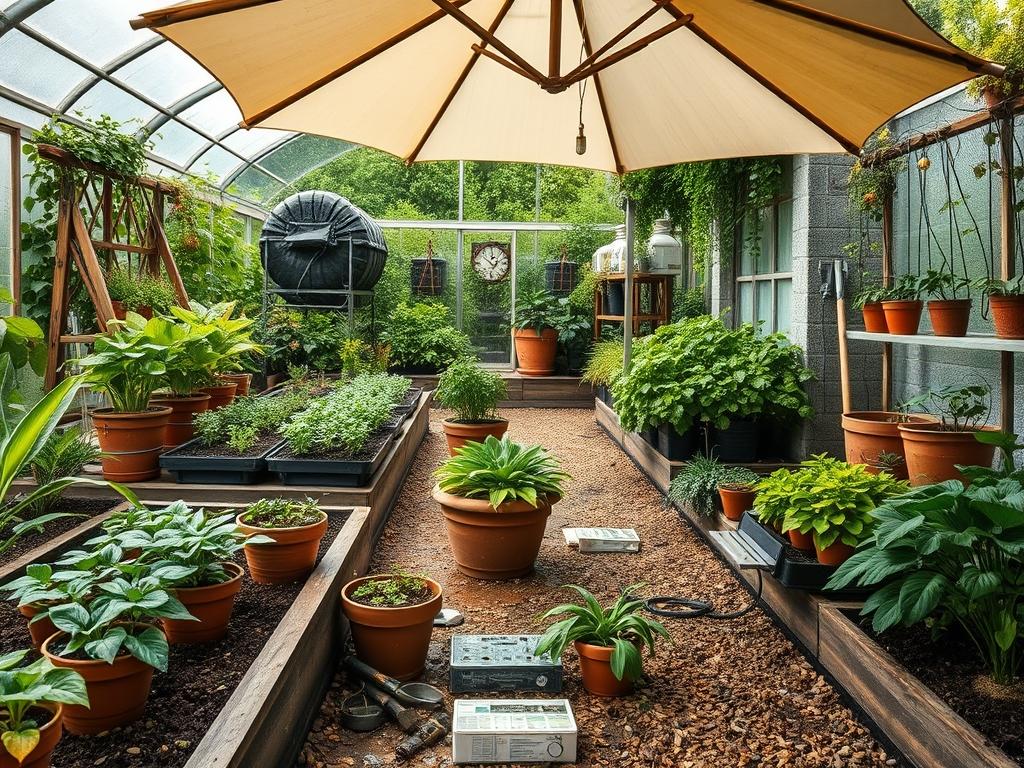
Creating a functional outdoor living space requires a sophisticated understanding of vertical space and environmental control to ensure long term comfort. When considering professional Backyard Patio Umbrella Tips, one must view the shade structure not as a temporary accessory but as a critical piece of landscape architecture. The primary challenge in modern backyard design involves managing shifting sun angles throughout the day while maintaining a cohesive aesthetic that complements both the surrounding greenery and the architectural lines of the home. In regions prone to high wind or intense midday heat, the placement and structural integrity of shade elements determine the functional longevity of the entire patio environment. A strategically positioned umbrella enhances curb appeal by introducing height and texture, drawing the visual focus upward and creating a clearly defined destination within the larger garden layout. This intentional design choice helps transition the rigid planes of hardscaping into the softer, organic elements of the backyard, ensuring the space feels both protected and expansive.
Landscape Design Principles
Effective landscape design relies on the core concepts of symmetry and visual balance to guide the visitor through the outdoor environment. When integrating large-scale shade solutions, architects often use the umbrella as a central focal point around which seating and planting beds revolve. Symmetry does not always mean a mirror image; rather, it refers to the weight of objects within the viewing plane. For instance, a heavy cantilever umbrella on the left side of a patio can be balanced by a grouped planting of Sky Rocket Junipers on the right. This creates a harmonious flow that prevents the space from feeling lopsided or cluttered.
Elevation layers play a vital role in successful garden planning. By varying the heights of different elements, such as retaining walls, raised planters, and overhead shade, you create a sense of depth. An umbrella provides a middle-tier canopy that bridges the gap between low-growing groundcovers and tall specimen trees. Designers must also account for irrigation planning during the initial layout. Placing permanent umbrella anchors near subsurface drainage lines or automated drip systems requires careful coordination to avoid puncturing pipes. Walkways should be wide enough, typically a minimum of 36 inches, to allow for easy movement around umbrella bases and open canopies without obstructing the natural traffic flow between the indoor kitchen and the outdoor dining zone.
Visual balance is further achieved through the careful selection of materials that echo the home exterior. If the residence features wood siding, a teak frame umbrella creates a seamless connection. Conversely, for modern minimalist homes, powder-coated aluminum structures offer a sleek, industrial contrast. The goal is to make the shade solution feel like an organic extension of the house rather than a late addition.
Plant and Material Selection
| Plant Type | Sun Exposure | Soil Needs | Water Demand | Growth Speed | Maintenance Level |
| :— | :— | :— | :— | :— | :— |
| English Lavender | Full Sun | Sandy/Loamy | Low | Moderate | Low |
| Coral Bells | Partial Shade | Well-Drained | Medium | Moderate | Low |
| Japanese Maple | Partial Sun | Acidic/Rich | Medium | Slow | Medium |
| Green Velvet Boxwood | Full to Part Sun | Well-Drained | Medium | Slow | Medium |
| Hosta | Full Shade | Organic/Damp | High | Moderate | Low |
| Climbing Hydrangea | Part Shade | Rich/Moist | High | Slow | Medium |
| Blue Fescue | Full Sun | Poor to Average | Low | Fast | Low |
Implementation Strategy
The implementation phase begins with professional site grading to ensure that water moves away from the patio foundation. When planning the layout for a permanent or semi-permanent shade structure, start by marking the footprint of the umbrella at its maximum extension using marking paint. This allows you to visualize the shade pattern throughout the day. If you are installing a heavy granite base or a bolt-down mount, the sub-base must consist of at least 4 inches of compacted crushed stone topped with 2 inches of leveling sand to prevent shifting over time.
Once the hardscape is stabilized, address the edging. Use steel landscape edging or paver restraints to provide a crisp border between the patio materials and the planting beds. This prevents grass and weeds from encroaching on the seating area. For the surrounding garden, apply a 3-inch layer of hardwood mulch to retain soil moisture and regulate temperature. When working near umbrella stands, ensure the mulch is pulled back 2 inches from any wood or metal posts to prevent rot or corrosion caused by trapped humidity.
During the planting process, consider the mature spread of each species. Plant larger shrubs like Hydrangea paniculata at least 4 feet away from the umbrella canopy to prevent branches from rubbing against the fabric during windy conditions. Finally, inspect the drainage. If the patio is low-lying, install a French drain or a catch basin to move excess runoff toward a designated rain garden or municipal storm system, ensuring the umbrella base never sits in standing water.
Common Landscaping Failures
One of the most frequent mistakes in backyard planning is the failure to account for wind loads and microclimates. An umbrella acts as a sail; if the base is not rated for the specific weight of the canopy, or if it is placed in a wind tunnel between two structures, it will eventually cause damage to nearby plants or hardscaping. Another common error is improper drainage management. When water pools around a patio, it can cause soil liquefaction, leading to the tilting of heavy umbrella anchors and the eventual cracking of concrete pavers.
Root overcrowding is a significant concern when planting near fixed shade structures. Homeowners often plant fast-growing species too close to the umbrella foundation, only to find that the roots eventually heave the base or interfere with underground utility lines. Similarly, improper spacing of plants can lead to poor air circulation, which promotes fungal diseases like powdery mildew, especially in the shaded, cooler zones created by the umbrella. Finally, irrigation inefficiencies occur when sprinkler heads are positioned to spray directly onto the umbrella fabric. Over time, the minerals in the water cause staining and degradation of the UV-resistant coating, shortening the lifespan of the material and creating an unsightly appearance.
Seasonal Maintenance
Spring maintenance should focus on a full structural audit. Inspect the umbrella crank mechanism and lubricate moving parts with a dry silicone spray. Check the fabric for any signs of mold or bird droppings, cleaning it with a soft brush and a solution of mild soap and lukewarm water. This is also the time to refresh the mulch in the surrounding beds and apply a slow-release fertilizer to the nearby boxwoods and perennials.
In the summer, monitor the tension of the umbrella canopy. High heat can cause certain synthetic fibers to stretch slightly, so adjustments may be needed. Ensure that the drip irrigation emitters are functioning correctly, especially for plants located under the umbrella that may not receive natural rainfall. As autumn approaches, remove fallen leaves from the top of the canopy to prevent staining. Prune any overhanging branches from nearby trees that could fall during an early snow or windstorm.
Winter management is the most critical for longevity. In climates with freezing temperatures, it is best to remove the fabric canopy and store it in a dry, rodent-proof container. If the frame is made of aluminum, it can often remain outside if covered, but wood frames should be moved into a garage or shed. Ensure that all stone or concrete bases are covered or positioned so that water cannot collect in the center hole and freeze, which can lead to expansion cracks.
Professional Landscaping FAQ
How heavy should a patio umbrella base be?
For a free-standing 9-foot umbrella, a base weighing at least 75 pounds is recommended. If the umbrella is used through a table, a 50-pound base is usually sufficient. Larger cantilever models may require 200 pounds or more for stability.
What is the best fabric for outdoor umbrellas?
Solution-dyed acrylic, such as Sunbrella, is the industry standard. This material is highly resistant to UV fading, mold, and water damage. It maintains its color and structural integrity much longer than cheaper polyester or cotton canvas alternatives.
Can I put an umbrella in a lawn area?
Yes, but you must install a dedicated turf anchor or a small concrete pad buried beneath the grass. Placing a heavy base directly on turf will kill the grass and cause the umbrella to tip as the soil softens from irrigation.
How do I prevent my umbrella from fading?
Always use a UV-resistant protective cover when the umbrella is not in use. Additionally, choosing lighter colors like beige, light gray, or white can minimize the visible effects of sun bleaching compared to dark blues or forest greens.
Should I close my umbrella during light rain?
Light rain is generally fine for high-quality synthetic fabrics, but you should always close the umbrella during wind gusts exceeding 20 miles per hour. Never store an umbrella while the fabric is wet, as this leads to rapid mold growth.