
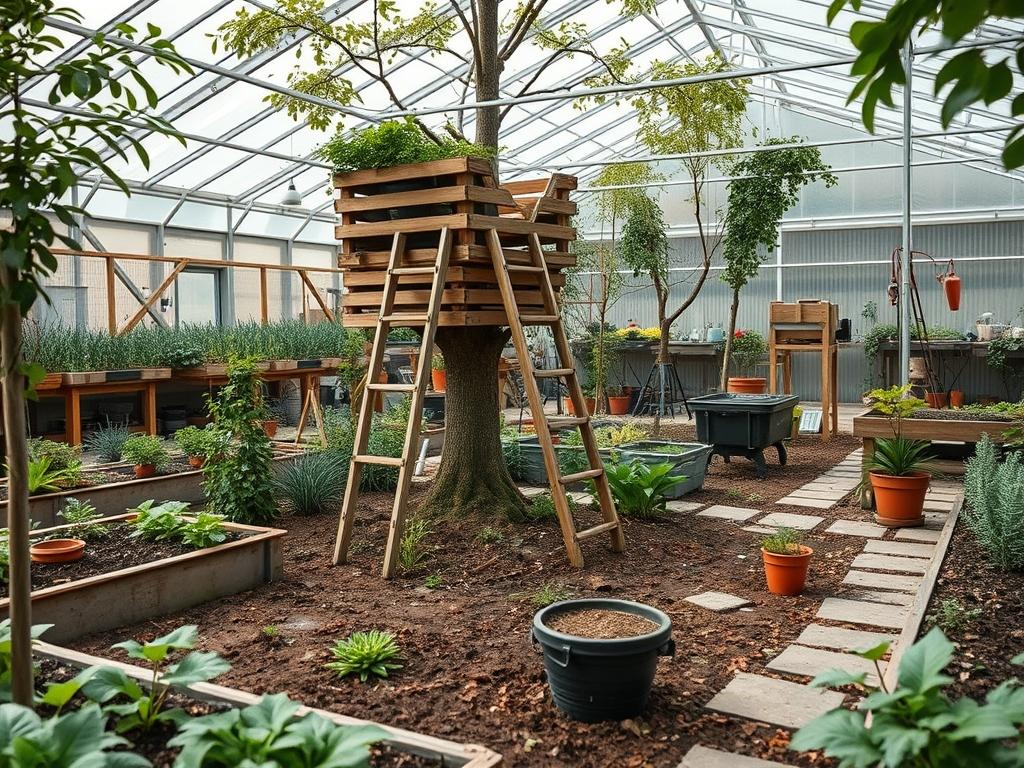
Designing a custom tree fort is significantly more than an exercise in carpentry; it is a sophisticated challenge in vertical landscape architecture. The transition from the forest floor to the canopy requires an access point that balances structural integrity with the health of the surrounding ecosystem. Integrating Backyard Tree Fort Ladders into a property demands a deep understanding of climate durability, soil stability, and the visual flow of the yard. A poorly conceived ladder often becomes a jarring eyesore or, more critically, a risk to both the climber and the tree. A well executed design, however, serves as a functional sculpture that complements the existing softscape. Practitioners must consider how the ladder interacts with the root flare, how it redirects foot traffic, and how the materials will weather over decades of exposure to the elements.
The primary landscape challenge involves managing the high-traffic zone at the base of the ladder. Frequent use leads to soil compaction, which can suffocate the roots of your host tree. To mitigate this, architects often design a dedicated landing pad using flagstone or permeable pavers to distribute weight. Furthermore, the aesthetic impact of the ladder must be weighed against the property’s curb appeal. A ladder should not look like a temporary attachment but rather a permanent feature that shares a design language with your retaining walls, decks, and fences. By prioritizing both outdoor functionality and the biological needs of the tree, homeowners can create a safe, beautiful, and sustainable retreat.
Landscape Design Principles
Effective design begins with the principle of elevation layers. In a professional landscape, we view the environment in three distinct planes: the ground cover, the eye-level shrubbery, and the overhead canopy. Backyard Tree Fort Ladders act as the physical bridge between these layers. To maintain visual balance, the scale of the ladder must be proportional to the diameter of the tree trunk. A thin, rickety ladder against a massive White Oak creates a sense of instability. Conversely, a bulky, wide staircase can overwhelm a younger specimen. Symmetry also plays a role. If the ladder is positioned on the north side, balancing the southern side with a climbing vine or a bird feeder station can restore focal harmony.
Safety and irrigation planning must happen concurrently. If your ladder landing sits directly over an irrigation zone, the increased moisture will accelerate wood rot and create a slippery surface. Professionals recommend a 5-foot clearance from the nearest sprinkler head. Additionally, the walk-up path should be a defined walkway that prevents visitors from trampling delicate perennials. By creating a winding path of decomposed granite or mulch leading to the ladder, you control the flow of movement, ensuring that the ladder remains a focal point rather than a source of landscape degradation.
Plant and Material Selection
Selecting the right materials for the ladder and the surrounding vegetation is vital for longevity. Use the following table to coordinate your landscape choices with the construction of your structure.
| Plant or Material | Sun Exposure | Soil Needs | Water Demand | Growth Speed | Maintenance Level |
| :— | :— | :— | :— | :— | :— |
| Western Red Cedar | N/A | N/A | N/A | N/A | Medium |
| Creeping Thyme | Full Sun | Sandy/Rocky | Low | Moderate | Low |
| Japanese Holly | Partial Shade | Acidic | Moderate | Slow | Medium |
| Manila Rope | N/A | N/A | N/A | N/A | High |
| Mexican Beach Pebbles | N/A | N/A | N/A | N/A | Very Low |
| Blue Star Creeper | Full/Partial | Loamy | Moderate | Fast | Low |
For the ladder itself, Western Red Cedar is the gold standard due to its natural resistance to decay and pests. If your design utilizes rope, Manila Rope provides the best grip and traditional aesthetic, though it requires annual inspection for fraying. Underneath the ladder, Mexican Beach Pebbles or impact-absorbing mulch should be used to provide a soft landing and excellent drainage.
Implementation Strategy
The first step in a professional layout is grading the area around the base of the tree. Many homeowners make the mistake of piling soil or mulch directly against the trunk, which leads to bark rot. Instead, grade the soil so that water drains away from the tree. Install a weed barrier and a layer of crushed stone to provide a firm foundation for the ladder feet. If you are building a fixed wooden ladder, the base should rest on small concrete pier blocks rather than directly on the dirt. This prevents the timber from wicking up moisture from the ground.
When anchoring the ladder to the tree, avoid girdling the trunk. Never wrap chains or tight wires around the tree as they will eventually choke the vascular system. Instead, use specialized tree fort bolts or TABs (Tree Attachment Bolts), which allow the tree to grow over the hardware without compromising its health. The ladder should be set at an angle between 60 and 75 degrees for the best balance of safety and space-saving. Once the structure is secure, apply a high-quality UV-resistant sealer to all wood surfaces. Finally, install edging around the base landing to keep your mulch or pea gravel contained within the high-traffic zone.
Common Landscaping Failures
One of the most frequent failures in backyard construction is improper drainage. If a ladder is placed at the bottom of a slope, water will pool at the base, leading to structural instability and a muddy mess. Installing a French drain can redirect this water elsewhere. Another common mistake is root overcrowding. When digging post holes for a ladder or fort support, homeowners often sever large lateral roots. If you encounter a root larger than 2 inches in diameter, it is best to shift your post location rather than cutting it.
Soil compaction is a silent killer of landscape trees. The constant treading of feet around Backyard Tree Fort Ladders packs the soil particles together, removing the air pockets necessary for root respiration. To prevent this, ensure that your landing pad is wide enough to catch all foot traffic, typically at least 3 feet by 3 feet. Lastly, many people fail to account for the growth of the tree. A ladder that fits perfectly this year may become tight and warped in five years if there is no room for the trunk to expand. Always leave a 2-inch gap between the ladder rails and the bark.
Seasonal Maintenance
Maintenance should be scheduled according to the seasons to ensure the safety of the ladder and the health of the landscape. In the spring, inspect all hardware for signs of rusting or loosening due to winter temperature fluctuations. This is also the time to apply a fresh 3-inch layer of mulch to the landing area to maintain impact absorption. During the summer, monitor the tree for signs of stress, such as yellowing leaves, which may indicate that the ladder installation has interfered with its hydration.
As autumn arrives, clear all fallen leaves and debris from the steps and the drainage grates. Wet leaves can make wooden rungs incredibly slick and promote the growth of moss and algae. If you notice green buildup, scrub the wood with a mixture of water and oxygen bleach. In winter, check for ice damage. If your ladder uses rope, it may be wise to remove and store it during the harshest months to prevent the fibers from becoming brittle. Throughout the year, use pruning shears to keep a clear path of at least 2 feet around the ladder to prevent branches from poking climbers.
Professional Landscaping FAQ
What is the best ground cover for a ladder landing?
Engineered Wood Fiber is the professional choice for safety. It provides excellent impact absorption and remains stable underfoot. Alternatively, Black Star Gravel offers a modern look with superior drainage, though it requires a sub-layer of foam for fall protection.
How do I stop my ladder from damaging the tree bark?
Place high-density rubber spacers between the ladder rails and the trunk. These buffers prevent the wood from rubbing against the bark during high winds, which protects the tree from infections and pests while allowing for slight natural movement.
Can I use pressure-treated lumber for the ladder?
Yes, but ensure it is rated for ground contact. Modern pressure-treated wood is safe for residential use, but many architects prefer Cedar or Redwood for their natural beauty and superior tactile feel under bare hands and feet.
How high can a ladder safely be?
For residential backyard use, a single ladder run should rarely exceed 10 feet. If the fort is higher, designers often include a mid-level landing platform to break up the climb and provide a resting point, which significantly increases safety.
How often should I restain the ladder?
In most climates, you should apply a penetrating oil stain every 2 to 3 years. This keeps the wood supple and prevents the graying caused by UV light. Always sand the rungs lightly before staining to maintain a slip-resistant texture.