
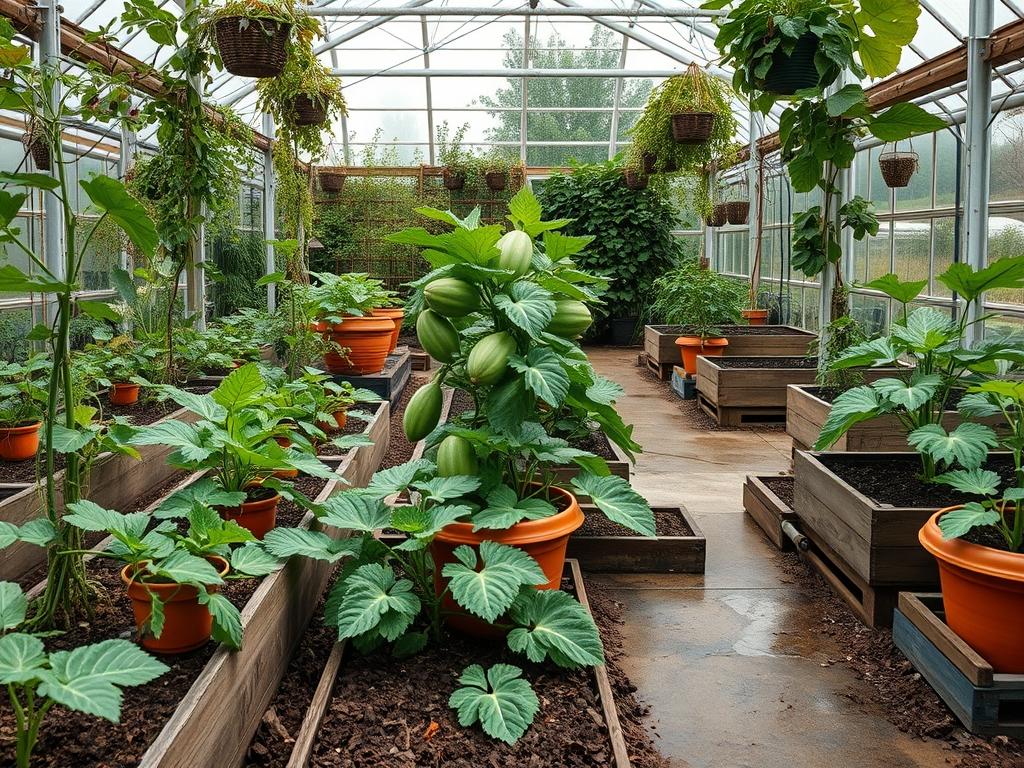
Vertical integration of sprawling cucurbits represents a sophisticated solution for modern outdoor environments where square footage remains at a premium. Melons, traditionally grown as ground-covering vines, often conflict with the desire for manicured turf or clean hardscape borders. By elevating these heavy producers, designers can enhance site airflow, mitigate fungal pathogens, and create architectural interest within the vegetable garden. A properly engineered trellis serves as more than just a support; it becomes a functional sculpture that defines the spatial boundaries of a landscape while maximizing solar exposure. From a landscape architect’s perspective, the transition from horizontal sprawl to vertical structure allows for a more controlled aesthetic, facilitating the use of high-end materials like Cedar, Powder-Coated Steel, and Galvanized Cattle Panels. This approach also addresses the fundamental challenge of site ergonomics by bringing the harvest to eye level, reducing the need for bending and minimizing the risk of fruit rot caused by soil contact.
Integrating Backyard Melon Trellis Ideas requires a deep understanding of site hydrology and microclimates. Melons are heavy feeders with high water requirements, yet their foliage is notoriously sensitive to humidity and standing water. Elevating the vines facilitates rapid drying after rain events or irrigation cycles, which is critical in preventing powdery mildew. Furthermore, the structural design must account for the substantial weight of the ripening fruit. A single Sugar Baby Watermelon or Cantaloupe vine can carry several pounds of weight, necessitating a design that prioritizes structural integrity over mere ornamentation. When planning these structures, consider how they interact with existing hardscape elements like Flagstone Walkways or Retaining Walls, ensuring that the trellis complements the overarching design language of the property while providing the necessary utility for a successful harvest.
Landscape Design Principles
In professional landscape design, a vertical trellis functions as a focal point that draws the eye upward, breaking the visual monotony of flat garden beds. Symmetry plays a vital role here; a pair of arched trellises flanking a central path creates a formal, inviting entrance to a kitchen garden. We often utilize the principle of elevation layers to create depth. By placing shorter crops like Bush Beans or Leafy Greens at the base of a melon trellis, we maximize the use of vertical space and create a lush, tiered appearance. This layering also helps in managing the thermal mass of the soil, as the foliage of the ground-level plants provides natural shade to help maintain consistent root temperatures during the heat of mid-summer.
Visual balance is achieved by matching the scale of the trellis to the surrounding environment. In a large estate, an oversized A-Frame Trellis constructed from 4×4 Pressure-Treated Posts provides the necessary presence to stand against a wide horizon. In smaller urban courtyards, a more delicate Espalier System using 12-gauge Stainless Steel Wire and eye bolts can be mounted directly to an existing fence or masonry wall. Irrigation planning is another critical design pillar. We integrate 1/2-inch Polyethylene Drip Tubing directly into the trellis structure, using 0.5 GPH Pressure-Compensating Emitters at the base of each plant. This ensures that water is delivered precisely to the root zone without wetting the leaves, which is essential for maintaining plant health in vertical systems.
Plant and Material Selection
Selecting the right cultivars and construction materials is the foundation of a durable and productive vertical garden. The following table outlines the specifications for common melon varieties suitable for trellising.
| Plant Type | Sun Exposure | Soil Needs | Water Demand | Growth Speed | Maintenance Level |
| :— | :— | :— | :— | :— | :— |
| Cantaloupe | Full Sun | Sandy Loam | High | Fast | Moderate |
| Sugar Baby Watermelon | Full Sun | Well-Drained | High | Medium | High |
| Honeydew | Full Sun | Rich Organic | Moderate | Fast | Moderate |
| Muskmelon | Full Sun | Loamy | High | Fast | High |
| Charentais | Full Sun | High Compost | Moderate | Medium | Moderate |
For the structural components, durability is paramount. We recommend using Western Red Cedar for its natural rot resistance and aesthetic warmth. For the infill where the vines will actually climb, 4-gauge Galvanized Steel Cattle Panels are the industry standard due to their rigidity and ability to support heavy loads without sagging. If a more contemporary look is desired, Black Powder-Coated Mesh provides a sleek, minimalist profile that disappears into the shadows, allowing the vibrant green of the melon foliage to take center stage.
Implementation Strategy
The execution of a high-quality melon trellis begins with site preparation and grading. A level base is essential to prevent the structure from leaning as it becomes heavy with fruit. Begin by excavating the area for your planting beds, ensuring that the soil is amended with at least 3 inches of Organic Compost. If the site has poor drainage, consider installing a French Drain or utilizing 4-inch Perforated Drain Pipe encased in 3/4-inch Clean Crushed Stone to divert excess water away from the root zones. Once the ground is prepared, the primary supports should be installed. For an Arched Trellis, we drive 6-foot T-Posts at least 18 inches into the ground to anchor the ends of the cattle panels.
After the primary structure is secure, the transition between the trellis and the surrounding landscape should be defined using Steel Edging or Belgium Block. This prevents turf grass from encroaching on the melon beds and creates a professional, finished look. A 3-inch layer of Double-Shredded Hardwood Mulch should be applied across the entire planting area to regulate soil moisture and suppress weeds. When the vines reach approximately 12 inches in length, they should be gently guided toward the mesh using Soft Plant Ties or Jute Twine. As the melons begin to set fruit, the most critical step in implementation is the creation of fruit supports. Using Nylon Netting or soft fabric scrap, create a “hammock” for each melon, tying the ends securely to the trellis wire to distribute the weight and prevent the vine from snapping.
Common Landscaping Failures
One of the most frequent mistakes in vertical melon gardening is the underestimation of the ultimate weight of the crop. A flimsy decorative trellis designed for morning glories will inevitably collapse under the weight of several 10-pound Watermelons. Structural failure often occurs at the connection points, so using 3-inch Galvanized Lag Bolts rather than simple nails is a mandatory requirement for safety and longevity. Another common failure is poor air circulation caused by improper spacing. Many gardeners plant too densely, leading to a tangled mass of foliage that traps humidity. We recommend a minimum spacing of 24 inches between plants to ensure that wind can move freely through the leaves, reducing the risk of disease.
Soil compaction is another silent killer in landscaped garden beds. Constant foot traffic around the base of the trellis during harvesting can compress the soil, suffocating the roots and hindering water penetration. To mitigate this, we always design the layout with dedicated Pathways made of Decomposed Granite or Stepping Stones. Furthermore, many homeowners fail to account for the nutrient demands of vertical plants. Because they are often grown in smaller, more defined spaces, they can quickly deplete the soil. A failure to implement a consistent liquid fertilization schedule using a Balanced 10-10-10 Fertilizer every two weeks will lead to stunted growth and poor fruit quality.
Seasonal Maintenance
Landscape management for a melon trellis varies significantly by season. In the Spring, the focus is on structural inspection and soil preparation. Check all bolts and anchors for signs of loosening or corrosion caused by winter freeze-thaw cycles. Apply a fresh layer of Compost and ensure that the irrigation system is free of leaks after being decommissioned for the winter. Summer is the period of peak activity, requiring daily monitoring of soil moisture levels. This is the time to manage the vine growth through selective pruning, removing non-fruiting lateral shoots to direct the plant’s energy toward the developing melons.
As Autumn approaches and the harvest concludes, sanitation becomes the priority. Remove all dead plant material from the trellis and dispose of it away from the garden to prevent pests from overwintering. It is often beneficial to wipe down the Steel Mesh with a diluted bleach solution to kill any lingering fungal spores. Finally, in Winter, the trellis offers a sculptural element in the dormant garden. If the structure is made of wood, this is the ideal time to apply a UV-Resistant Sealer or stain to protect it from the elements. By following this professional maintenance cycle, the trellis remains a durable and attractive feature of the landscape for many years.
Professional Landscaping FAQ
How do I prevent heavy melons from falling off the vine?
You must support each fruit individually using Nylon Netting or fabric slings. Tie these hammocks directly to the structural wire or frame to transfer the weight from the vine to the trellis itself, preventing breakage and premature dropping.
Can I use a wooden trellis for watermelons?
Yes, but it must be built from structural timber like 4×4 Cedar or Pressure-Treated Pine. Avoid thin lattice, as a mature watermelon vine can weigh over fifty pounds. Ensure all joints are secured with Heavy-Duty Wood Screws or bolts.
What is the best way to irrigate vertical melons?
A Drip Irrigation System is the professional choice. Lay 1/2-inch Mainline Tubing at the base and use emitters to deliver water directly to the root zone. This keeps the foliage dry, which is critical for preventing diseases like downy mildew.
Should I prune my melon vines on a trellis?
Pruning is highly recommended for vertical systems. Removing the “suckers” or side shoots helps maintain airflow and directs the plant’s energy toward producing larger, higher-quality fruit. Focus on the main leader and two or three healthy lateral vines.
How deep should I set the trellis posts?
For structural stability, posts should be set at least 24 inches deep. In areas with high winds or soft soil, consider using Quick-Set Concrete to anchor the posts, ensuring the trellis can withstand the lateral pressure of wind and heavy fruit.