
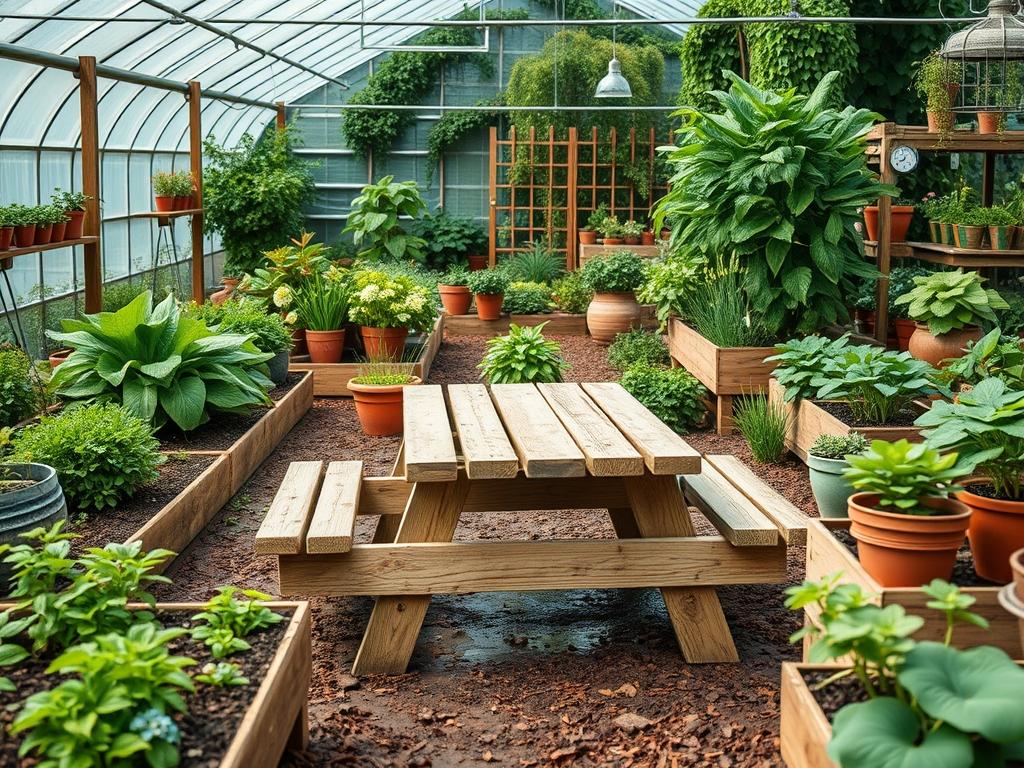
Integrating functional structures such as Backyard Kids Picnic Tables into a sophisticated residential landscape requires a delicate balance between utility and aesthetic cohesion. Many homeowners struggle with the perceived visual clutter that children’s amenities introduce to a curated backyard, yet these pieces serve as vital hubs for outdoor learning and social interaction. A well executed design treats the picnic table not as an afterthought, but as a formal site feature that respects the existing architectural lines of the home and the organic flow of the garden. The primary challenge involves selecting a location that offers both visibility for supervision and a sense of enclosure that makes the space feel like a dedicated outdoor room. We must consider the local climate, as the placement of wooden or recycled plastic furniture involves mitigating UV exposure and moisture retention. Proper site selection ensures that the table does not become a distraction from the property’s curb appeal, but rather a testament to thoughtful, multi-generational living.
Establishing a successful zone for Backyard Kids Picnic Tables begins with a thorough site analysis to evaluate the ground’s topography and solar orientation. In modern landscape architecture, we rely on specific design principles to anchor these elements within the larger environment, ensuring they do not appear to float aimlessly in a sea of turf.
Landscape Design Principles
The concept of spatial hierarchy is essential when styling a play area. By using Hedge Screens or Retaining Walls, a designer can create a “room within a room” that frames the picnic table. This provides a clear focal point while masking the occasional mess associated with children’s activities. Elevation layers are equally important. Placing a picnic table on a slightly raised Stone Plinth or a recessed Gravel Pit adds architectural interest and helps define the boundaries of the play zone. Symmetry plays a role in formal designs; for example, flanking a modern wooden table with two identical Large Planters creates a sense of order and intentionality.
Visual balance is achieved by matching the material of the table to other hardscape elements. If the main patio utilizes Blue Stone or Pavers, incorporating similar stone as a border around the kids’ area creates a unified look. Irrigation planning must not be overlooked. We must ensure that Sprinkler Heads are not directed at the furniture, as constant moisture will lead to wood rot or algae growth on composite materials. Furthermore, the inclusion of clear walkways made of Stepping Stones or Stabilized Decomposed Granite prevents the surrounding grass from being worn down by heavy foot traffic, maintaining the lush appearance of the lawn.
Plant and Material Selection
Choosing the right flora and ground cover is critical for both the longevity of the furniture and the safety of the users. The following table outlines hardy, non-toxic options that complement the styling of modern outdoor play spaces.
| Plant Type | Sun Exposure | Soil Needs | Water Demand | Growth Speed | Maintenance Level |
| :— | :— | :— | :— | :— | :— |
| Blue Fescue | Full Sun | Well-drained | Low | Moderate | Low |
| Creeping Thyme | Full Sun | Sandy/Loamy | Moderate | Fast | Minimal |
| Emerald Carpet Raspberry | Partial Shade | Rich/Moist | Medium | Moderate | Low |
| Dwarf Boxwood | Part Sun/Shade | Loamy | Medium | Slow | Moderate |
| English Lavender | Full Sun | Gritty/Alkaline | Low | Moderate | Prune Annually |
| Soft Touch Holly | Full Sun/Shade | Acidic | Medium | Slow | Low |
For the ground material beneath the table, we recommend Engineered Wood Fiber or Pea Gravel at a depth of 4 Inches. These materials provide excellent drainage and a soft landing surface. If a more modern, clean-lined aesthetic is desired, Synthetic Turf with a high-density pile offers a perennial green look that requires zero mowing and withstands the constant movement of chairs and little feet.
Implementation Strategy
The installation of a designated area for Backyard Kids Picnic Tables should follow a structured sequence to ensure structural integrity and proper drainage. First, the site must be cleared of all existing vegetation and excavated to a depth of 6 Inches below the final grade. Using a Spirit Level and a Laser Level, the sub-grade must be compacted and sloped at a 2 Percent grade away from the home’s foundation to prevent water pooling.
Once the area is leveled, a heavy-duty Geotextile Filter Fabric should be laid down to prevent soil migration and weed growth. For the border, choose Steel Edging or Pressure-Treated 4×4 Timbers to contain the chosen infill material. If you are installs a permanent table, consider anchoring it to a Concrete Pad or using Earth Anchors to prevent shifting during high winds. After the base layer of Crushed Stone or Road Base is compacted, the final decorative layer, such as River Rock or Mulch, is applied. The table should then be centered within the space, leaving at least 36 Inches of clearance on all sides to allow for comfortable movement and seating.
Common Landscaping Failures
One of the most frequent mistakes in backyard planning is ignoring the impact of shade and moisture. Placing a wooden table directly on a lawn leads to soil compaction and restricts oxygen to the grass roots, resulting in a dead zone beneath the furniture. Furthermore, poor drainage planning can turn a play area into a mud pit after a single rainstorm. Without a proper French Drain or a graduated gravel base, water will collect around the legs of the table, accelerating decay.
Another common failure is improper spacing and plant selection. Homeowners often plant fast-growing shrubs too close to the seating area. Within two seasons, these plants can overcrowd the table, making the space feel cramped and inviting insects. We also see many instances where Invasive Species are used for quick screening, only to have them take over the entire garden. Finally, failing to account for the “island effect,” where a table is placed in the middle of a vast lawn without any connecting paths or surrounding beds, makes the element feel disconnected from the overall landscape design.
Seasonal Maintenance
To preserve the appearance and safety of Backyard Kids Picnic Tables, a consistent maintenance schedule is required. In the spring, inspect the wood for splinters or cracks caused by winter freeze-thaw cycles. Apply a fresh coat of UV-Resistant Sealant or Outdoor Stain to protect against the intensifying summer sun. Check the depth of your mulch or gravel; these materials naturally decompose or migrate and typically need a 2 Inch top-off every spring.
During the summer months, keep a close eye on your irrigation system to ensure no zones are over-saturating the play area. During the autumn, it is vital to remove fallen leaves from the table surface and the surrounding ground cover immediately. Decaying leaves can stain wood and stone surfaces and create a slippery hazard on walkways. In the winter, if the table is made of lighter materials, it should be moved to a storage shed or covered with a Heavy-Duty Furniture Cover to prevent snow load damage. For fixed structures, ensure that any nearby Snow Removal does not result in salt or chemicals being piled onto the surrounding plant beds, as this will lead to root burn in the spring.
Professional Landscaping FAQ
How do I prevent weeds from growing under the picnic table?
Install a commercial-grade Weed Barrier beneath 4 Inches of compacted Pea Gravel or Mulch. This prevents seed germination while allowing water to penetrate the soil, ensuring the area remains clean and dry for children to use.
What is the best surface for a kids play area?
Engineered Wood Fiber is the gold standard for safety and drainage. However, for a modern look, Synthetic Turf or Decomposed Granite provided a stable, aesthetically pleasing base that complements high-end landscape designs without requiring significant upkeep.
How can I make the picnic table area look more integrated?
Use Structural Planting like Boxwood to create a formal border. Match the table material to your existing Decking or Pergola. Adding a Flagstone Path from the main patio creates a deliberate, professional connection.
Are there specific plants I should avoid near kids’ furniture?
Avoid plants with thorns like Barberry or toxic species such as Oleander and Foxglove. Instead, use sensory plants like Lavender or Creeping Thyme that are hardy, safe to touch, and provide a pleasant aroma.
How do I handle drainage on a sloped yard?
Install a Dry Creek Bed using River Rock to divert runoff around the picnic area. If the slope is significant, build a small Stone Retaining Wall to create a level terrace specifically for the table and seating zone.