
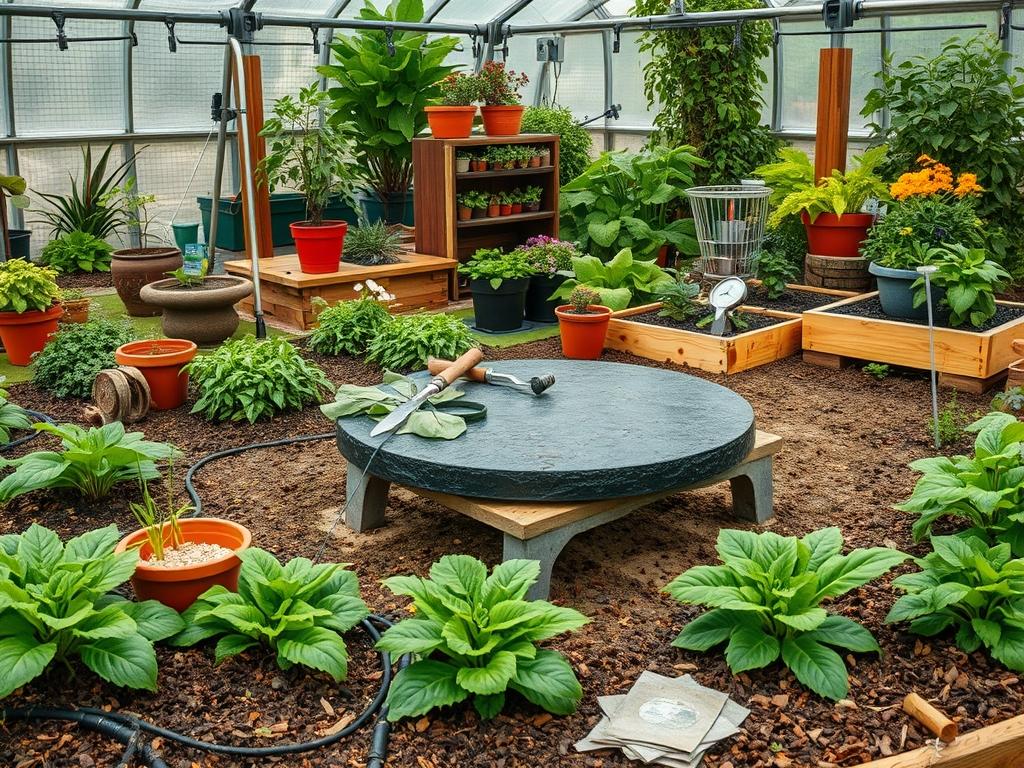
Designing a high-end outdoor living space requires a sophisticated understanding of how functional elements integrate with the natural environment. When an outdoor kitchen becomes a centerpiece of a residential landscape, the architectural focus shifts toward durability and material longevity. One of the most overlooked aspects of managing these gourmet spaces is the specific science of Backyard Pizza Stone Care. From a landscape architect’s perspective, a pizza stone is not just a cooking utensil; it is a porous, thermal mass that reacts constantly to its surrounding microclimate. If the backyard suffers from poor drainage or excessive humidity due to over-irrigated turf, the stone absorbs that ambient moisture. When high heat is eventually applied, that trapped water expands, leading to structural fissures or total material failure. Successful landscape integration means creating an environment where the stone remains dry, stable, and protected from the elements, ensuring the outdoor kitchen remains a permanent, high-value asset to the property’s curb appeal.
Landscape Design Principles
In the realm of professional site planning, the outdoor oven serves as a primary focal point. We utilize the principle of symmetry to frame the cooking station, often using retaining walls or stone pillars to create a sense of permanence. Visual balance is achieved by layering elevations; the oven should sit at an ergonomic height, typically 36 inches to 42 inches from the finished grade, while the surrounding landscape tapers down into social seating areas. This elevation change serves a dual purpose, as it naturally aids in surface water runoff, keeping the cooking area dry.
Irrigation planning is perhaps the most critical design constraint when considering the longevity of outdoor equipment. We utilize hydrozoning to ensure that high-velocity impact sprinklers are never situated near the hearth. Instead, drip irrigation lines should be buried at least 12 inches deep to provide localized hydration to nearby ornamental plants without introducing “overspray” to the oven area. Walkways composed of permeable pavers or natural flagstone should lead guests toward the kitchen, providing a stable, non-slip surface that resists the thermal expansion caused by the oven’s proximity. By managing the topography around the hearth, we prevent the “pooling effect” that often ruins sub-structures and compromises stone integrity.
Plant and Material Selection
Selecting the right biological and mineral components around an outdoor kitchen requires a balance of aesthetics and safety. The plants must be fire-resistant and low-debris to prevent ash or leaf litter from contaminating the cooking surface.
| Plant Type | Sun Exposure | Soil Needs | Water Demand | Growth Speed | Maintenance Level |
| :— | :— | :— | :— | :— | :— |
| Rosemary (Rosmarinus officinalis) | Full Sun | Well-drained, sandy | Low | Medium | Low |
| English Lavender (Lavandula angustifolia) | Full Sun | Gritty, alkaline | Very Low | Slow | Moderate |
| Boxwood (Buxus sempervirens) | Full to Partial Sun | Loamy, moist | Moderate | Slow | High (Pruning) |
| Creeping Thyme (Thymus serpyllum) | Full Sun | Poor to average | Low | Fast | Low |
| Dwarf Olive (Olea europaea ‘Little Ollie’) | Full Sun | Well-drained | Low | Slow | Low |
| Fescue Grass (Festuca) | Partial Shade | Clay or Loam | Moderate | Medium | Moderate |
Implementation Strategy
The successful execution of a backyard landscape starts with rigorous site preparation. For a kitchen area housing a pizza oven, the first step is professional grading. The ground must be sloped at a 2 percent grade away from the oven base to ensure that heavy rains do not saturate the foundation. Once the grade is established, we install a sub-base consisting of 4 inches of compacted crushed stone or 3/4-inch minus gravel. This provides a stable, non-shifting platform that prevents the oven from settling over time, which can cause the internal pizza stone to shift or crack.
After the hardscaping is set, we move to edging and mulching. Using steel edging or poured concrete curbs creates a clean boundary between the kitchen and the garden beds. For mulching, we recommend a 3 inch layer of hardwood mulch or decorative river rock. Avoid using lightweight wood chips near the oven, as they can be displaced by wind or catch stray embers. Proper Backyard Pizza Stone Care involves maintaining this clean perimeter; by keeping organic debris away from the oven mouth, you reduce the risk of pests and moisture-holding fungi inhabiting the stone area during the off-season.
Common Landscaping Failures
The most frequent failure we see in residential landscapes is improper drainage that leads to “rising damp.” When water pools at the base of a stone-clad oven, the masonry acts like a wick, drawing moisture upward into the cordierite or ceramic stone. This leads to the stone becoming “waterlogged,” a state that is invisible to the eye but catastrophic during the next firing. Another common error is root overcrowding. Planting large canopy trees too close to the kitchen results in root systems lifting the pavers or cracking the oven’s foundation within a few years.
Soil compaction is another silent killer of backyard aesthetics. High-traffic areas around the pizza oven often suffer from “foot-traffic shear,” where the soil becomes so dense that the surrounding plants suffocate. We mitigate this by installing stepping stones or stabilized decomposed granite in high-use zones. Lastly, irrigation inefficiencies, such as broken nozzles or poorly timed timers, can lead to localized humidity spikes. If the landscape remains perpetually wet, the pizza stone will never “cure” properly between uses, leading to a sour smell and poor crust quality.
Seasonal Maintenance
Landscape management is a year-round commitment that changes with the solar cycle. In the spring, the focus is on clearing the “winter build-up.” You should inspect the oven for any hairline fractures in the stone caused by the freeze-thaw cycle. Use a stiff-bristled brass brush to clear away any moss or lichen that may have attempted to grow on the exterior masonry. Ensure that the downspouts and drains are clear of debris to handle the inevitable spring rains.
During the summer, Backyard Pizza Stone Care revolves around heat management. On extremely humid days, allow the oven to “pre-dry” with a very small, low-temperature fire for 30 minutes before revving up to cooking temperatures. This slowly drives out any atmospheric moisture. In autumn, the priority is leaf management. Dry leaves are a fire hazard and can clog the oven’s ventilation. Finally, for winter protection, we recommend a heavy-duty waterproof cover for the entire oven structure. If your stones are removable, store them in a dry, temperature-controlled environment like a garage or basement. If the stone must stay outdoors, ensure it is completely dry before the first frost, as any internal moisture will expand when frozen, shattering the stone from the inside out.
Professional Landscaping FAQ
How does backyard drainage affect my pizza stone?
Poor drainage causes moisture to seep into the oven base through capillary action. This water eventually reaches the stone; causing it to crack or “explode” when the moisture turns to steam during high-heat cooking sessions.
What is the best material to place under an outdoor oven?
A reinforced concrete pad or a deep bed of compacted road base gravel is essential. These materials provide the necessary structural support to prevent the oven from tilting, which ensures the internal stone remains perfectly level.
Why should I avoid planting large trees near the cooking area?
Large trees drop leaves, sap, and debris that can contaminate the stone. More importantly, their massive root systems can travel under the kitchen’s foundation, causing the ground to heave and the stone masonry to crack.
Can I clean my pizza stone with a garden hose?
Never use a hose or soap on a pizza stone. The porous material will absorb the water and chemicals. Use a dry scraper or stone brush only; then rely on high-heat “pyrolysis” to burn off any remaining food residue.
What is the most fire-safe mulch for a kitchen perimeter?
Decorative river rock, pea gravel, or lava rock are the safest choices. These inorganic materials do not burn and provide excellent drainage; helping to keep the area around the stone dry and free of combustible organic matter.