
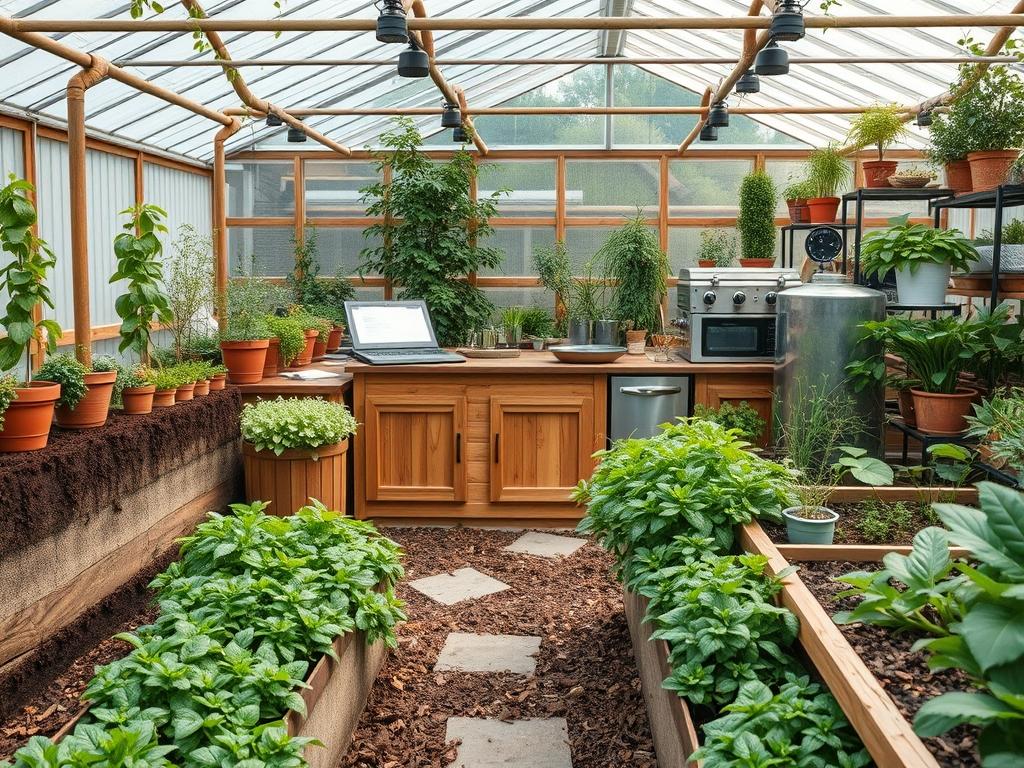
Designing Backyard Outdoor Kitchen Bars requires a sophisticated understanding of both architectural utility and botanical synergy. It is more than an aesthetic upgrade; it is a complex intersection of civil engineering, horticulture, and social ergonomics. When we approach a site for such an installation, we must first analyze the interplay between the hardscape structures and the existing microclimate. Winds can carry smoke toward guests, sun can overheat metal countertops, and improper drainage can lead to structural shifting. The goal is to create a seamless transition where the site functionality enhances the curb appeal, ensuring that the bar serves as a natural extension of the home interior. A successful design balances the permanence of Natural Stone and Stainless Steel with the organic fluidity of the surrounding garden, creating a space that feels grounded yet open to the sky.
Landscape Design Principles
Structural symmetry serves as the foundation for high end Backyard Outdoor Kitchen Bars. We often utilize the concept of visual weight to ensure the bar does not overwhelm the garden. If the bar is constructed from heavy Granite or Stacked Stone, it must be balanced by elevation layers or large scale plantings on the opposite side of the patio. Focal points are equally crucial. A well placed Outdoor Pizza Oven or a bespoke fire feature can draw the eye through the landscape, encouraging movement. We recommend planning the kitchen layout using the “work triangle” principle, which positions the prep area, cooking surface, and cold storage in a way that minimizes unnecessary steps, though in an outdoor setting, we expand this to include the “social arc” of the bar seating.
Elevation changes add a professional dimension to the design. By using Retaining Walls to create a multi tiered environment, you can separate the high activity cooking zone from the relaxed dining area. This physical separation help manages guest flow while providing built in seating options. Irrigation planning must happen concurrently with the hardscape layout. We bury PVC pipes and specialized electrical conduits beneath the Base Rock layer before any Pavers are laid. This forward thinking prevents the need to deconstruct the patio for future utility repairs. Finally, walkways should be at least 36 inches wide to allow for comfortable passage, utilizing materials like Flagstone or Decomposed Granite to guide visitors toward the bar area without trampling the delicate root zones of nearby flora.
Plant and Material Selection
Choosing the right vegetation is critical for maintaining a clean and inviting atmosphere around Backyard Outdoor Kitchen Bars. We prioritize non shedding, non invasive species to prevent debris from landing in food preparation areas.
| Plant Type | Sun Exposure | Soil Needs | Water Demand | Growth Speed | Maintenance Level |
| :— | :— | :— | :— | :— | :— |
| Rosemary | Full Sun | Sandy, Well-drained | Low | Moderate | Low |
| Emerald Green Arborvitae | Full Sun to Partial | Loamy | Medium | Moderate | Low |
| Creeping Thyme | Full Sun | Poor to Average | Low | Fast | Low |
| Dwarf Fountain Grass | Full Sun | Versatile | Low | Fast | Moderate |
| Japanese Maple | Partial Shade | Rich, Acidic | Medium | Slow | Moderate |
| Lavender | Full Sun | Alkaline, Gritty | Low | Moderate | Low |
In addition to plants, material selection dictates the longevity of the space. For countertops, we suggest Honed Granite over polished surfaces to reduce glare from the midday sun. For the cabinetry, Marine Grade Polymer or Ipe Wood offers exceptional resistance to moisture and UV degradation. We often use Concrete Pavers for the flooring because they are durable and can be easily replaced if stained by grease or wine.
Implementation Strategy
The implementation process begins with a meticulous site grade. A professional landscape architect uses a Laser Level to ensure the ground slopes away from the home and the outdoor bar at a rate of at least 1 inch for every 10 feet. This prevents water from pooling around the foundation of the bar. Once the grade is established, we excavate to a depth of 8 to 12 inches to accommodate the sub base. This base usually consists of Class 2 Permeable Rock, which is compacted in 2 inch increments using a Plate Compactor.
After the base is set, we install the utility lines. Gas lines and electrical wires for LED Task Lighting and Under-Counter Refrigerators must be encased in protective sleeves. We then lay the Geotextile Fabric to prevent soil migration into the stone base. The hardscape reflects the design, with Mortarless Wall Blocks or Poured Concrete forming the bar structure. Edging is mandatory to keep the Pavers from shifting. We prefer Aluminum Edging or Plastic Paver Restraints secured with 10 inch Spikes. Once the stones are set, Polymeric Sand is swept into the joints and misted with water to create a flexible, weed resistant seal. Finally, we apply a 3 inch layer of Hardwood Mulch to the surrounding garden beds to retain moisture and suppress weeds near the new construction.
Common Landscaping Failures
The most frequent failure in designing Backyard Outdoor Kitchen Bars is inadequate drainage. When water collects at the base of a heavy bar structure, it can cause the soil to subside, leading to cracked countertops and misaligned appliances. Another common mistake is root overcrowding. Planting large trees like Oaks or Maples too close to the bar foundation will eventually result in upheaved stone and broken utility lines as the root systems expand.
Improper spacing of appliances is also a major pitfall. A grill requires at least 12 inches of clearance from combustible materials on all sides. We also see many DIY projects fail due to soil compaction. If the soil in the planting beds is not aerated after heavy machinery has been on site, the new plants will suffocate and die within the first season. Lastly, irrigation inefficiencies occur when homeowners use standard spray heads near the bar. The overspray can damage Stainless Steel finishes and lead to mineral deposits on the stone surfaces. We always advocate for Drip Irrigation systems in these zones to deliver water directly to the plant roots without affecting the kitchen.
Seasonal Maintenance
Spring maintenance involves a thorough inspection of the hardscape. We check for shifting after the winter freeze and thaw cycles. It is also the time to apply a new sealer to Natural Stone counters and to clear any debris from the Drainage Grates. Summer focus shifts to irrigation management. We increase the frequency of the Drip System during heatwaves and prune Lavender or Rosemary to keep the fragrance fresh near the seating area.
In the autumn, the priority is leaf management. Debris left on Pavers can cause permanent organic staining. We also recommend cleaning the grill and bar surfaces one last time before the temperature drops. Winter prep is arguably the most important for Backyard Outdoor Kitchen Bars. You must shut off the water supply to the outdoor sink and blow out the lines using an Air Compressor to prevent burst pipes. Cover the Stainless Steel appliances with fitted, breathable covers to protect them from snow and ice, and ensure that any delicate potted plants are moved to a sheltered area.
Professional Landscaping FAQ
How much clearance is needed between the bar and the house?
Maintain a minimum of 10 feet between the grill and any combustible house siding. This distance ensures smoke does not enter the home and reduces fire risks while allowing for comfortable traffic flow between the indoor and outdoor spaces.
What is the best material for an outdoor bar countertop?
Honed Granite is the industry standard due to its heat resistance and durability. Unlike marble, it resists staining from acidic foods. Avoid polished finishes as they reflect intense sunlight, which can be blinding for guests sitting at the bar.
Do I need a formal drainage system for my outdoor kitchen?
Yes, especially if the bar includes a sink. A French Drain or a dedicated Dry Well prevents wastewater and runoff from saturating your lawn. Proper grading alone is rarely enough for the heavy water volume of a functional kitchen.
Which plants provide the best privacy for a bar area?
Emerald Green Arborvitae or Spartan Juniper are excellent choices for year round screening. They grow vertically without taking up excessive horizontal space, creating a living wall that buffers wind and noise while providing a lush, green backdrop for your guests.
How do I prevent weeds from growing in my paver patio?
Use Polymeric Sand during the initial installation. This specialized sand hardens when dampened, creating a semi permanent bond between the stones. Combined with a Geotextile Fabric underlayment, it significantly reduces the ability for weed seeds to take root in the joints.