
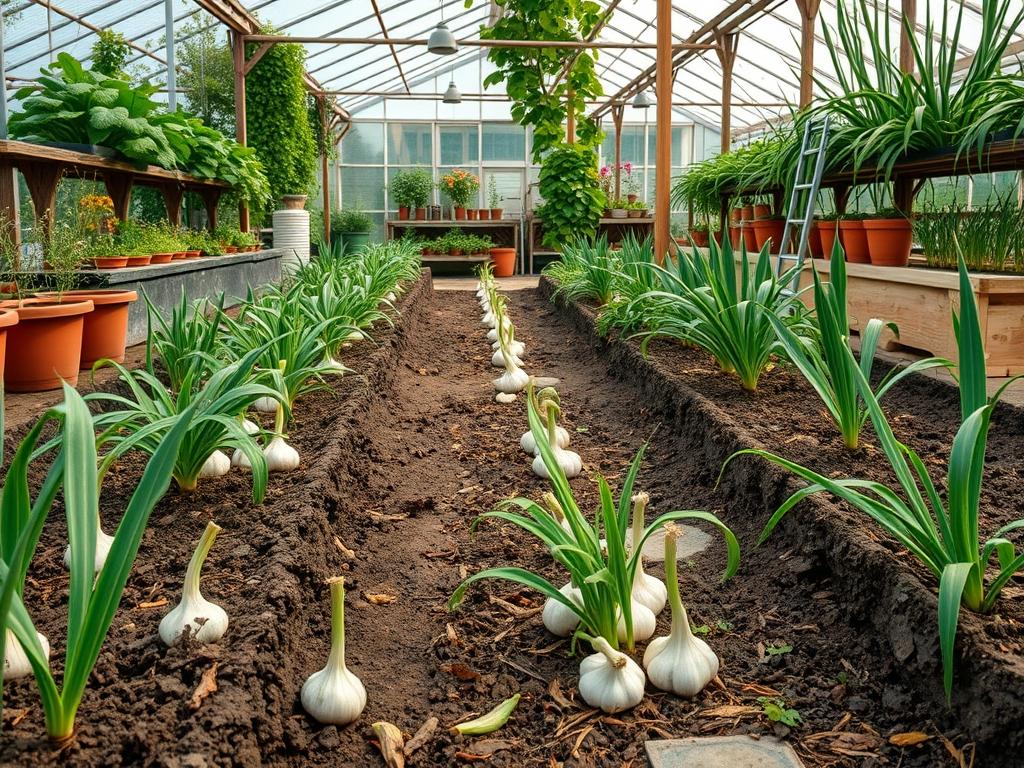
Integrating a functional harvest cycle into a sophisticated outdoor environment requires more than just a patch of dirt and a few seeds. For the modern homeowner, the challenge lies in balancing the rugged utility of agricultural production with the polished aesthetics of local curb appeal. When we consider professional backyard garlic storage tips, we are not merely discussing how to hang a few bulbs in a garage. We are architecting a seamless transition from the active growth phase to the crucial curing and preservation period within a managed landscape. A well-designed garden must account for the physical footprint of curing structures, the environmental demands of moisture control, and the visual flow of the property. The goal is to ensure that your storage solution enhances rather than detracts from the outdoor living experience. This requires a deep understanding of microclimates, site orientation, and the structural integrity of the outbuildings or specialized zones used for long term preservation.
To achieve success, one must view the backyard as a series of zones. The production zone, where the Allium sativum flourishes, must be separated from the curing zone to prevent soil pathogens from interfering with the drying process. However, these zones must be linked by high quality walkways and logical transitions. By applying landscape architecture principles to these utility areas, we can create a space that is as beautiful as it is productive. Proper storage begins in the field, where the soil is graded to prevent water pooling around the bulbs. Once harvested, the garlic requires a sheltered, shaded, and highly ventilated environment. This is where the landscape architect intervenes, designing custom structures like ventilated pergolas, louvered sheds, or specialized drying racks that utilize natural wind patterns to facilitate the curing process.
Landscape Design Principles
Successful backyard storage starts with a master plan that emphasizes symmetry and focal points. A curing shed should not be hidden away as an eyesore; instead, it can serve as a secondary focal point at the end of a primary garden axis. By using materials that match the main residence, such as stone veneer or cedar siding, the utility structure becomes an intentional part of the landscape. Elevation layers are also vital. We often design raised platforms for garlic storage to take advantage of higher wind speeds and to keep the harvest away from ground level moisture. This verticality adds visual interest to a flat yard and separates the “work” of the garden from the “leisure” of the patio.
Irrigation planning must be precise to ensure that the garlic reaches its full potential before it ever enters storage. Excess water in the final weeks before harvest can lead to bulb rot and poor storage longevity. Therefore, we utilize drip irrigation systems that can be zoned independently. Walkways should be constructed from porous materials like decomposed granite or permeable pavers to ensure that access to the storage area remains clean and dry even during the height of the summer harvest. Visual balance is maintained by surrounding these functional areas with ornamental grasses or native shrubs that provide a soft screen without blocking essential airflow.
Plant and Material Selection
| Plant or Material | Sun Exposure | Soil Needs | Water Demand | Growth Speed | Maintenance Level |
| :— | :— | :— | :— | :— | :— |
| Hardneck Garlic | Full Sun | Well-drained Sandy Loam | Moderate to Low | Slow | Medium |
| Softneck Garlic | Full Sun | Rich Organic Loam | Moderate | Moderate | Low |
| Cedar Wood (Storage Racks) | N/A | N/A | N/A | N/A | Low (Naturally Rot Resistant) |
| Pea Gravel (Foundation) | N/A | N/A | N/A | N/A | Low |
| Native Switchgrass | Full to Partial Sun | Adaptable | Low | Fast | Very Low |
| Galvanized Wire Mesh | N/A | N/A | N/A | N/A | Zero |
Implementation Strategy
Developing a robust storage environment requires a step by step approach to site preparation. First, the site must be graded to a 2 percent slope to ensure that surface water moves away from the storage foundation. We recommend a base of 4 inches of compacted gravel topped with a layer of landscape fabric to suppress weeds and prevent soil contact with the curing bulbs. Edging the storage area with steel headers or pressure treated timbers creates a clean boundary between the utility zone and the surrounding lawn.
Once the foundation is set, the construction of the curing racks begins. Use 2×4 cedar boards to build frame units that are at least 12 inches off the ground. Stretching 1/2 inch galvanized hardware cloth across these frames creates the ideal surface for bulbs to rest. This allows air to circulate entirely around each head of garlic. If building a dedicated shed, incorporate louvered vents on opposite walls to create a cross breeze. The roof should have a minimum 12 inch overhang to protect the drying harvest from sudden rain showers. Finally, apply a 3 inch layer of wood chip mulch around the perimeter to stabilize soil temperature and reduce dust near the storage racks.
Common Landscaping Failures
The most frequent error in backyard garlic storage planning is poor drainage. If the storage structure is located at the bottom of a slope, humidity will rise from the saturated earth and cause the garlic to mold. Professionals often use French drains or catch basins to redirect water away from these sensitive areas. Another failure is root overcrowding in the production beds. When plants are spaced closer than 6 inches apart, they compete for nutrients and produce smaller bulbs with thinner skins, which do not store well.
Soil compaction is a silent killer of garden productivity. Heavy foot traffic near the storage zone can compress the earth, destroying the pore space necessary for healthy root development in future seasons. We mitigate this by installing flagstone stepping stones or timber walkways to direct traffic. Finally, irrigation inefficiencies, such as overhead sprinklers that wet the foliage and bulb necks late in the season, can introduce fungal pathogens that ruin an entire harvest during the storage phase. Switching to a timed subsurface irrigation system is the professional standard for high quality yields.
Seasonal Maintenance
Spring is the time for site inspection and soil preparation. As the garlic begins its rapid growth phase, the architect ensures that the mulch layers are intact and that the irrigation emitters are functioning without leaks. This is also the window to clean the storage racks with a 10 percent bleach solution to kill any lingering spores from the previous year. Summer brings the harvest, requiring daily monitoring of the curing zone. During this time, the focus shifts to airflow management, ensuring that no debris blocks the vents of the storage structure.
Autumn is the season for transition. As the cured garlic is moved to its permanent indoor location or sold, the outdoor storage racks should be inspected for structural integrity. This is the ideal time to reapply wood sealer to any exposed timber. Finally, winter involves protecting the site. If you have planted a new crop for next year, a thick 4 to 6 inch layer of straw mulch is necessary to prevent frost heaving. Clearing snow away from storage outbuildings prevents moisture from seeping into the wooden frames, ensuring that the infrastructure remains ready for the following year.
Professional Landscaping FAQ
What is the best material for garlic storage racks?
Cedar or redwood are the premier choices due to their natural resistance to rot and insects. Using galvanized wire mesh for the shelving ensures maximum airflow, which is critical for preventing mold during the initial curing phase.
How can I hide a garlic curing shed?
Integrate the structure into the landscape using latticework or trellises planted with non-invasive climbers like clematis. Ensure the plants do not block the louvered vents, as airflow must remain the priority for successful backyard garlic storage.
Does mulch depth affect garlic storage quality?
Yes, maintaining a 3 inch mulch depth in the growing area prevents soil splashing onto the bulbs. Clean bulbs are less likely to carry soil-borne pathogens into the storage zone, leading to a much longer shelf life.
Is grading really necessary for a small garden?
A 2 percent grade is essential regardless of size. Proper slope prevents water from pooling around the base of the plants and the storage structure, protecting the structural timber and the health of the Allium bulbs themselves.
How do I choose the right spot for storage?
Select a high point in your yard that receives a consistent cross breeze but is protected from direct sunlight. The area should be accessible via a hardscape path to ensure ease of movement during the busy harvest season.