
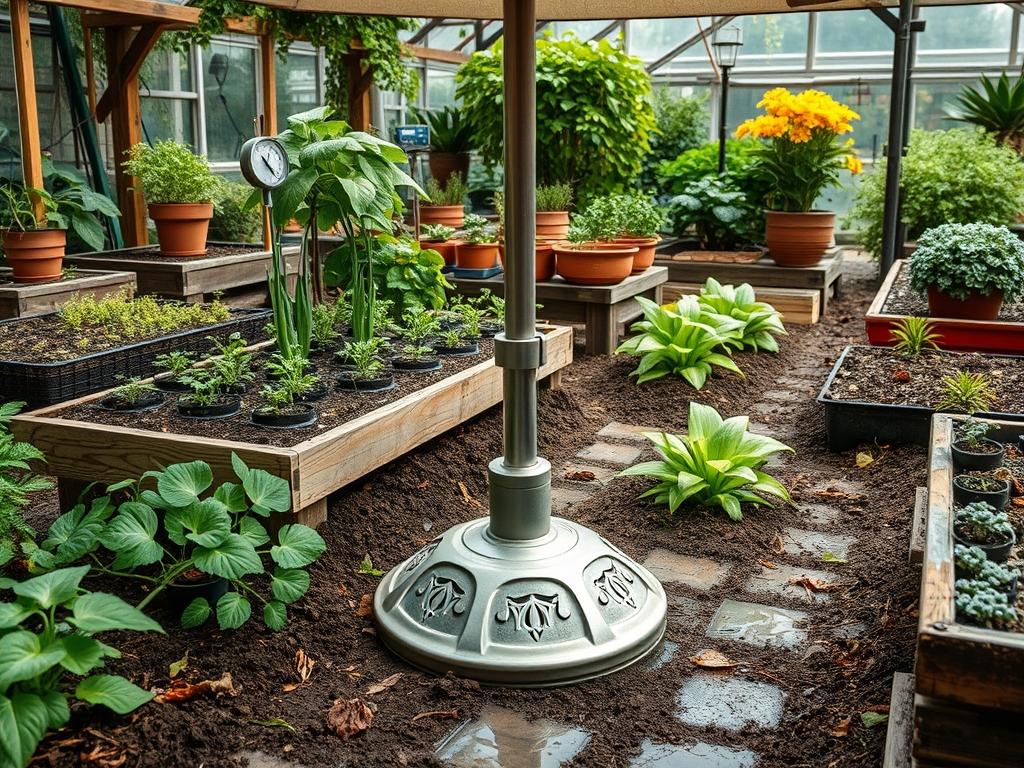
Creating a functional and aesthetically pleasing outdoor living space requires more than just high-quality furniture and vibrant greenery. It demands a structural understanding of how various elements interact with the local environment. When designing a patio or deck, the architectural focus often falls on large-scale features like pergolas or built-in kitchens, yet the safety and longevity of these spaces frequently depend on smaller, critical components. Selecting the correct Backyard Umbrella Base Weights is a fundamental task that bridges the gap between high-end landscape design and practical engineering. A misplaced or underweight umbrella becomes a significant liability during sudden wind gusts, potentially damaging expensive hardscaping or nearby plantings. As a landscape architect, I view the umbrella base not merely as a functional anchor but as a piece of the site’s overall ballast plan. Every element in the garden, from the retaining walls to the dining canopy, must be scaled to the micro-climate of the property. Factors such as wind tunnels created by house positioning, the elevation of the deck, and the proximity to open water dictate the necessary heft of your equipment.
Landscape Design Principles
Successful landscape design relies on the intentional application of symmetry and visual balance to guide the eye and movement through a space. When integrating large sun-shading devices, the base serves as a hidden focal point that must harmonize with the surrounding materials. We often use the concept of elevation layers to ensure the backyard feels expansive yet intimate. This involves placing taller elements, like offset umbrellas, in areas where they provide a vertical counterpoint to low-slung lounge seating. However, a large canopy requires a substantial anchor. For a 10-foot cantilever umbrella, a weight of at least 200 lbs is often required to ensure stability.
Symmetry is another core principle. If you are placing two umbrellas flanking a pool, the bases must be identical in footprint and material to maintain a cohesive look. We also consider the transition between hardscaping and softscaping. A heavy granite base or a powder-coated steel plate provides a clean transition when placed atop bluestone pavers or decomposed granite. Proper irrigation planning is also vital here; ensure that heavy base weights do not sit directly over subsurface irrigation lines or delicate drainage pipes, as the concentrated pressure can lead to pipe deformation or soil compaction over time. By aligning the utility of the umbrella with the geometric layout of the walkways, you create a space that feels engineered rather than merely assembled.
Plant and Material Selection
The following table outlines plants that thrive in the micro-climates created by large umbrellas and the materials typically used for high-quality bases.
| Plant or Material Type | Sun Exposure | Soil / Composition | Water / Durability | Growth / Weight | Maintenance Level |
| :— | :— | :— | :— | :— | :— |
| Hosta (Forbidden Fruit) | Partial to Deep Shade | Rich, Loamy | High Water Demand | Moderate Growth | Low Maintenance |
| Japanese Maple | Filtered Sunlight | Well-drained, Acidic | Consistent Moisture | Slow Growth | Medium Maintenance |
| Boxwood (Winter Gem) | Full Sun to Shade | Neutral pH | Drought Tolerant | Slow Growth | High Trimming |
| Cast Iron Base | N/A | Solid Metal | High Rust Risk | 50 – 125 lbs | Medium (Requires Sealing) |
| Resin Shell (Sand Fill) | N/A | HDPE Plastic | UV Resistant | Up to 250 lbs | Very Low |
| Granite Slab Base | N/A | Natural Stone | Weatherproof | 100 – 150 lbs | Low (Heavy to move) |
When selecting plants to sit near your outdoor dining area, consider species that tolerate the shifting shadows cast by an umbrella. Hydrangeas are excellent for these zones as they appreciate the afternoon relief from harsh rays. Similarly, the choice of material for your Backyard Umbrella Base Weights should be dictated by the local climate. In coastal environments, stainless steel or high-density polyethylene is preferable to avoid the corrosive effects of salt air.
Implementation Strategy
The installation of a stable outdoor environment begins with careful site grading. Before placing heavy furniture or umbrellas, the ground must be perfectly level to prevent the center of gravity from shifting. For patio installations, we recommend a sub-base of 4 inches of compacted crushed limestone topped with 1 inch of bedding sand. This provides a rigid foundation for pavers that can support the concentrated load of a 150-pound umbrella stand.
If you are placing an umbrella in a garden bed or on a lawn, do not place the base directly on the soil. The weight will cause the stand to sink, leading to tilt and eventual collapse. Instead, excavate a small area and install a 12-inch by 12-inch concrete stepping stone at ground level. This creates a stable, flat surface for the base while keeping it hidden within the landscape. For cantilever umbrellas, which have a much higher wind-load profile, consider using a bolt-down mounting plate directly into a concrete footing. This footing should be at least 24 inches deep to get below the frost line and provide enough mass to counteract the leverage of the umbrella arm. Finally, apply a 2-inch layer of hardwood mulch around the perimeter of the base to help integrate the hardware into the natural surroundings and retain moisture for nearby plantings.
Common Landscaping Failures
One of the most frequent mistakes in outdoor planning is the failure to account for drainage when placing heavy objects. If a large, flat umbrella base is placed on a poorly graded surface, it can trap water against the pavers, leading to efflorescence or the growth of slippery moss. Always ensure a 1-percent to 2-percent slope away from the home and seating areas.
Another technical failure involves improper weight-to-canopy ratios. A common rule of thumb is to use 10 lbs of weight for every foot of umbrella diameter for table-supported models, and significantly more for freestanding units. Using an undersized base leads to a “sail effect” where even a 15 mph breeze can transform a patio table into a projectile. Furthermore, root overcrowding occurs when heavy bases are placed too close to the dripline of young trees. The weight of a 200-pound sand-filled base can compact the soil, depriving tree roots of essential oxygen and slowing their growth. Lastly, avoid mixing incompatible metals; for example, a carbon steel bolt used on an aluminum umbrella pole will cause galvanic corrosion, eventually seizing the hardware and making it impossible to disassemble for the winter.
Seasonal Maintenance
Landscape management is a year-round commitment that changes with the light and temperature. In the spring, inspect your Backyard Umbrella Base Weights for any hairline cracks that may have formed during winter freeze-thaw cycles. Tighten the tension knobs and apply a light coat of silicone spray to any moving parts to prevent oxidation. During the peak of summer, check for UV degradation on resin-based weights; if the material feels brittle or looks chalky, it may be time for a replacement.
As autumn arrives and wind speeds typically increase, ensure the umbrella is closed and secured with a velcro strap when not in active use. This reduces the surface area vulnerable to gusts. In the winter, it is best practice to move heavy bases to a sheltered area if they are water-filled, as expanding ice can easily rupture even the thickest plastic shells. If the weights are made of solid stone or cast iron, cover them with a waterproof furniture shroud to prevent moisture from pooling in the center pipe, which can lead to interior rusting and structural failure of the main support.
Professional Landscaping FAQ
How much weight do I need for a 9-foot freestanding umbrella?
For a freestanding 9-foot umbrella, you should use a minimum of 80 to 100 lbs. If the area experiences frequent wind, increase this to 120 lbs to ensure the center of gravity remains low and stable.
Can I use water to fill my umbrella base instead of sand?
Water is convenient but less dense than sand. A base filled with water weighs about 30 percent less than one filled with wet sand. For maximum stability in high-wind zones, a mixture of sand and water provides the highest density.
Will a heavy base damage my wooden deck?
Heavy bases can leave permanent indentations or cause rot by trapping moisture against the wood. Use deck protectors or a base with rubber feet to allow airflow and distribute the weight across multiple joists to prevent structural bowing.
How do I prevent my cast iron base from staining my patio?
Cast iron will eventually rust and leave orange rings on stone. To prevent this, apply a clear coat of rust-preventative spray annually and ensure the base has nylon glides to keep the metal from touching the pavers directly.
What is the best way to secure an umbrella on a sloped yard?
Never use a standard weighted base on a slope exceeding 3 degrees. Instead, install a permanent sleeve into a concrete footing that is poured level with the horizon, ensuring the umbrella pole remains perfectly vertical regardless of the ground’s incline.