
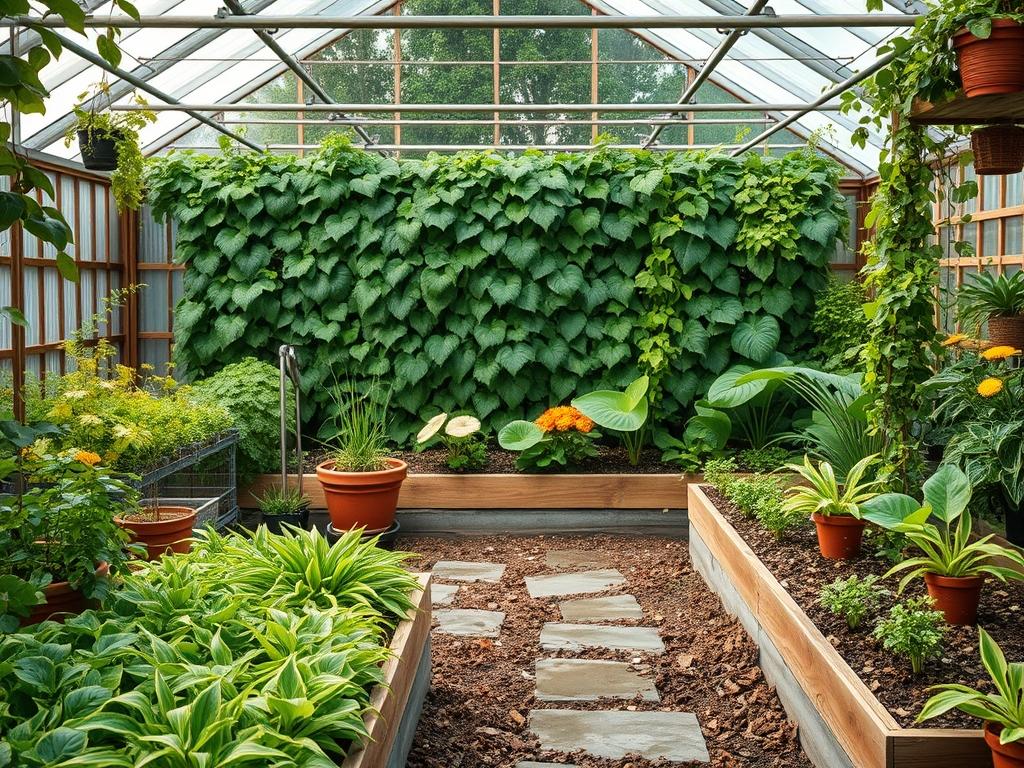
Achieving true seclusion in a modern residential setting often presents a significant architectural challenge. While homeowners desire a lush, green sanctuary, the reality of local climate conditions, narrow property lines, and the slow growth rates of traditional climbing vines can make natural screening difficult to realize. Backyard Faux Ivy Privacy systems have emerged as a sophisticated solution for those who require immediate results without the intensive water requirements or structural damage risks associated with invasive living species. From a landscape design perspective, these panels provide a consistent texture and color that anchor the perimeter of an outdoor living space. Such installations serve as a backdrop for more complex botanical layers, allowing the designer to focus on focal points and elevation changes rather than waiting years for a hedge to mature.
Effective site planning requires a deep understanding of the existing environment. When we approach a backyard redesign, we must consider the cardinal orientation of the fence line and how the sun interacts with the space throughout the day. Although faux materials do not require sunlight for survival, their placement affects the longevity of the polymers and the thermal comfort of the patio. A well executed privacy screen does more than just block the neighbors; it acts as a wind buffer and a noise dampener, creating a microclimate that feels significantly more’ private and temperate. By integrating these synthetic elements with high quality hardscaping and strategic irrigation, a property owner can enhance curb appeal while significantly reducing the long term maintenance burden typically associated with vertical gardening.
Landscape Design Principles
In professional landscape architecture, we prioritize the concept of aesthetic cohesion. When installing Backyard Faux Ivy Privacy, it is essential to adhere to the principle of symmetry and visual balance. If one side of a deck is heavily weighted with a tall green wall, the opposite side should feature a counterweight, such as a large Planter Box or a unique architectural tree. This prevents the space from feeling lopsided. Focal points remain crucial; a green wall should never be the only thing to look at. Instead, use it as a canvas to highlight a piece of sculpture, a water feature, or a high end outdoor kitchen.
Elevation and layering are what differentiate a DIY project from a professional installation. We recommend installing the ivy panels on a vertical plane while transitioning to the horizontal ground plane using a series of tiered plantings. By placing lower-growing shrubs or ornamental grasses at the base of the faux wall, you mask the hard transition between the fence and the ground. This creates the illusion that the ivy is emerging naturally from the soil. Furthermore, perspective and walkways must be considered. Ensure that the placement of your privacy screens does not create a “tunnel effect” in narrow side yards. Instead, break up long stretches of ivy with different materials like Cedar Slats or Natural Stone to provide visual rest.
Plant and Material Selection
The success of a mixed-media garden depends on selecting the right living companions for your synthetic backdrop. Below is a selection of plants that pair effectively with faux ivy systems to enhance realism and biodiversity.
| Plant Type | Sun Exposure | Soil Needs | Water Demand | Growth Speed | Maintenance |
| :— | :— | :— | :— | :— | :— |
| Boxwood Hedge | Full Sun to Shade | Well-Drained | Moderate | Slow | Medium |
| Japanese Forest Grass | Partial Shade | Moist, Rich | High | Moderate | Low |
| Liriope (Lilyturf) | Full Sun to Shade | Adaptable | Low | Moderate | Very Low |
| Silver Falls Dichondra | Full Sun | Sandy, Loamy | Low | Fast | Low |
| Dwarf Fountain Grass | Full Sun | Well-Drained | Low | Moderate | Low |
| Faux Ivy Panels | Any Exposure | N/A | None | N/A | Minimal |
When selecting the faux material itself, look for products made from High-Density Polyethylene (HDPE). Ensure they are treated with UV-Inhibitors to prevent fading and brittleness. For the hardware, always specify Stainless Steel Zip Ties or Galvanized Staples to prevent rust streaks from ruining your fence over time.
Implementation Strategy
The installation of a Backyard Faux Ivy Privacy system begins with structural assessment. You must ensure that the existing fence or wall is capable of handling the added wind load that comes with a solid surface. If the structure is wobbly, it must be reinforced with Pressure-Treated 4×4 Posts or additional cross-rails. Once the structure is sound, the grading of the area at the base should be checked. Ensure that water flows away from the fence line to prevent wood rot or soil erosion beneath your new green wall.
The next step involves the preparation of the surface. If you are mounting to a chain-link fence, the process is straightforward; however, mounting to masonry requires a Hammer Drill and Masonry Anchors. Begin by measuring the total square footage and adding a ten percent buffer for cuts and overlaps. Lay the panels out on the ground first to check the grain of the leaves, as many faux products have a specific directionality that looks most natural when pointed downward.
Attachment should be precise. Use Zip Ties every twelve inches along the perimeter and at six-inch intervals in the center to prevent sagging. Once the panels are secured, use a hand tool to “fluff” the leaves and hide the seams between the individual units. After the vertical installation is complete, focus on the ground level. Add a crisp Steel Edging or Brick Border to define the planting bed. Apply a three-inch layer of Organic Mulch or River Rock to suppress weeds and provide a professional finish that hides the bottom edge of the ivy panels.
Common Landscaping Failures
One of the most frequent mistakes we see is the neglect of proper drainage. Homeowners often install heavy privacy screens and then build raised beds directly against them without considering where the water will go. This leads to moisture trapped against the fence, causing premature decay of both the wood and the ivy backing. Always maintain a small gap or use a moisture barrier such as Heavy-Duty Landscape Fabric between the soil and the structural wall.
Another failure is improper spacing and overcrowding of the living plants at the base. While you want a lush look, you must account for the mature width of your shrubs. If you plant Arctic Blue Willows too close to the faux ivy, their branches will eventually push against the panels, potentially dislodging them or creating a tangled mess that is difficult to prune. Furthermore, soil compaction is a silent killer in new landscapes. During the installation of the privacy screen, foot traffic can pack the earth down so tightly that the roots of your real plants cannot breathe. Always use a Garden Fork to aerate the soil before finishing your planting beds.
Seasonal Maintenance
Although the primary appeal of Backyard Faux Ivy Privacy is its low-maintenance profile, it is not “no-maintenance.” In the spring, the priority is cleaning. Use a low-pressure garden hose to rinse away dust, pollen, and spider webs that have accumulated over the winter. This restores the luster of the leaves and ensures the space looks fresh for the outdoor season. Check all fasteners and ties to ensure they have not become brittle or snapped during the freeze-thaw cycles.
During the summer, focus on the irrigation of the surrounding living plants. High temperatures can cause the faux panels to radiate heat, so the real plants at their base may require more water than usual. In autumn, clear away fallen leaves and organic debris that might get caught in the mesh backing of the ivy. If left to rot, this debris can create a breeding ground for mold. In winter, if you live in an area with heavy snowfall, gently brush away significant accumulations from the top of the panels to prevent the weight from warping the fence or pulling the ivy away from its mountings.
Professional Landscaping FAQ
Is faux ivy safe for use in high-wind coastal environments?
High-quality panels are perforated, allowing air to pass through. However, the supporting structure must be reinforced with Deep-Set Posts and heavy-duty Galvanized Fasteners to withstand significant gusts without the ivy acting like a sail and pulling the fence down.
How do I make the transition between faux and real look natural?
The secret lies in “bleeding” the textures. Interplant real climbing vines like Clematis at the base and allow them to grow onto the faux panels. This blending of organic and synthetic textures fools the eye and creates a more authentic garden feel.
Will the color of the ivy fade after a few summers?
If you select products rated for high UV-exposure, the color should remain vibrant for five to ten years. Avoid cheap, non-rated plastic products, which often turn a blue-tinted gray or become brittle after just one season of intense sun.
Can I install these panels over a brick or concrete wall?
Yes, but it requires a different approach. You should first install a Wood Latice or Stainless Steel Cable System using masonry screws. This provides a secure framework to which you can then attach the ivy panels using standard ties.
How much does a professional faux ivy installation typically cost?
Costs vary based on the quality of the material and the complexity of the site. Expect to spend between fifteen and thirty dollars per square foot for premium materials and professional labor, which includes site preparation, structural reinforcement, and the final finishing details.